BUSINESS
New Government Calling Rule: How to Identify Official Service Calls and Avoid Telecom Scams
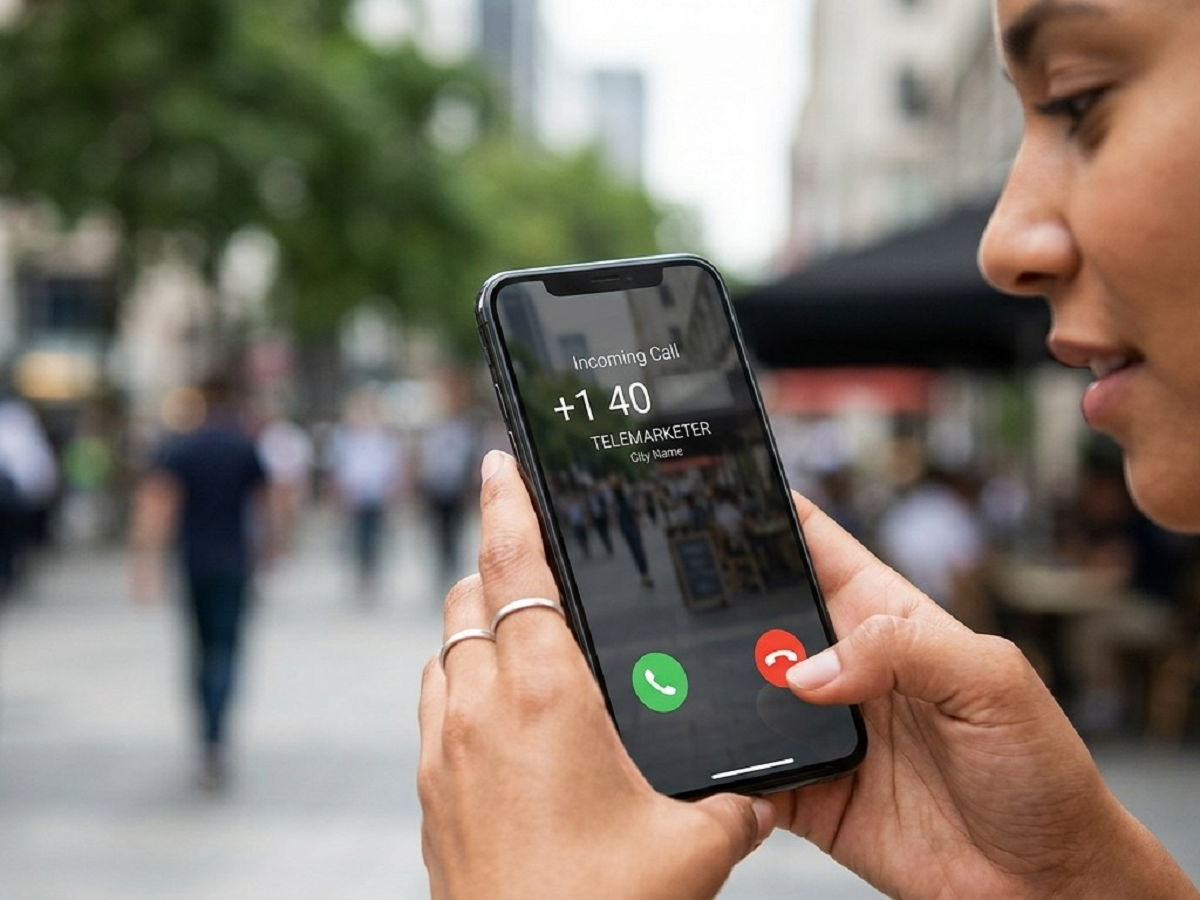
If you regularly receive calls from banks, delivery companies, insurance providers, electricity services or other businesses, a new telecom initiative could make it easier to identify genuine service-related calls.
The Telecom Regulatory Authority of India (TRAI) has started the phase-wise implementation of the 1601-series for service and transactional calls made by sectors such as utilities, courier companies and logistics providers. The move is aimed at helping consumers distinguish legitimate service calls from ordinary promotional or potentially suspicious calls.
What Is the 1601 Number Series?
The 1601-series is being introduced specifically for service and transactional communications.
These calls can include communications related to services that a customer has already requested or uses. For example, a person could receive a call connected with a delivery, utility service or another transaction.
The idea is to create a more recognisable numbering pattern for such calls instead of leaving consumers to guess whether an unfamiliar number is genuine.
Why Is This Important for Mobile Users?
Spam and fraudulent calls have become a major problem for mobile users. A person may receive several calls claiming to be from a courier company, electricity provider, bank or another service.
The new numbering framework can provide an additional clue about the nature of a call.
However, consumers should remember that seeing a particular number series alone should not be treated as absolute proof that a caller is genuine. Never share an OTP, PIN, password, card details or other sensitive information simply because the caller claims to represent a company.
Promotional Calls Are Different
It is also important to understand the difference between service calls and promotional calls.
A service or transactional call generally relates to something connected with an existing customer interaction. Promotional calls, on the other hand, are intended to advertise or sell a product or service.
The 1601-series initiative is specifically aimed at service and transactional communications in sectors covered by the rollout.
What Should You Do When You Receive an Unknown Call?
If someone calls claiming to represent a company, follow a few basic precautions:
-
Do not share OTPs or banking passwords over the phone.
-
Never provide your UPI PIN to a caller.
-
If the caller asks you to make an urgent payment, independently verify the request.
-
Do not install an unknown app at a caller's request.
-
If you are unsure, hang up and contact the company through its official website or app.
-
Be especially cautious about callers creating panic by claiming that your service will immediately be disconnected.
Don't Trust a Call Just Because It Looks Official
The new numbering system can make service calls easier to recognise, but basic digital safety remains important.
Fraudsters may attempt to imitate legitimate businesses or use convincing stories to obtain personal information. A genuine company representative should not need your OTP, UPI PIN or banking password to "verify" your account.
If a caller asks for sensitive financial information, stop the conversation and verify the matter independently.
What This Change Means for Consumers
The 1601-series rollout is part of a broader effort to make India's telecom environment more organised and consumer-friendly.
For ordinary users, the biggest benefit could be better identification of legitimate service and transactional calls. At the same time, consumers should continue following basic precautions instead of relying solely on the number displayed on their phone.
So, the next time you receive an unfamiliar service-related call, check the number carefully—but remember that your safest defence is still to verify the caller independently before sharing any personal or financial information.