BUSINESS
Government’s New GOBARdhan Scheme: Your Household Waste Could Soon Become Fuel—Know What This Means
What if agricultural waste, cattle dung and even kitchen waste could be turned into useful fuel instead of simply being thrown away? The government has now taken a major step in that direction by approving GOBARdhan, the National Circular Bioenergy Scheme, with a total outlay of ₹23,731 crore.
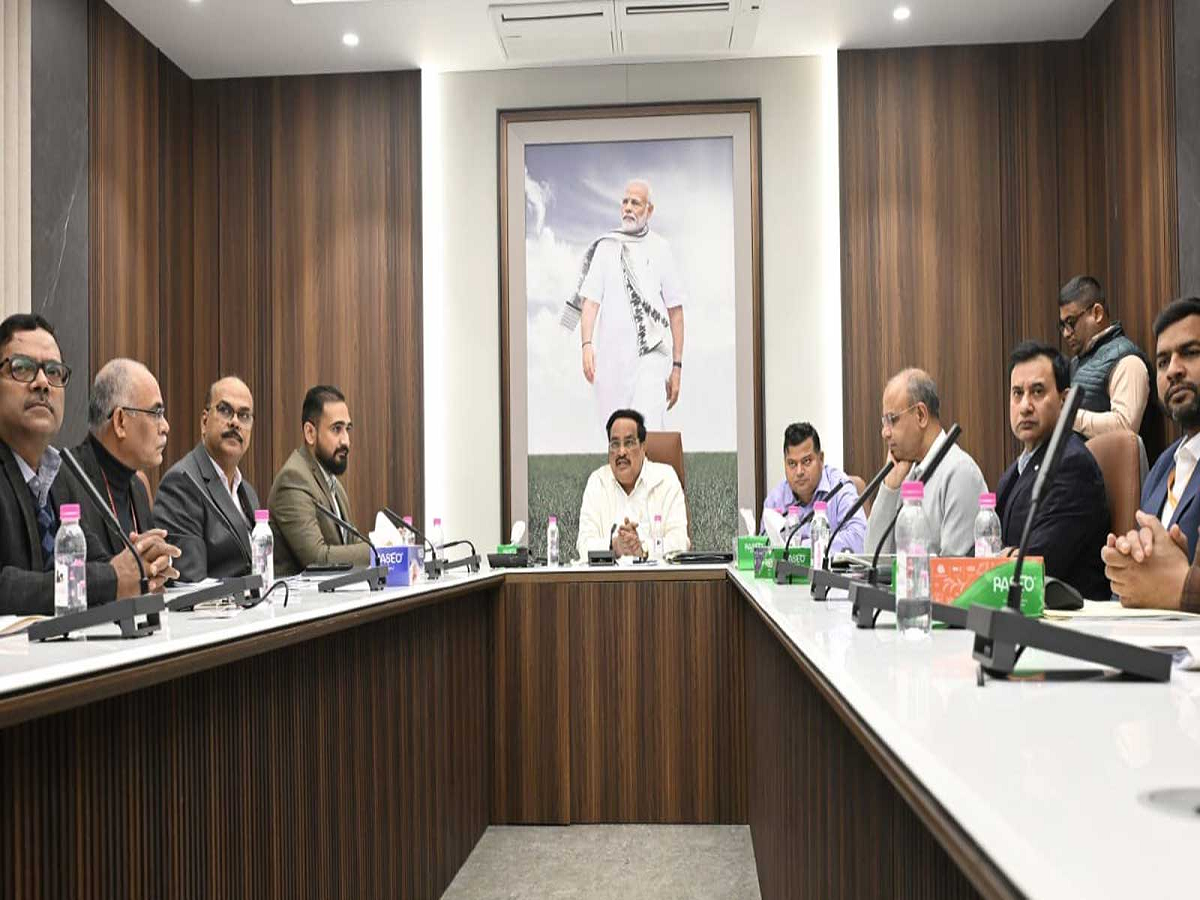
Approved by the Union Cabinet on August 6, 2026, the scheme aims to significantly expand India's compressed biogas (CBG) industry and turn organic waste into a source of clean energy.
What Is the GOBARdhan Scheme?
GOBARdhan stands for Galvanizing Organic Bio-Agro Resources Dhan. The initiative focuses on collecting organic waste such as cattle dung, crop residue, kitchen waste and market waste and processing it into biogas, compressed biogas and organic manure.
The programme was originally launched in 2018 under the Swachh Bharat Mission (Grameen). The government has now brought the broader CBG ecosystem under one integrated national framework administered by the Ministry of Petroleum and Natural Gas.
Why Is the Government Focusing on CBG?
India imports a significant portion of its natural gas requirements. The government wants to increase domestic production of cleaner alternatives and reduce dependence on imported fuel.
Compressed biogas can be used in applications similar to conventional natural gas. According to the government, the new scheme is designed to help increase domestic CBG production nearly tenfold over the coming years.
What Happens to the Waste?
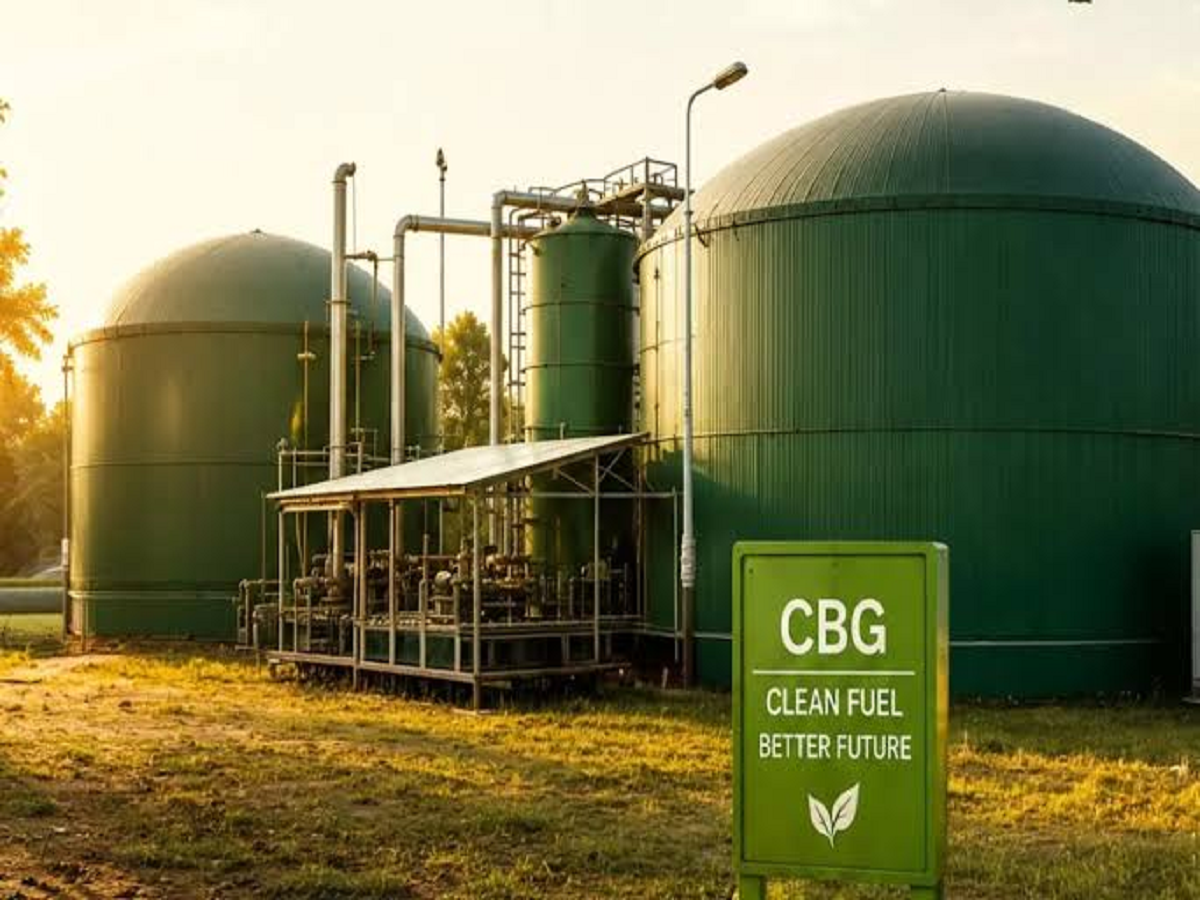
Under the CBG process, organic waste is collected and processed in specialised plants.
The process can produce compressed biogas, which can be used as a fuel, while the remaining material can be processed into organic manure.
This creates a circular system in which waste from farms, cattle and households can potentially become both an energy resource and an agricultural input.
What Does It Mean for Farmers?
The scheme could create new opportunities for farmers and rural entrepreneurs.
Agricultural residue and cattle dung can become commercially useful feedstock for CBG plants. The government also expects the programme to generate employment around activities such as waste collection, transportation, plant operations and manure production.
This means organic waste that previously had little economic value could become part of a local energy economy.
Government Will Support CBG Producers
The new framework includes several measures intended to encourage investment in the sector.
These include assured demand, a stable pricing framework, capital assistance, pipeline infrastructure, credit support and technology development. The scheme will operate from FY 2026-27 to FY 2035-36.
The government has also introduced an administered CBG price of ₹2,110 per MMBTU, equivalent to ₹105 per kilogram, with a minimum 10-year framework intended to provide greater revenue visibility to producers.
Could This Affect Ordinary Consumers?
The scheme does not mean that households will immediately receive cheaper cooking gas or fuel.
Its impact is expected to develop gradually as more CBG plants are established and production increases. If domestic renewable gas becomes a larger part of India's energy mix, it could help diversify the country's fuel supply and reduce reliance on imported natural gas.
For consumers, the bigger benefit could therefore come over the longer term through a more diversified and domestically produced energy system.
India's Waste Could Become an Energy Resource
The government says the scheme is designed to create a nationwide circular bioeconomy in which waste becomes a resource rather than simply something that needs to be disposed of.
With ₹23,731 crore earmarked for the programme and a goal of expanding CBG production substantially, GOBARdhan could change how India looks at agricultural and organic waste.
Instead of seeing cattle dung, crop residue and food waste only as disposal problems, the new approach treats them as potential sources of fuel, employment and additional economic value.