For years, wearable technology followed one basic idea: put a smaller smartphone screen on your wrist. Smartwatches became increasingly capable, offering notifications, calls, apps, health tracking and even mobile payments.
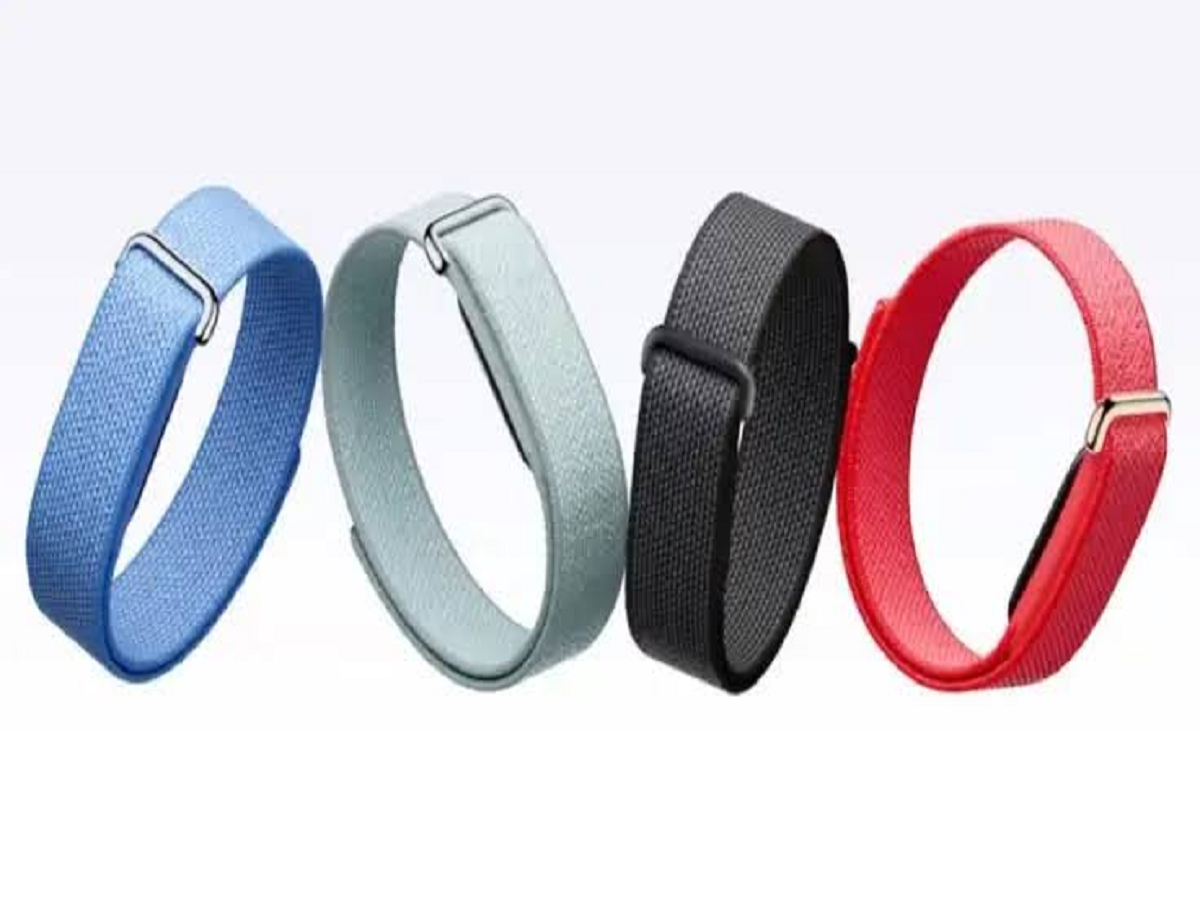
But a surprising trend is now emerging. Some of the newest wearables are deliberately getting rid of screens altogether.
Why are people moving away from screens?
The answer is simple: digital fatigue.
Constant notifications, messages and app alerts can make smartwatches feel like another source of distraction. A new category of screen-free wearables is instead designed to collect information quietly in the background.
These devices can track activity and other health-related data without constantly asking users to look at a display. The trend is gaining attention in 2026 as companies experiment with simpler wearables focused on health and wellness rather than notifications.
What can a screen-free wearable do?
A screen-free device can still contain sensors capable of tracking things such as:
- Daily activity
- Exercise and movement
- Sleep patterns
- Heart-rate-related metrics
- Recovery and wellness information
The collected data can then be viewed through a smartphone app.
This means the wearable itself doesn't need to display dozens of numbers. Instead, the phone can analyse the information and present a broader picture of the user's activity.
AI is making these devices more useful
Artificial intelligence is adding another layer to wearable technology.
Rather than simply showing a heart-rate graph or a sleep score, AI can potentially analyse multiple measurements and turn them into easier-to-understand insights.
This is an important change because many users don't necessarily know what to do with raw health data. AI can help turn large amounts of information into summaries and patterns.
Smart glasses are taking a different approach
While some wearables are removing screens, another category is putting technology directly in front of your eyes.
Samsung has described its new intelligent eyewear as an early step toward making AI glasses a future interface for mobile AI.
This could eventually allow people to interact with AI through cameras, microphones and voice commands without reaching for a smartphone.
Privacy could become the biggest issue
Screen-free trackers are relatively passive, but AI-powered wearables can raise more complicated privacy questions.
Devices with microphones and cameras can potentially collect information about the people and places around the wearer. This has already prompted privacy discussions around smart AI glasses, with organisers of Burning Man 2026 asking users to respect boundaries and obtain consent before recording others.
As wearable devices become more capable, users will need to understand what sensors are active, what information is collected and where that data goes.
Will screen-free devices replace smartwatches?
Not necessarily.
Smartwatches remain useful for people who want notifications, navigation, calls and information directly on their wrist. Screen-free wearables are instead targeting people who want health tracking without another screen demanding their attention.
That makes the trend particularly interesting.
The future of wearable technology may not simply involve making screens smaller, brighter or more advanced. It could also involve deciding when a screen isn't needed at all.
The next generation of wearables may therefore follow a completely different philosophy: collect useful information quietly, let AI make sense of it, and allow the user to stay focused on the real world.