BUSINESS
Government Launches New Digital Water Data Policy: What It Means for Rural Households and Water Services
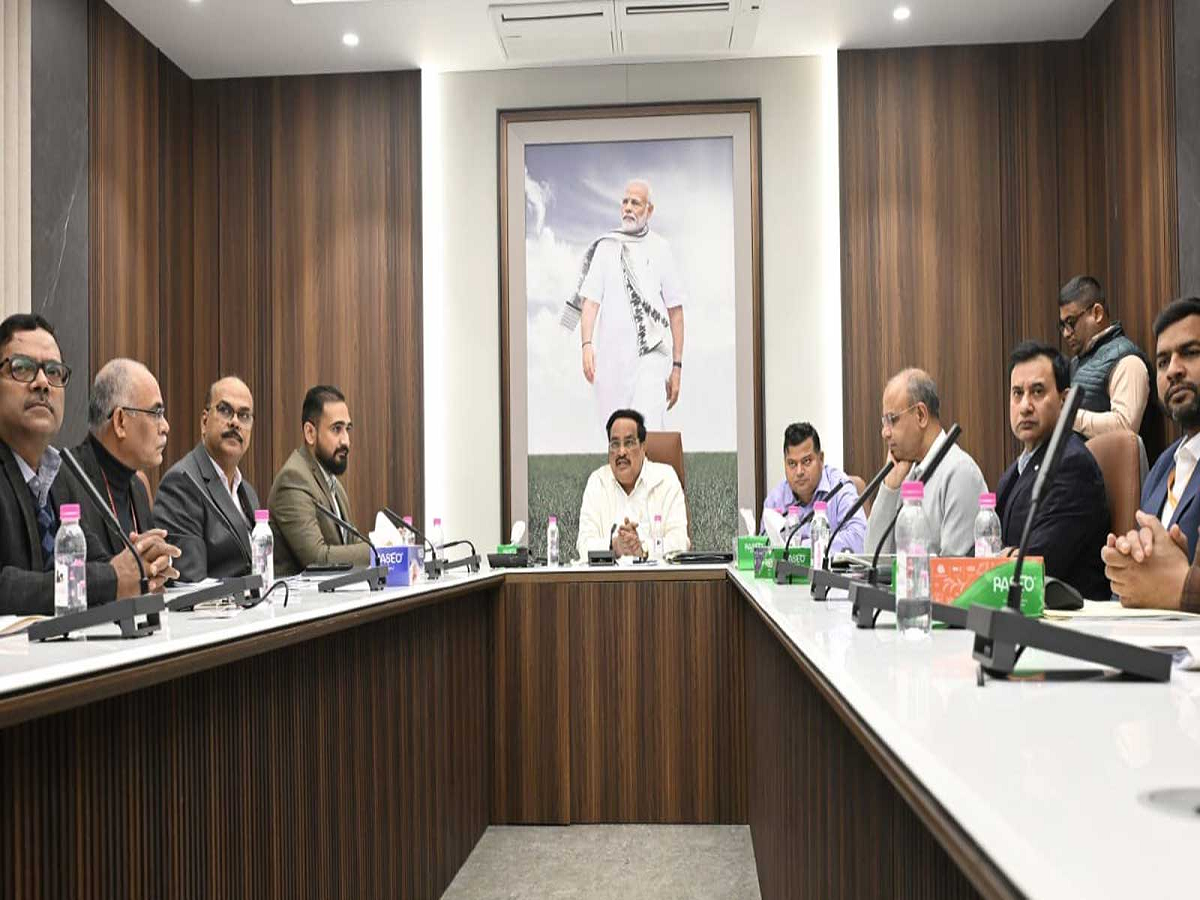
The government has introduced a new digital policy aimed at making rural drinking-water services more transparent, accountable and better managed. The Ministry of Jal Shakti has released the Policy on Data Sharing, Interoperability and Stakeholder Access under the Sujalam Bharat Digital Public Infrastructure.
The policy, announced on August 20, 2026, focuses on how drinking-water-related information can be securely shared between states, local authorities and approved stakeholders.
Why Has the Government Introduced This Policy?
Providing a water connection is only one part of ensuring reliable drinking-water services. Authorities also need to monitor whether infrastructure is functioning properly, whether water sources remain sustainable and whether services continue to reach households.
The new framework is designed to improve the way rural drinking-water information is collected, managed and shared. It aims to move the focus from simply creating infrastructure towards ensuring that water services remain reliable over time.
What Will the Digital System Track?
The framework covers areas such as water infrastructure management, sustainability of water sources and service delivery.
This can help authorities maintain a clearer picture of rural water infrastructure and identify areas where attention or intervention may be required.
The policy also establishes a framework for sharing relevant information between states, Union Territories, local governance institutions and approved stakeholders.
How Can This Help Ordinary Citizens?
For rural households, the biggest potential benefit is better monitoring of drinking-water services.
If water infrastructure stops functioning properly or a local source faces sustainability problems, better data can help authorities identify issues and make decisions based on evidence.
The government says the framework is intended to strengthen citizen-centric accountability, meaning the focus is not only on infrastructure but also on whether people actually receive dependable services.
Data Sharing Will Follow a Structured Framework
The new policy is not simply about putting water-related information online. It establishes rules for secure and accountable data sharing.
This is important because drinking-water information can involve multiple government departments and local institutions. A common framework can make it easier for different agencies to work with compatible information instead of maintaining disconnected systems.
Rural Water Management Is Becoming More Digital
The latest policy is another example of the government's broader push towards digital public infrastructure.
The government has also been expanding platforms such as UMANG and DigiLocker. As of July 31, 2026, UMANG offered around 2,575 government services, while DigiLocker provided access to more than 5,400 document types and services.
The Sujalam Bharat initiative takes a similar digital approach to the rural drinking-water sector, with the aim of making service management more systematic and accountable.
What Should Citizens Know?
There is no indication that ordinary households need to submit a new application simply because this policy has been introduced.
Instead, the major change is at the government and service-management level. The new framework is intended to help authorities use reliable, interoperable data to monitor rural drinking-water infrastructure and improve service delivery.
For citizens, the practical takeaway is simple: if your local drinking-water service faces recurring problems, digital monitoring and better coordination between authorities could make it easier for such issues to be identified and addressed in the future.