Anxiety has gripped Bangladesh cricket amid growing uncertainty over the high-profile India–Pakistan clash in the 2026 T20 World Cup, with senior officials of the Bangladesh Cricket Board (BCB) warning of serious financial consequences if the match does not take place.
Bangladesh, which Pakistan has recently sought to align with on geopolitical grounds, now finds itself worried about the fallout of Pakistan’s decision to boycott the fixture against India. According to a senior BCB official, the cancellation of the marquee match would not only impact the International Cricket Council (ICC) but also significantly hurt smaller and mid-tier cricket boards, including Bangladesh.
“Everyone Will Suffer Financially”
Speaking to leading Bangladeshi daily Pratham Alo, the BCB official said that an India–Pakistan match is central to the ICC’s revenue model. “If the India–Pakistan match does not take place, the entire cricketing world will suffer financial losses. Bangladesh will also be affected, and our share of revenue will decrease. We do not want such losses,” the official stated.
He further explained that the absence of the match would directly impact the ICC’s central revenue pool, of which Bangladesh is a stakeholder. “If smaller boards like Kenya or Uganda receive even USD 100,000 or 200,000, it is significant for them. But if the ICC’s overall revenue declines, how will boards like Bangladesh manage?” he added.
ICC Decision Adds to Bangladesh’s Worries
Bangladesh’s concerns have intensified following reports that the ICC took a strict stance after the Bangladesh Cricket Board declined to play the T20 World Cup in India, leading to their reported exclusion from the tournament. Scotland has been allotted Bangladesh’s spot, further compounding uncertainty around the board’s financial future.
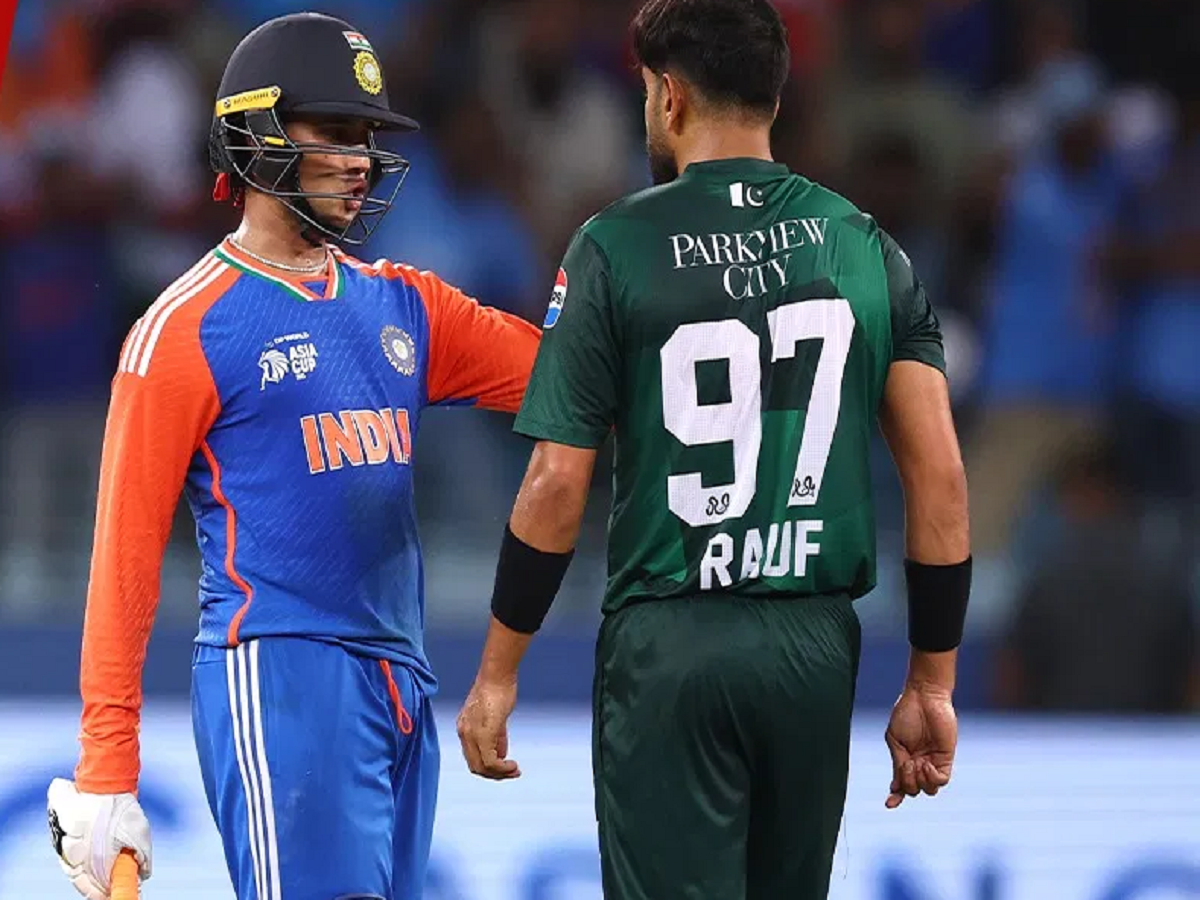
Meanwhile, the Pakistan Cricket Board (PCB) has remained firm on its position. The issue escalated after the PCB raised the matter at the highest political level, with Pakistan Prime Minister Shehbaz Sharif publicly announcing that Pakistan will not play the scheduled match against India on February 15.
Uncertain Road Ahead
If the India–Pakistan fixture is eventually called off, the ICC is expected to take a significant financial hit. However, cricket administrators believe that the ripple effects will be felt most acutely by boards like Bangladesh, which rely heavily on ICC distributions. As the standoff continues, the future implications for Pakistan, Bangladesh, and global cricket governance remain uncertain.