NATIONAL
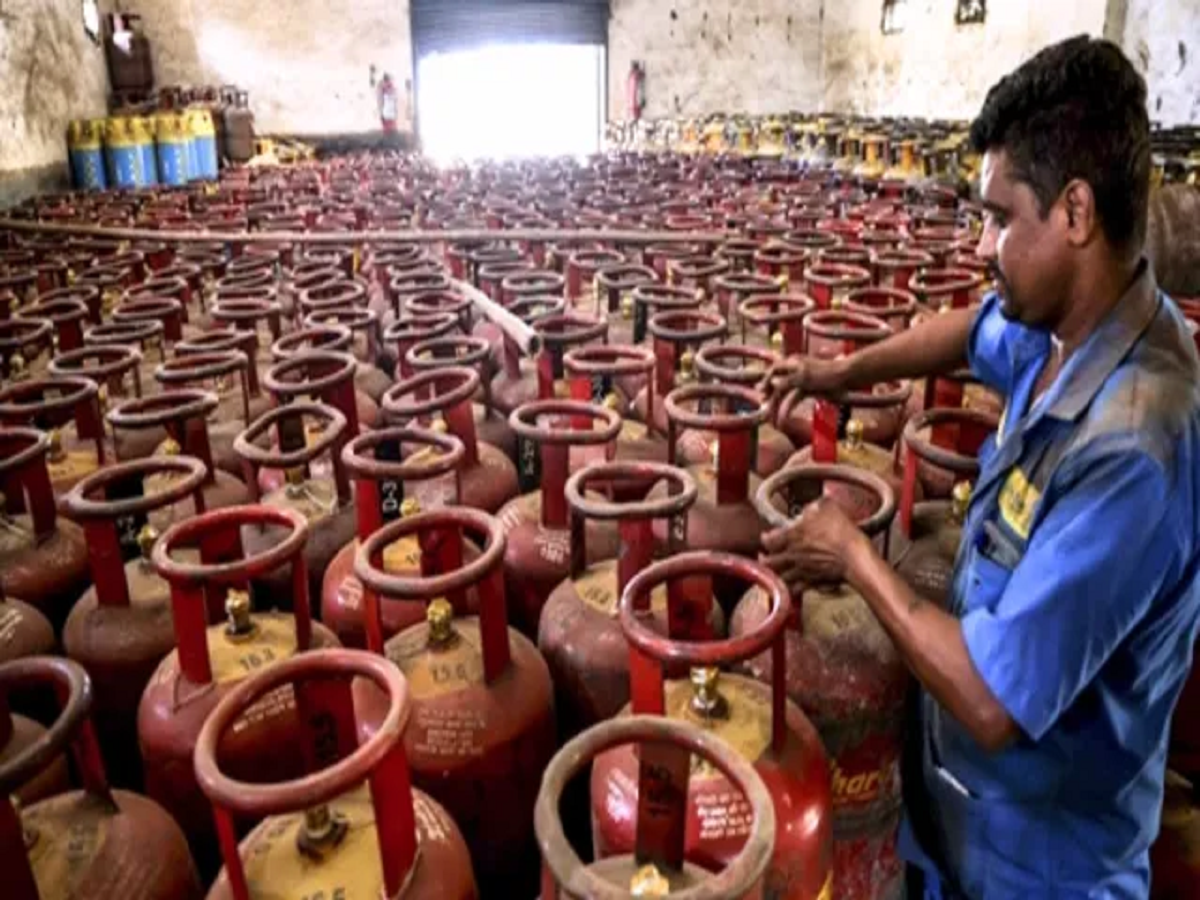
There is no shortage of cooking gas, LPG will be delivered within two and a half days; the Centre has also made special plan for the states
Amidst rising tensions in West Asia and reports of cooking gas shortages in some parts of the country, the central government has taken precautionary measures to ensure energy supply. The Ministry of Petroleum and Natural Gas has ordered the release of an additional 48,000 kilolitres of kerosene to the states.
Usually, government oil companies release a quota of about one lakh kilolitres of kerosene to the states every quarter, but this additional allocation has been made in view of the current situation.
Also, the Coal Ministry has directed the state-owned companies Coal India and Singareni Collieries Company to provide additional coal to the states as per their requirement so that coal can be supplied as fuel to non-domestic consumers like hotels, restaurants etc.
There is no shortage of petroleum products.
Petroleum and Natural Gas Minister Hardeep Singh Puri provided this information in Parliament while outlining the government's steps to address disruptions to global energy supplies due to the West Asia crisis. Petroleum Minister Puri stated in Parliament that there is no shortage of petroleum products in the country and the supply system is functioning normally.
He assured that there is no shortage of petrol, diesel, kerosene, ATF, and fuel oil. Adequate stocks are available at retail outlets across the country, and the supply chain for these products is operating normally. Additional kerosene has also been released to states under the PDS.
Reduced pressure on fuels
Later, the Petroleum Ministry separately announced the above steps. Sujata Sharma, Joint Secretary of the Ministry, told a press conference that the Union Ministry of Forests and Environment has also asked state pollution control boards to allow the use of coal, biomass, and kerosene as fuel in non-residential areas, if needed.
This will reduce pressure on gas and other fuels by increasing the use of alternative energy sources. Currently, the use of coal and biomass is generally restricted due to pollution regulations.
LNG cargoes arriving daily
Puri stated that the government has diverted gas supplies to priority sectors and ensured supplies from alternative sources. He said, "There has been a controlled reduction in gas consumption at refineries and petrochemical units to ensure gas is available to priority sectors. Large LNG cargoes are arriving almost daily through alternative routes, ensuring gas supply is maintained even in the event of a potential prolonged conflict."
He stated that the government's top priority is ensuring uninterrupted fuel supply to the kitchens of over 330 million households in the country. The average time from booking to delivery of a domestic LPG cylinder remains unchanged at 2.5 days. Uninterrupted LPG supply has been ensured to hospitals and educational institutions.
Meeting of senior officials of oil companies
The Petroleum Minister also stated that senior officials from oil companies met with state administrations on March 11 to discuss the supply situation and prioritization arrangements. Coordination has been established with the Chief Secretaries and senior officials of several states, including Maharashtra, Gujarat, Uttar Pradesh, Bihar, West Bengal, Karnataka, and Tamil Nadu.
Puri said monitoring committees are being formed at the district level and raids have been conducted in several states to curb fuel black marketing. This is a national challenge and is being addressed in collaboration with the states in the spirit of "cooperative federalism."
PC:Jagran