LIFESTYLE
PAN requirement is no longer required for bank transactions of this amount; learn about the new draft rules
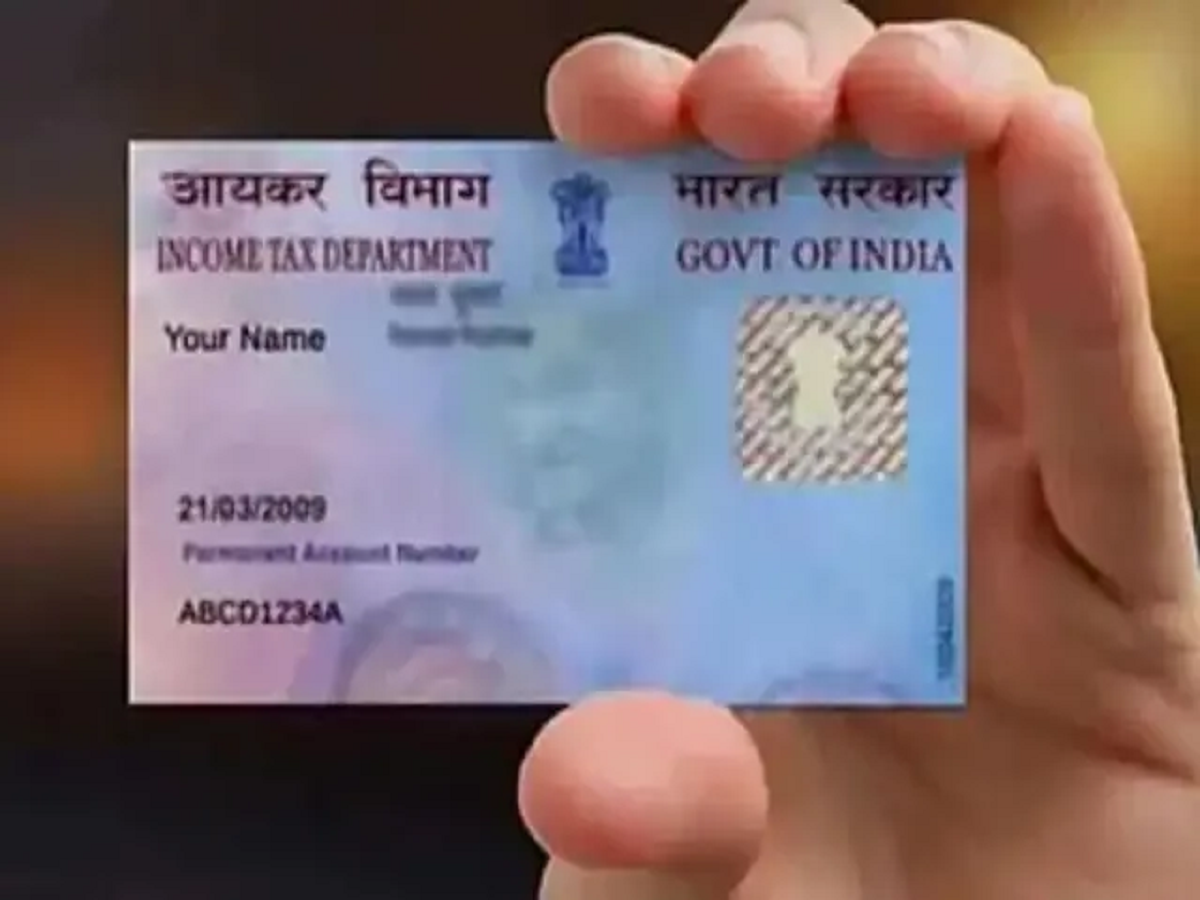
PAN Card: The new draft Income Tax Rules for 2026 are set to bring significant relief to the general public. The hassle of repeatedly presenting your PAN card for bank transactions up to ₹10 lakh, property purchases worth ₹20 lakh, and cars worth ₹5 lakh will be eliminated. The government aims to simplify banking and shopping by removing complex old rules.
PAN Card: The central government is preparing to abolish old income tax laws and introduce a new and easier system for the public. The Finance Ministry has presented a new draft of the Income Tax Rules 2026. The biggest benefit of this new change will be that the general public will be relieved of the hassle of repeatedly presenting their PAN card for everyday banking and shopping.
Cash transaction limit in banks increased
Currently, a PAN card is required for cash deposits exceeding ₹50,000 in a single day. Under the new rules, the daily limit will be replaced by an annual limit. A PAN card will not be required unless the total annual transactions (deposits and withdrawals) from a bank account exceed ₹10 lakh.
Big discounts on cheap cars and properties
The government has also proposed significantly simplifying purchasing rules. A PAN card will no longer be required for any vehicle purchase up to ₹5 lakh (approximately $1.5 million USD). Previously, this was mandatory for every vehicle purchase. Real estate transactions up to ₹20 lakh (approximately $1.5 million USD USD) can now be completed without a PAN card. Currently, this limit is only ₹10 lakh (approximately $1.5 million USD USD).
Relief in hotel and wedding expenses
To boost the hospitality sector, the government has also revised the billing limits. Hotel, restaurant, or event management bills up to ₹1 lakh will no longer require a PAN card. Currently, this limit is only ₹50,000.
New rules may come into effect from next year
This new draft will replace the old Income Tax Rules of 1962. It is expected that after taking public and expert opinion, the government will finalize it by March 2026, and it will become effective nationwide from April 1, 2026.