
How many days late is normal for periods, and when should you consult a doctor? Whenever your period doesn't arrive on time, this question inevitably comes to mind for us girls. Let's ask a doctor for the answer.
Periods are a normal monthly process in women. They are crucial for their fertility and overall health. A menstrual cycle typically lasts between 21 and 35 days, and a 28-day cycle is considered healthy for most women. However, every woman's body is different, and therefore, it's not necessary for everyone to have a 28-day cycle. Sometimes, a few days delay in their periods is considered completely normal. Often, when periods are delayed, women wonder how many days is normal, when they should see a doctor, or if a delay in their periods indicates a problem. Let's find out the answer from a doctor. This information is provided by Dr. Sonu Khokhar, MBBS, Health and Wellness Expert.
How many days late is it normal for periods to be?
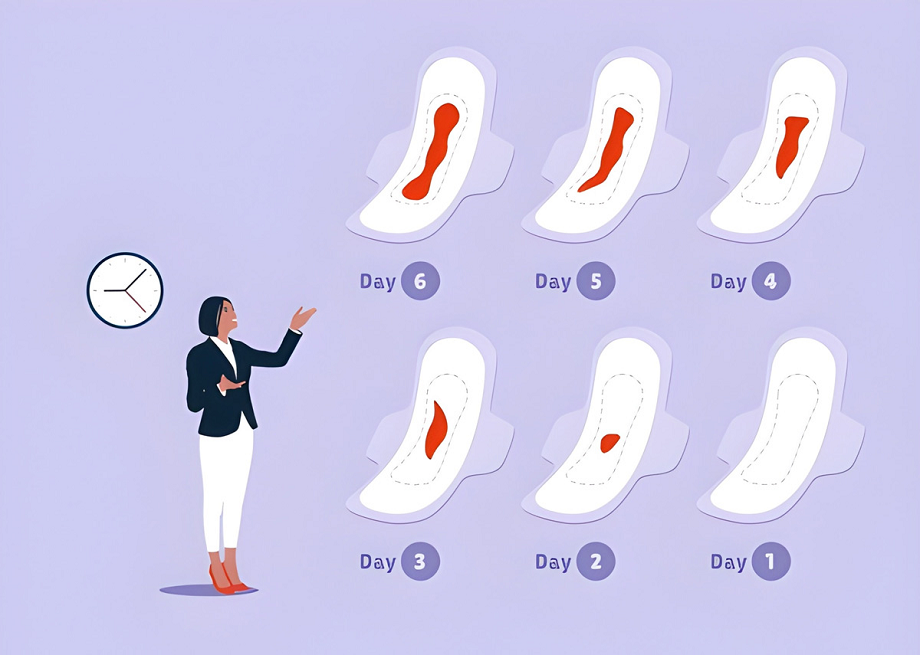
- According to doctors, if your period is delayed by 2 to 5 days, it's normal. There's no need to worry about it.
- Sometimes the cycle can get a little disturbed due to hormonal changes, stress, travel, and change in eating habits or lack of sleep.
- Even if the periods are delayed by 7 days, there is no need to panic, but if this is happening every month or there is a delay of more than 10 days, then it becomes necessary to consult a doctor.
- There can be many reasons behind delayed periods. Excessive stress is a major one. When we are under a lot of stress, the stress hormone cortisol increases, which affects ovulation. Additionally, conditions like thyroid problems or PCOS (polycystic ovary syndrome) can also cause irregular cycles.
- Taking any kind of pills or changing your diet can also delay your periods.

- If your periods are delayed by more than 10-15 days, you miss your periods for 2-3 months in a row, or you experience severe pain or abnormal bleeding during these days, you should definitely consult a doctor.
- Additionally, if your cycle suddenly changes completely, consult your doctor. Your doctor may recommend a blood test, ultrasound, or hormonal testing if necessary.
- To regulate the cycle, get 7-8 hours of sleep daily, eat a healthy diet and stay away from stress.
Image Credit: Freepik