NATIONAL
Development and Environment Must Go Together: Supreme Court Allows Tree Felling in Ahmedabad
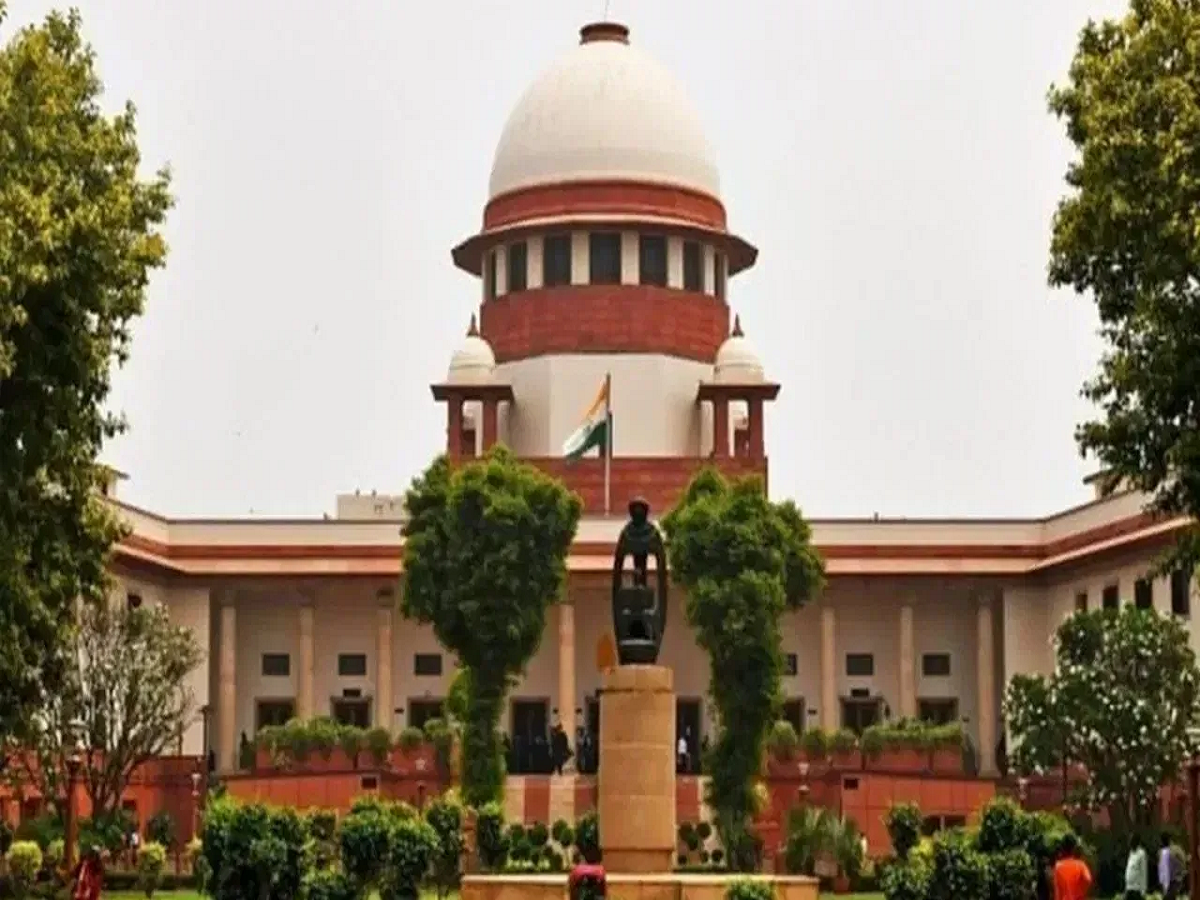
The Supreme Court has declined to intervene in a petition seeking a halt to large-scale tree felling for a development project near Hansol village in Ahmedabad. The plea challenged the cutting of trees for the second phase of the project, but the court allowed the work to continue.
While delivering its decision, the court emphasized that development and environmental protection must progress together. The Chief Justice of India observed that the trees being cut were largely wild in nature and could be regenerated without significant difficulty.
What the Supreme Court Said
Refusing to stop the tree felling, the Supreme Court stated that it did not find sufficient grounds to interfere with the project. The bench noted that balancing infrastructure development with environmental concerns is essential and that regeneration of the affected trees would be possible.
Details of the Petition
The petition was filed by a resident of Hansol village, who alleged that around 4,000 mature trees had already been cut. According to the plea, a forest area planted nearly 50–60 years ago was being destroyed for the project.
The petitioner also argued that authorities failed to explore alternative options and highlighted that mature trees cannot be replaced easily, as it takes decades for them to grow. Questions were raised over whether proper procedures were followed and whether tree cutting could be permitted based solely on a notification issued to farmers.
Court’s Stand
Despite these concerns, the Supreme Court refused to intervene and effectively gave a green signal for the continuation of tree felling for the project’s second phase.
The ruling once again brings into focus the ongoing debate between infrastructure development and environmental conservation, with the court reiterating the need for a balanced approach.