The ongoing military conflict with Iran is no longer limited to West Asian geopolitics, but is also affecting US domestic politics and the potential outcome of the 2028 presidential election.
While President Donald Trump faces the challenge of saving his political legacy by controlling the war, discussions have also intensified in the Republican camp regarding his possible successor.
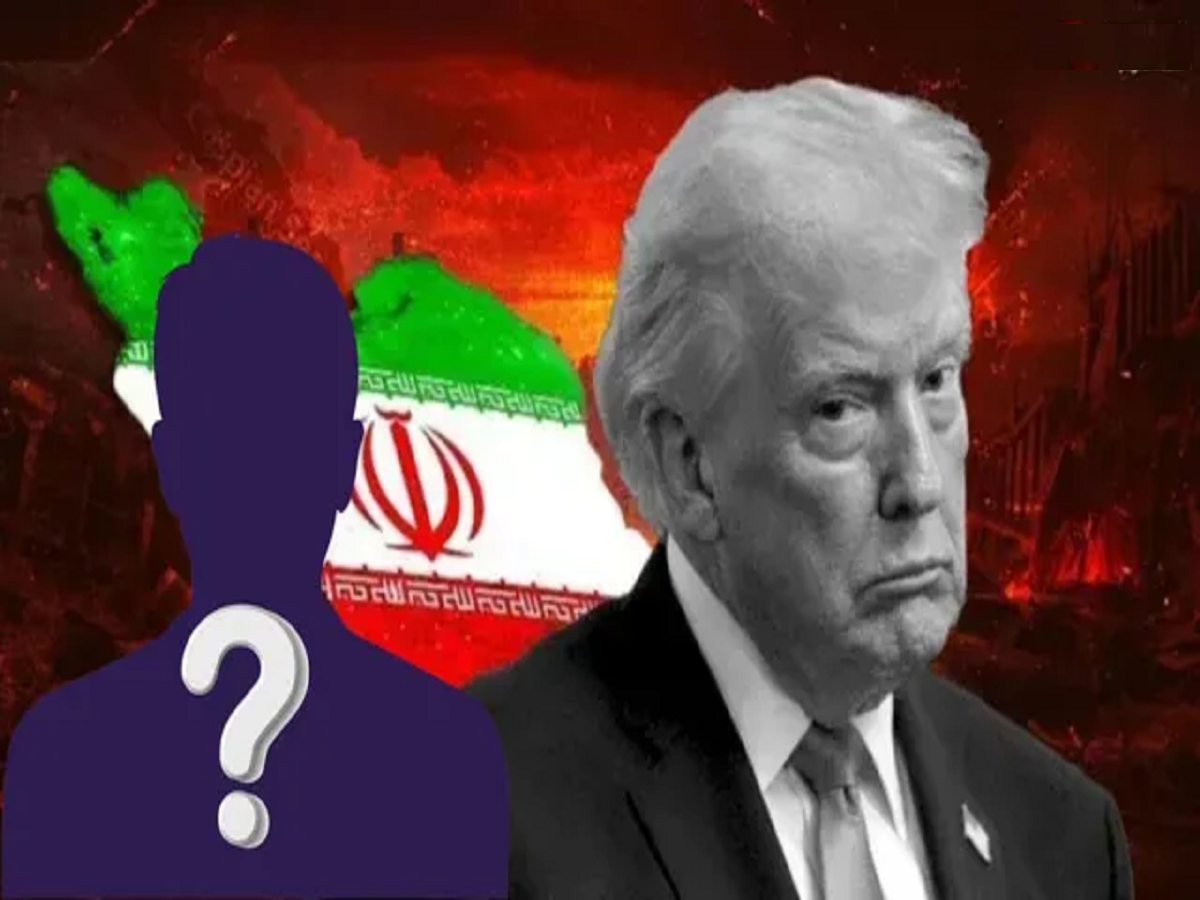
The most frequent question in the corridors of power is who Trump will put forward as his next contender between J.D. Vance and Marco Rubio. Trump is asking this question to his aides and advisers in private meetings.
Since he cannot run for re-election in 2028 under the US Constitution, the question of succession within the Republican Party is already taking shape. The Iran war has further intensified this debate, as both Vance and Rubio have brought different political styles to the table in managing the crisis.
Vance's restrained and cautious approach
J.D. Vance has taken a relatively restrained and cautious stance on the Iran war. A former Marine officer and Iraq War veteran, Vance has long been a critic of America's protracted foreign military entanglements.
However, standing with Trump in the Oval Office, he also said that he is with the President's strategy and Iran should not be allowed to acquire nuclear weapons.
Rubio's aggressive style is like Trump's.
In contrast, Marco Rubio has openly supported Trump's aggressive policies. As Secretary of State, his role has expanded in national security matters. Within the White House, he is seen as a stable and decisive figure during crises.
Analysts estimate that if the war ends quickly in American interests, Rubio could benefit.
Trump's approval rating at an all-time low
The Iran war has put pressure on Trump's popularity. A four-day Reuters/Ipsos poll showed Trump's approval rating falling to 36 percent, the lowest level yet in his second term. This is largely attributed to rising fuel prices and growing public disapproval of the war.
However, support for US strikes remains strong among Republican voters – about 75 percent favor military action, while support is much lower among Democratic voters.
Republican strategists believe that if the conflict drags on and direct US troop involvement increases, Vance will be able to assert that he has already understood the sentiment of the party's anti-war wing. If Iran succumbs to military pressure, Rubio will emerge as Trump's most trusted crisis manager.
Rubio's popularity has risen sharply.
Vance had a clear lead in the recent Conservative Political Action Conference (CPAC) straw poll. Fifty-three percent of the more than 1,600 participants favored him as the next Republican presidential nominee, while Rubio came in second with 35 percent support. Rubio received only three percent support last year, suggesting a sharp increase in his political acceptance.
(With inputs from news agency Reuters)
PC:Jagran