INTERNATIONAL
‘Nuclear Jacket’ Threat: Why Claims About Iran’s Potential Weapon Are Raising Alarm in the US
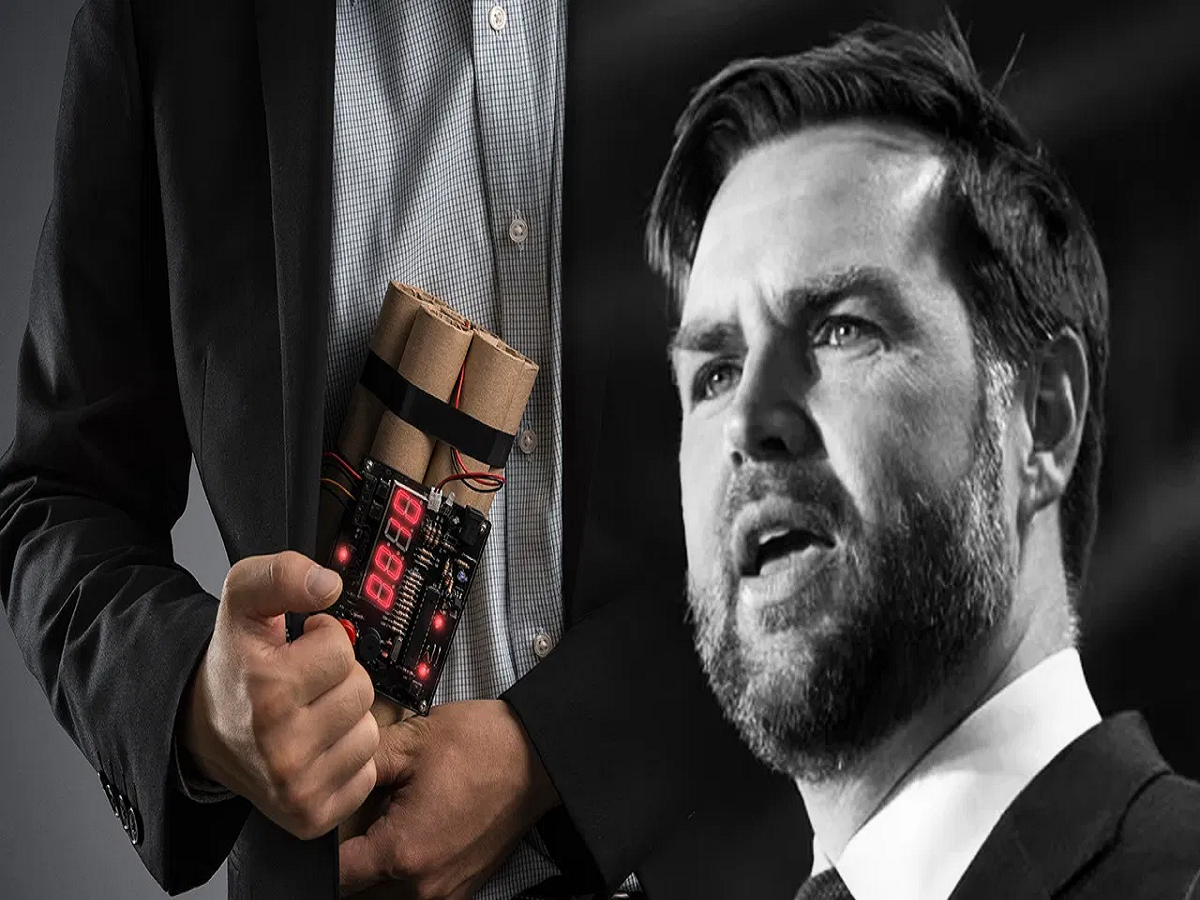
Amid rising geopolitical tensions, fresh concerns have emerged over the possibility of Iran developing unconventional nuclear delivery methods, including what some reports describe as a “jacketed” or portable nuclear device. The issue gained attention after remarks attributed to US Vice President J.D. Vance, who warned of evolving threats in modern warfare.
However, experts caution that such claims remain speculative and should be viewed carefully, as there is no verified evidence that Iran has developed or is close to developing a wearable or “suicide-style” nuclear device.
What Is the Concern?
The term “nuclear jacket” is not a standard or recognized category in nuclear weapons science. It appears to refer to the hypothetical idea of a compact nuclear device that could be carried by an individual. While smaller nuclear weapons have been developed historically, they still require complex engineering, safeguards, and delivery systems.
Iran’s Nuclear Capability
According to international assessments, Iran has enriched uranium up to levels below weapons-grade, though concerns remain about its potential to enrich further. Weapons-grade uranium typically requires enrichment levels of around 90%. Iran is also a signatory to the Nuclear Non-Proliferation Treaty (NPT), though tensions over compliance and monitoring have persisted.
Why Such Claims Cause Concern
Even hypothetical scenarios involving compact nuclear devices raise alarm for several reasons:
- Non-traditional Delivery Methods: Unlike missiles or aircraft, a portable device—if it existed—could bypass conventional defence systems.
- Security Challenges: Preventing smuggling or unauthorized movement of such devices would be extremely difficult.
- Psychological Impact: Even a small-scale nuclear incident could trigger widespread panic and global instability.
Reality Check
Security analysts emphasize that building a functional nuclear weapon—especially one small enough to be carried by an individual—is extraordinarily difficult. It involves advanced technology, precise engineering, and rigorous testing. There is currently no credible public evidence that Iran possesses such a capability.
Conclusion
While concerns about nuclear proliferation remain serious, claims about “jacketed nuclear bombs” should be approached with caution. The broader issue continues to be monitoring nuclear programs, maintaining international agreements, and preventing escalation through diplomacy and verification mechanisms.