INTERNATIONAL
Strategic Shield: UAE Fast-Tracks Fujairah Pipeline to Bypass Blockaded Strait of Hormuz
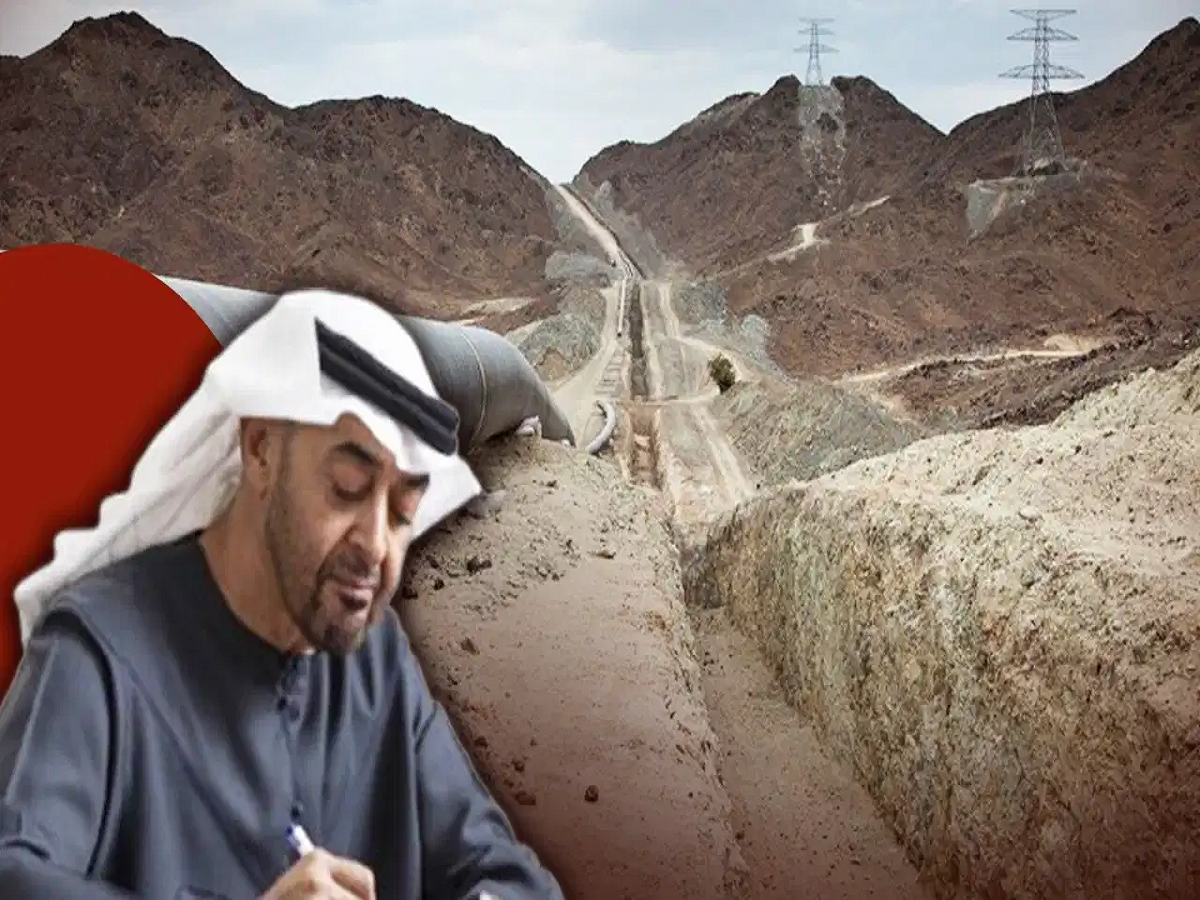
In a high-stakes move to secure global energy supplies, the United Arab Emirates (UAE) has launched an emergency "war footing" construction project for a massive oil pipeline. This strategic infrastructure is designed to bypass the Strait of Hormuz, which has been closed since March 6, 2026, creating a bottleneck that has crippled regional maritime trade.
The announcement coincided with Indian Prime Minister Narendra Modi’s visit to the UAE, where energy security and the restoration of international shipping lanes topped the diplomatic agenda.
The "Hormuz Bypass" Plan
Under the direction of Crown Prince Khalid bin Mohammed bin Zayed Al Nahyan, the Abu Dhabi National Oil Company (ADNOC) is accelerating the development of a pipeline stretching from Abu Dhabi directly to the port of Fujairah on the Gulf of Oman.
-
Goal: To transport crude oil directly to the open sea, completely avoiding the Iranian-controlled Strait.
-
Timeline: The UAE aims to have the system fully operational by 2027.
-
Capacity: Once finished, the UAE’s export capacity via Fujairah is expected to double, providing a vital lifeline for global markets.
Survival via the Desert: The Land Bridge
With the sea lanes blocked, the UAE has had to resort to unconventional methods to keep its economy moving. In collaboration with Oman and Saudi Arabia, the UAE has established a massive overland logistics network.
-
The Route: Goods are loaded onto trucks and transported via the Oman Interlink Road to Saudi ports.
-
The Scale: Currently, an average of 3,500 trucks traverse this desert route daily to maintain the flow of essential goods.
Geopolitical Tensions & OPEC Exit
The closure of the Strait has placed the UAE in a "dire situation," prompting a radical shift in its global energy policy:
-
OPEC Withdrawal: To gain total control over its exports and revenue, the UAE has officially withdrawn from OPEC and OPEC+.
-
Production Surge: Free from cartel quotas, the UAE is targeting a production goal of 5 million barrels of crude oil per day by 2027.
-
Conflict Fallout: Ongoing regional tensions with Iran have made the secure opening of the Persian Gulf a matter of national survival for the Emirates.
The Modi-MBZ Summit
During his meeting with Sheikh Mohammed bin Zayed (MBZ), PM Modi emphasized that the "safe and open" status of the Strait of Hormuz is non-negotiable for global economic stability.
-
International Law: Modi called for operations in the Gulf to be conducted strictly according to international maritime laws.
-
Indian Interests: Since the conflict began, roughly 15 Indian vessels have navigated these high-risk waters, highlighting India’s significant stake in the region's peace.
The Bottom Line
The UAE's massive investment in the Fujairah pipeline represents a permanent shift in Middle Eastern geopolitics. By moving its primary export point outside the Persian Gulf, the UAE is effectively "future-proofing" its economy against regional blockades and ensuring that oil can flow to the world regardless of the status of the Strait of Hormuz.