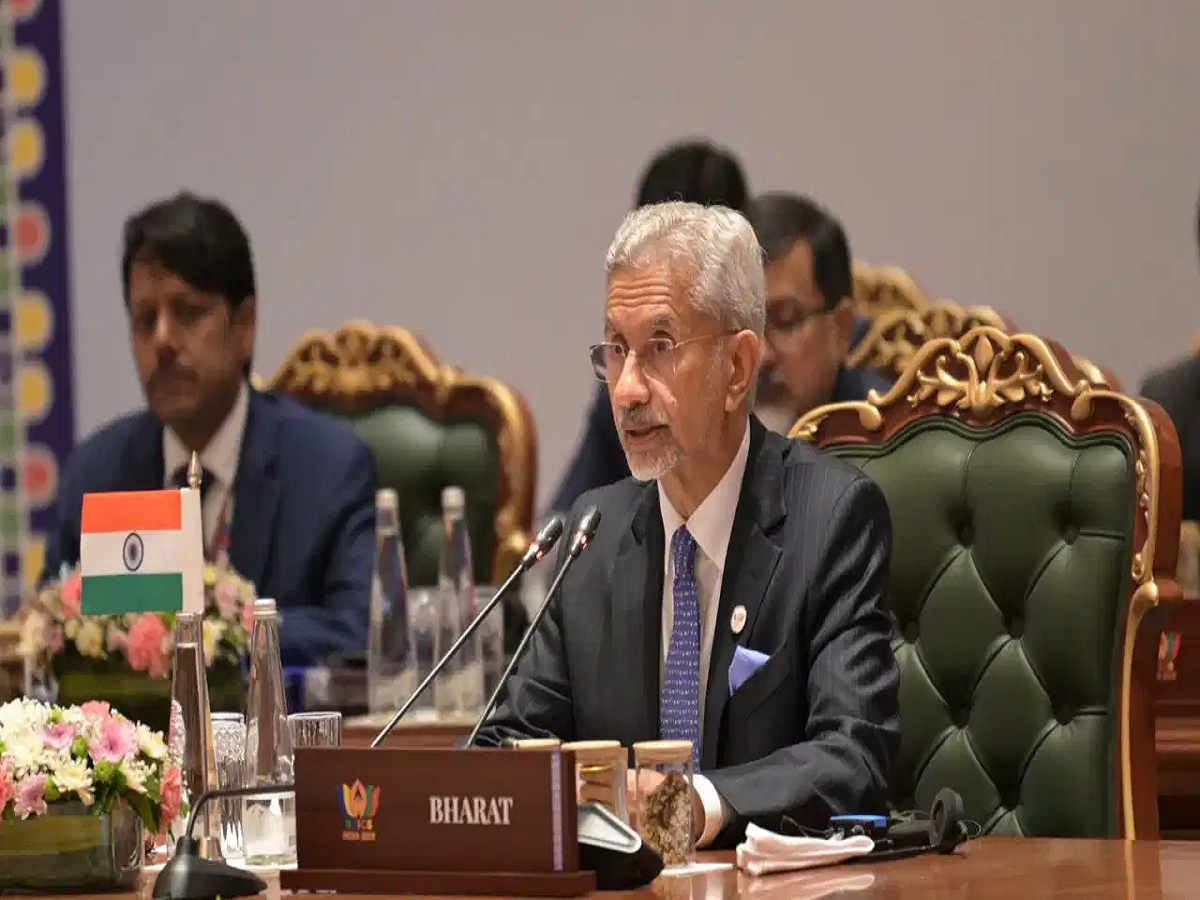
At the recent BRICS Foreign Ministers' meeting held in New Delhi, India emerged as a pivotal voice for a changing world. External Affairs Minister Dr. S. Jaishankar utilized the global stage to deliver a clear, assertive stance on the volatile state of international affairs. Rejecting the idea that military force or unilateral sanctions are the cure-all for global crises, India positioned itself as a champion of diplomacy and inclusive reform.
Here are the five core messages Delhi delivered to the world:
1. The Critical Need for Maritime Security
Focusing on the growing volatility in West Asia, Dr. Jaishankar highlighted the fragility of vital sea lanes like the Strait of Hormuz and the Red Sea. He emphasized that threats to energy infrastructure and maritime traffic are not regional problems—they are direct threats to global economic stability. For India, the message was clear: in an interconnected world, safe and unimpeded maritime flow is non-negotiable.
2. Addressing the Humanitarian Crisis in Gaza
India did not shy away from the pressing humanitarian emergencies in Gaza, Lebanon, Syria, Sudan, Yemen, and Libya. By centering the human cost of these conflicts, India reinforced its support for a ceasefire, sustained humanitarian access, and a commitment to the two-nation solution. India’s stance underscored that regional instability is a global security concern that can no longer be ignored.
3. A Sharp Stance Against Unilateral Sanctions
In a nuanced critique of Western-led policies, Dr. Jaishankar delivered a firm message against unilateral sanctions. He pointed out that punitive measures—often imposed outside the framework of international law or the UN Charter—disproportionately harm developing nations. India's position is unequivocal: "pressure politics" cannot be a substitute for genuine dialogue and diplomatic engagement.
4. Zero Tolerance for Terrorism
Reiterating a foundational pillar of its foreign policy, India called for a universal standard of zero tolerance toward terrorism. Dr. Jaishankar stressed that cross-border terrorism is a blatant violation of international relations and poses a direct threat to global peace. By bringing this to the BRICS platform, India continues to hold the international community accountable for its collective security commitments.
5. UN Reform: An Unavoidable Necessity
Dr. Jaishankar argued that the current multilateral system is showing signs of significant strain and is increasingly ill-equipped to handle modern challenges. He emphasized that UN Security Council (UNSC) reform is no longer a suggestion—it is a necessity. India continues to make a compelling case for a more representative and effective global governance structure that reflects the realities of the 21st century.
The Bottom Line The overarching message from New Delhi was that the world has entered an era of "fragmented geopolitics," where conflicts, energy insecurity, and economic pressures are deeply intertwined. India’s message to the BRICS nations and the wider global community is one of strategic autonomy: advocating for a world order built on diplomacy, dialogue, and inclusiveness rather than the path of confrontation.