INTERNATIONAL
Trump’s Strategic Pivot: A 24-Hour U-Turn as He Turns to Beijing to End the Iran Conflict
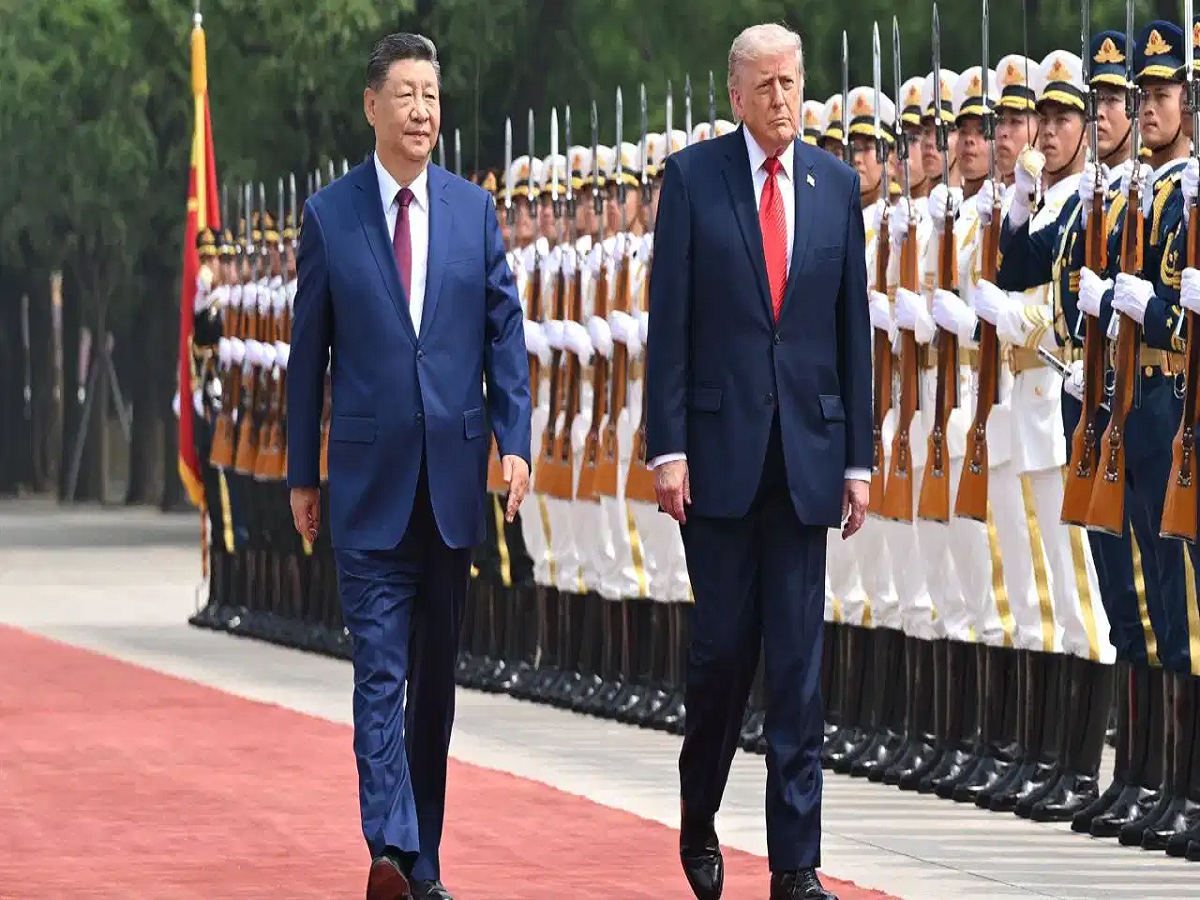
In a dramatic diplomatic reversal, Donald Trump appears to have softened his stance on China’s involvement in the Middle East. Only 24 hours after insisting that the United States did not require Chinese assistance to resolve the Iran crisis, the former President has reportedly held high-level discussions with Chinese President Xi Jinping in Beijing, centering on a path to peace for the ongoing conflict.
The talks, which also reportedly covered the Russia-Ukraine situation, mark a significant shift in rhetoric for the Trump administration, which has been searching for an exit strategy from the three-month-old Iran conflict without immediate success.
The 24-Hour "U-Turn"
Before departing the U.S., Trump had been dismissive of Beijing’s potential influence, telling reporters he did not need China's help to reach a settlement. However, the ground reality behind the scenes told a different story. U.S. officials had been actively engaging in "backdoor" diplomacy with Beijing, hoping that China might exert the necessary pressure on Tehran to alter its posture in the Gulf.
While the specific details of the Xi-Trump conversation remain under wraps, the meeting signals an acknowledgment that the path to a ceasefire may run through Beijing.
Why China Holds the Key to Peace
Diplomatic experts argue that China is the only global power with the leverage required to influence Tehran. There are three primary reasons why China has become central to these negotiations:
-
The "Guarantor" Requirement: Iran has explicitly stated that it views the U.S. as untrustworthy, fearing potential future attacks. Tehran is seeking a "guarantor" for a ceasefire—a role Iran believes only China has the political and economic influence to fill.
-
Economic Interdependence: As Iran’s largest oil buyer and a primary supplier of its defense hardware, China wields immense economic influence over Tehran. Simply put, Iran is in a position where it cannot afford to ignore Beijing’s diplomatic pressure.
-
The Failure of Other Mediators: Current mediation efforts have largely stalled because other international participants lack the sufficient leverage to restrain both sides. Iran’s ambassador in Beijing recently hinted that a ceasefire is only achievable if China steps up as the primary mediator and guarantor.
The Diplomatic Chessboard
As China ramps up its involvement—evidenced by recent consultations between the Chinese Foreign Minister and regional partners like Pakistan—the narrative has shifted from "going it alone" to "managed mediation."
For the Trump administration, the challenge remains: can the U.S. leverage China’s influence to secure a lasting peace without compromising its own strategic interests in the Gulf? With the conflict dragging on for nearly three months, the world is watching closely to see if this Beijing-brokered approach will finally bring the region back from the brink.