TECH
Should Wi-Fi and mobile data be turned off at night? You'll be shocked to learn the scientific truth
WiFi and Mobile Data: In today's digital age, Wi-Fi and mobile internet have become a part of our lives. Whether at home or in the office, routers are on 24 hours a day, and smartphones are also constantly connected to the network.
In today's digital age, Wi-Fi and mobile internet have become a part of our lives. Whether at home or in the office, routers are on 24 hours a day, and smartphones are constantly connected to the network. Meanwhile, people are wondering whether keeping Wi-Fi or mobile data on at night is healthy, or if it's better to turn it off. Sometimes, frightening stories surface on social media, but to understand the truth, it's important to understand science and research.
The waves emitted by Wi-Fi routers and mobile networks are called EMFs, or electromagnetic fields. They fall into the category of non-ionizing radiation, meaning they don't have enough energy to damage the body's DNA. Scientists say that the Wi-Fi signal used in a typical home is within established safety standards. While research is still ongoing on the potential for long-term exposure, there is currently no concrete evidence that it causes serious illness.
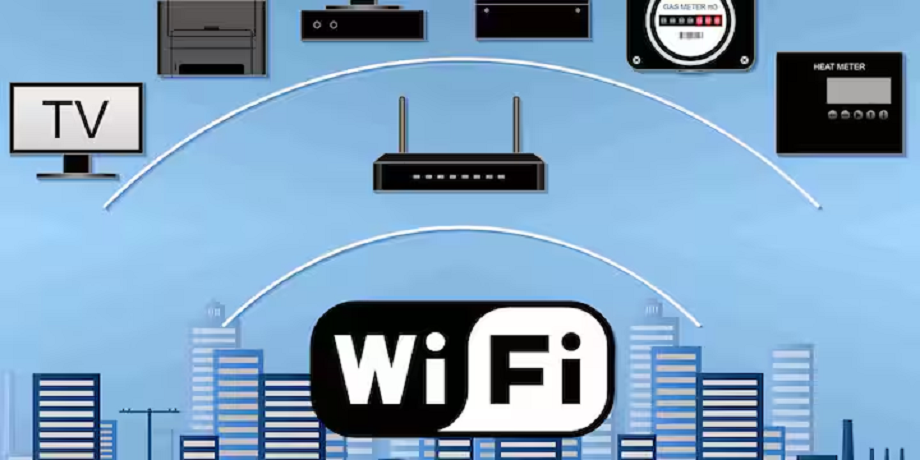
Some studies have indicated that the waves emitted by electronic devices and networks can slightly affect sleep. In particular, a slight impact on the hormone melatonin, which is essential for sleep, has been reported. However, experts believe that screen time and the habit of using phones late into the night are more harmful than Wi-Fi signals. Constant notifications and online activity keep the mind active, disrupting sleep.
Children's brains are still developing, so some doctors advise extra caution. Pregnant women are similarly advised to avoid unnecessary exposure. However, no study has yet proven that leaving Wi-Fi on at night causes direct harm to children or unborn babies.

Research on this topic has been ongoing for years, but there's no definitive evidence that mobile networks or Wi-Fi cause cancer. The World Health Organization has classified Wi-Fi as a possible carcinogen, along with things like coffee and pickles. This means the risk is considered very low, but further research is needed.
From a scientific perspective, turning it off isn't necessarily beneficial for your health. However, turning off Wi-Fi or mobile internet at night can save some electricity, reduce cybersecurity risks, and most importantly, allow your brain to rest better, free from digital noise. This means it's best to make decisions based on wisdom and convenience, not fear.
PC:ABPNews