BUSINESS
RBI Slaps ₹63.6 Lakh Penalty on Bank of Baroda: What Went Wrong and Why It Matters for Loan Customers
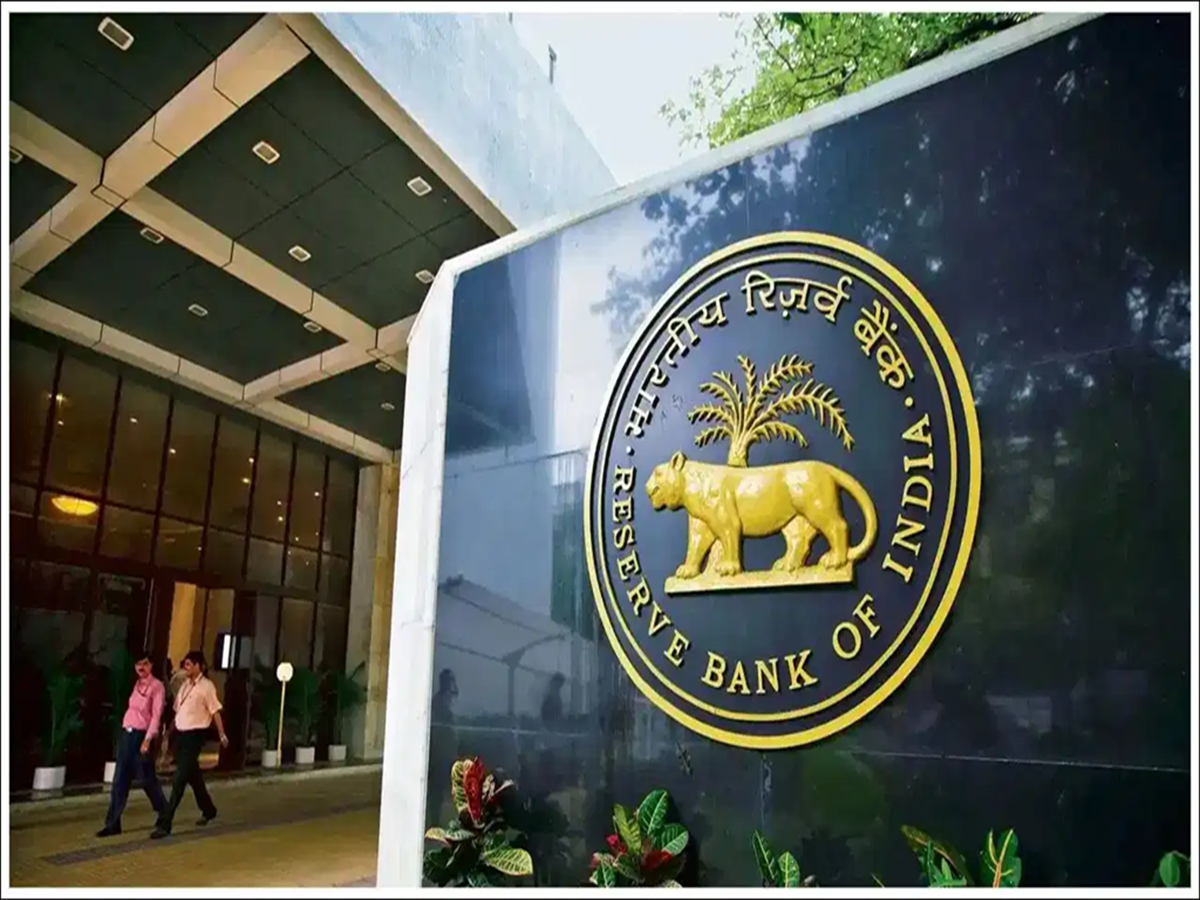
The Reserve Bank of India (RBI) has taken strict action against Bank of Baroda, imposing a penalty of ₹63.60 lakh for regulatory violations, including instances of charging higher-than-permitted interest rates on certain loan accounts. The action has also extended to GIC Housing Finance Limited, which was fined for separate compliance lapses.
The issue has raised fresh concerns about lending transparency and customer protection in India’s banking system.
Why did RBI penalize Bank of Baroda?
According to the RBI, Bank of Baroda was found to have charged interest rates beyond the prescribed limits in some loan accounts. This means some borrowers were billed more interest than what was allowed under regulatory guidelines and their agreed loan terms.
Such practices violate the RBI’s Fair Practices Code, which is designed to ensure:
- Transparent loan pricing
- Fair treatment of borrowers
- Clear disclosure of interest and charges
For customers, this directly impacts EMIs and total repayment amounts.
KYC compliance failure added to the issue
Apart from the interest-related violations, the bank was also penalized for lapses in Know Your Customer (KYC) compliance.
The RBI found that Bank of Baroda failed to upload customer KYC data to the Central KYC Records Registry (CKYCR) within the required timeframe for several accounts, which is mandatory under banking regulations.
How the RBI reached its decision
The RBI conducted an inspection based on the bank’s financial position as of March 31, 2025. After issuing a show-cause notice, the bank submitted its response and appeared for a hearing.
However, the central bank was not satisfied with the explanation. Following verification, the RBI confirmed the violations and imposed the penalty through an order dated June 30, 2026.
GIC Housing Finance also fined
Alongside Bank of Baroda, GIC Housing Finance Limited was fined ₹3.1 lakh. The National Housing Bank inspection found that the company failed to regularly review the risk classification of loan accounts every six months, as required by regulations.
What this means for borrowers
While the penalty amount may seem small compared to the bank’s size, the case highlights an important issue: even large financial institutions are under strict regulatory monitoring.
For customers, it reinforces the importance of:
- Checking loan statements regularly
- Understanding interest terms clearly
- Reporting discrepancies to the bank or regulator