BUSINESS
Extreme Heatwave Disrupts US Independence Day Celebrations as Temperatures Soar Across East Coast
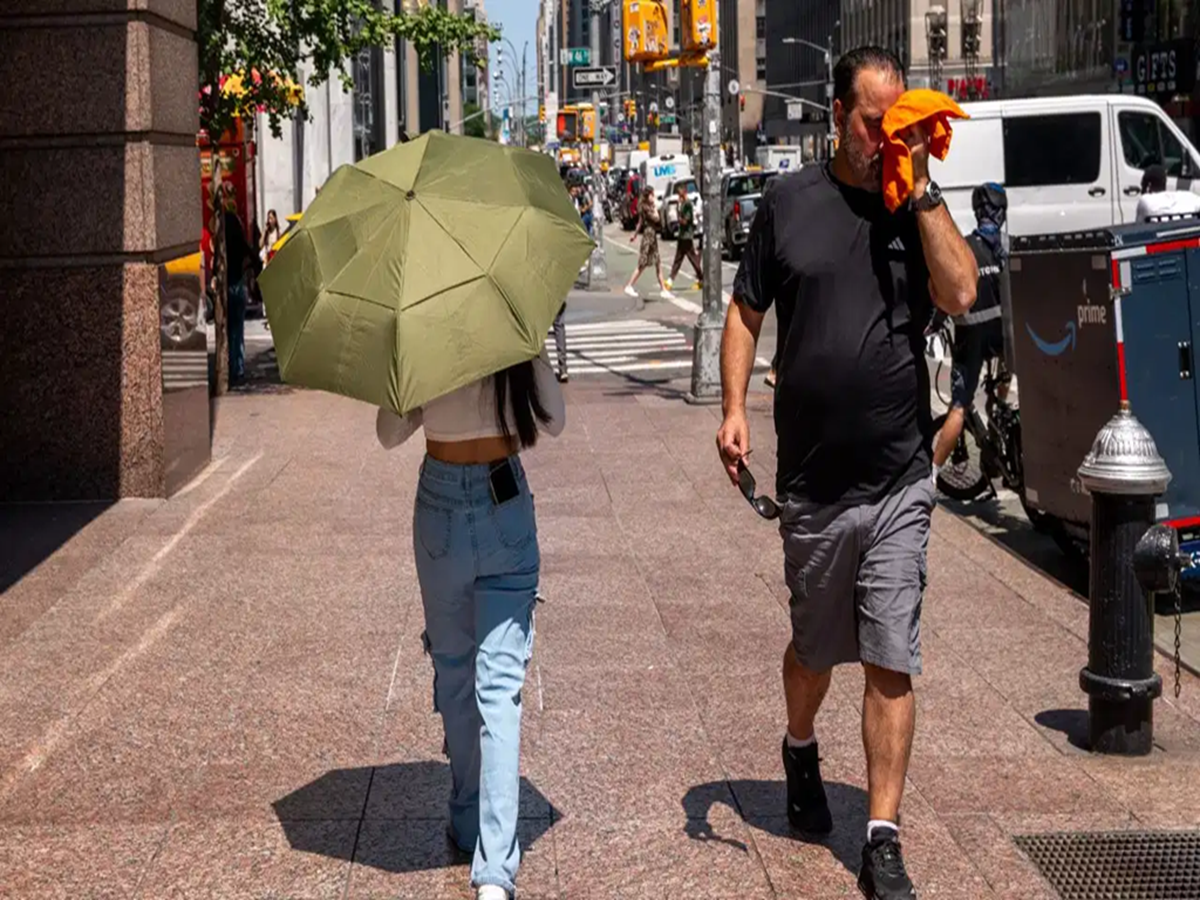
A severe and dangerous heatwave is sweeping across the United States, forcing cancellations and disruptions to multiple events marking the country’s 250th Independence Day celebrations on July 4. Several East Coast states are experiencing extreme heat conditions, prompting authorities to scale back outdoor gatherings and issue safety warnings.
How severe is the heat?
According to the U.S. National Weather Service (NWS), the heat index in Washington, D.C. could reach nearly 45°C, creating hazardous conditions for outdoor activities.
The heat index represents how hot it feels when humidity is combined with actual temperature, making conditions more dangerous than the thermometer reading alone.
In New York City, the heat index reportedly climbed close to 41°C, adding further strain on public infrastructure and residents.
Events canceled and rescheduled
The extreme weather has directly impacted Independence Day programming:
- Parades canceled in Leesburg (Virginia), Laurel, and Takoma Park (Maryland)
- Several outdoor events rescheduled or modified
- Some rehearsals for major programs on the National Mall were also called off
Organizers of the National Mall celebrations temporarily closed parts of the Great American State Fair due to safety concerns for attendees, performers, and staff.
Capitol Fourth Concert still on, but adjusted
The annual Capitol Fourth Concert will proceed, but with changes:
- Gates opening delayed to 7 PM
- Event starting at 8 PM
- Visitors advised to carry water and avoid heat exposure
The lineup includes major performers and orchestras, but safety remains the top priority.
Wider disruptions beyond celebrations
The heatwave has also affected transport and daily life:
- Some Amtrak train services in the Northeast were canceled due to concerns about rail expansion in extreme heat
- Events in Boston, Pennsylvania, and Gettysburg National Military Park were altered or scaled back
Authorities have warned that extreme temperatures can affect infrastructure like railway tracks and power grids.
Public advice and political reactions
Officials have urged residents to:
- Stay hydrated
- Limit outdoor exposure
- Reduce electricity usage during peak load hours
In New York City, residents were advised to set air conditioners around 25.5°C and conserve energy.
The guidance sparked political debate, with some Republican leaders criticizing energy-saving recommendations.