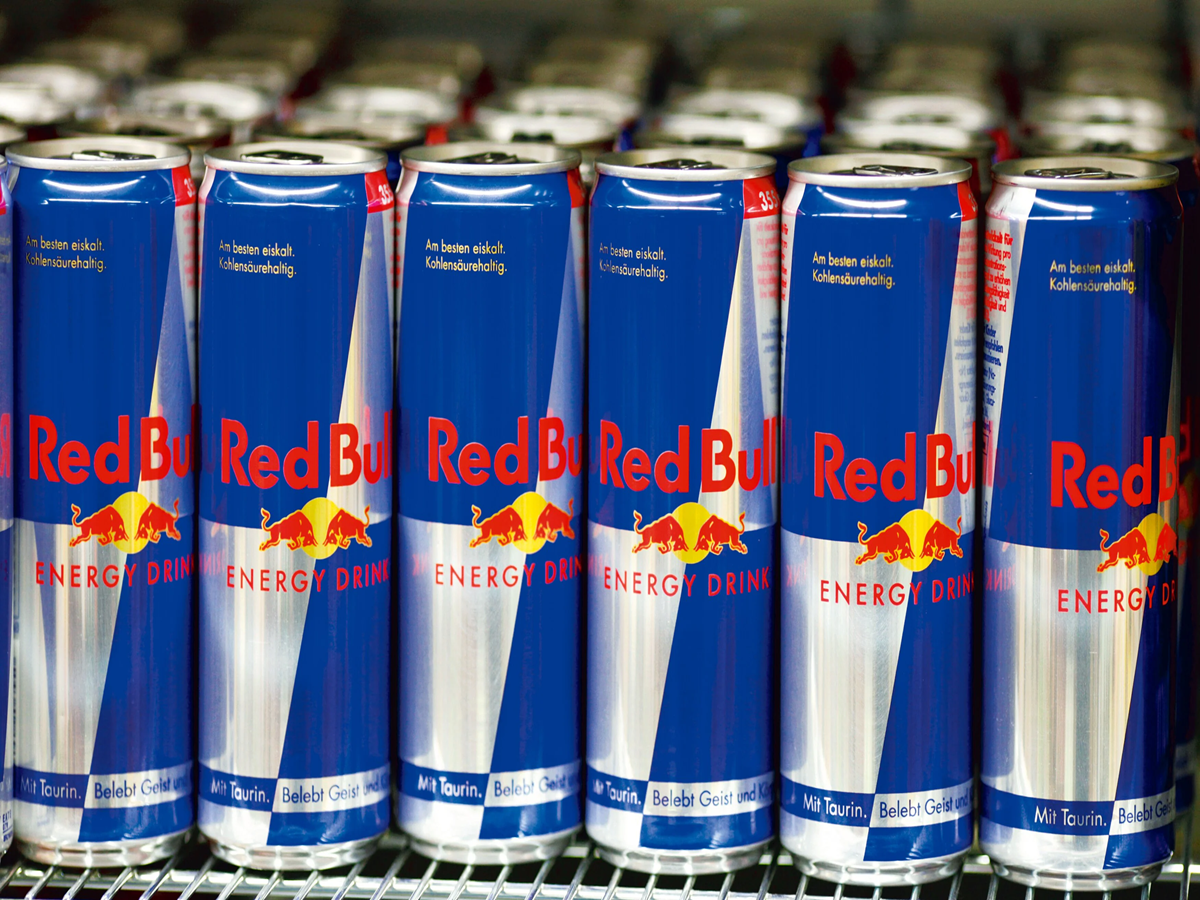
The Food Safety and Standards Authority of India (FSSAI) has recently taken strict action against several food and beverage companies, including major energy drink brands. Notices have been issued to 14 companies over misleading claims and violations of advertising rules, sparking fresh debate about how such products are marketed in India.
The action signals a stronger regulatory push toward transparency, especially in products that make “energy-boosting” or “health-related” claims.
Why FSSAI has taken action
According to reports, FSSAI issued notices to:
- 8 companies for misleading product claims and branding
- 6 energy drink brands for unverified “functional benefits”
The regulator found that several products were using claims such as:
- “Boosts energy instantly”
- “Improves focus”
- “Reduces weakness”
- “Refreshes mind and body”
FSSAI stated that such claims must be scientifically proven and approved, otherwise they violate food safety regulations.
What FSSAI rules say about food and energy drinks
Under the Food Safety and Standards Act, 2006, companies must follow strict guidelines:
1. No misleading claims
Products cannot advertise benefits that are not scientifically validated. Even branding like “healthy” or “natural” must match actual composition.
2. No medical or therapeutic claims
Food items cannot claim to:
- Cure diseases
- Improve brain function
- Provide instant medical-like effects
Energy drinks cannot legally claim “treatment-style” benefits without approval.
3. Proper labeling is mandatory
Companies must ensure:
- Transparent ingredient lists
- Accurate product naming
- No misleading terms like “zero maida” if not fully accurate
4. Vegan and special certifications
If a product claims to be vegan or organic, it must be officially certified under FSSAI rules.
How big is the energy drink market?
Global market
The global energy drink industry is valued at approximately:
- $85–92 billion (₹8.1–8.8 lakh crore)
- Expected to reach $158 billion (₹15+ lakh crore) by 2033
This growth is driven by rising demand for quick energy solutions and on-the-go lifestyles.
India’s energy drink market
India’s market is still smaller but growing rapidly:
- Estimated value: $0.75–1.5 billion (₹7,000–14,000 crore approx.)
Key growth drivers:
- Urban youth population
- Fitness and gym culture
- Gig economy workers
- Fast-paced work lifestyle
Market trends in India
- Traditional energy drinks dominate (~32% share)
- Natural/organic variants are growing fastest
- PET bottles dominate packaging (~51%)
- Online + retail sales lead distribution (~65%)
Why this crackdown matters
Experts believe this move is important because:
- Consumers often rely on marketing claims
- Energy drinks are widely consumed by young people
- Misleading labels can influence health choices
The action reflects FSSAI’s stricter stance on preventing false branding in India’s fast-growing packaged food sector.