BUSINESS
RBI Report: Circulation of ₹2000 Notes Drops Sharply, But They Remain a Banking Gamechanger
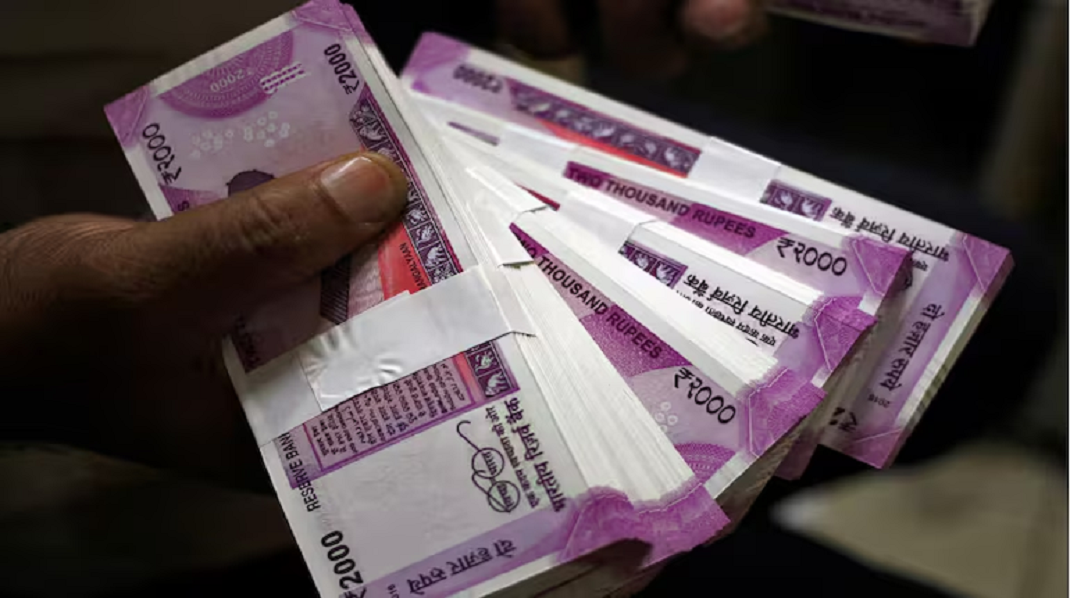
The Reserve Bank of India (RBI) has reported a significant decline in the circulation of ₹2000 currency notes. As of 30 September 2025, only ₹5,884 crore worth of ₹2000 notes remain in active circulation. While these high-denomination notes are still legal tender, their use in daily transactions has sharply reduced.
Decline in ₹2000 Notes
The drop in circulation follows the RBI’s earlier decision in May 2023 to withdraw ₹2000 notes from regular use. At that time, nearly ₹3.56 lakh crore worth of ₹2000 notes were in the system. Since then, the amount in active circulation has steadily decreased as more people deposited or exchanged these notes with banks.
RBI officials confirmed that while ₹2000 notes remain valid for loan repayments, banking transactions, and legal tender purposes, their practical use in shops, markets, and everyday transactions has reduced considerably.
Background of the ₹2000 Note
The ₹2000 note was first introduced in November 2016, shortly after the demonetization of ₹500 and ₹1000 notes. The primary objective was to meet the immediate cash requirements of the economy. However, the RBI stopped printing ₹2000 notes in 2018–19, and most of the existing notes were issued before March 2017.
Over time, the age of these notes has increased, prompting RBI and government guidelines to gradually phase them out from general circulation. According to official instructions, until 7 October 2023, people could deposit or exchange ₹2000 notes at standard bank branches. Post this date, the facility has been limited to 19 RBI regional offices and the postal department.
How to Exchange ₹2000 Notes
For those still holding ₹2000 notes:
-
Deposit them into your bank account.
-
Exchange them at RBI offices for notes of other denominations.
-
Postal offices also provide limited services for exchanging high-denomination notes.
Experts advise acting sooner rather than later, as many merchants and shopkeepers are reluctant to accept ₹2000 notes, making their practical utility in retail transactions minimal.
Why ₹2000 Notes Are Still Important
Despite declining circulation, ₹2000 notes remain a key instrument in the banking and financial system:
-
High-Value Transactions: They facilitate large payments like loan settlements and business transactions.
-
Banking Liquidity: They remain a convenient method for depositing large sums quickly.
-
Legal Tender Status: ₹2000 notes can still be used to settle debts and financial obligations, ensuring they are far from obsolete.
Expert Advice
Financial specialists suggest that holding on to ₹2000 notes may create challenges in the future due to limited acceptance in daily commerce. Therefore, individuals are encouraged to deposit or exchange these notes to avoid potential inconveniences.
Bottom Line
While the circulation of ₹2000 notes has dropped dramatically, they remain a vital component of India’s banking framework. The RBI continues to provide avenues for exchanging and depositing these notes, ensuring legal tender status is maintained while gradually encouraging users to transition to smaller denominations. For account holders and businesses, this step highlights the importance of timely financial planning and compliance with RBI guidelines.