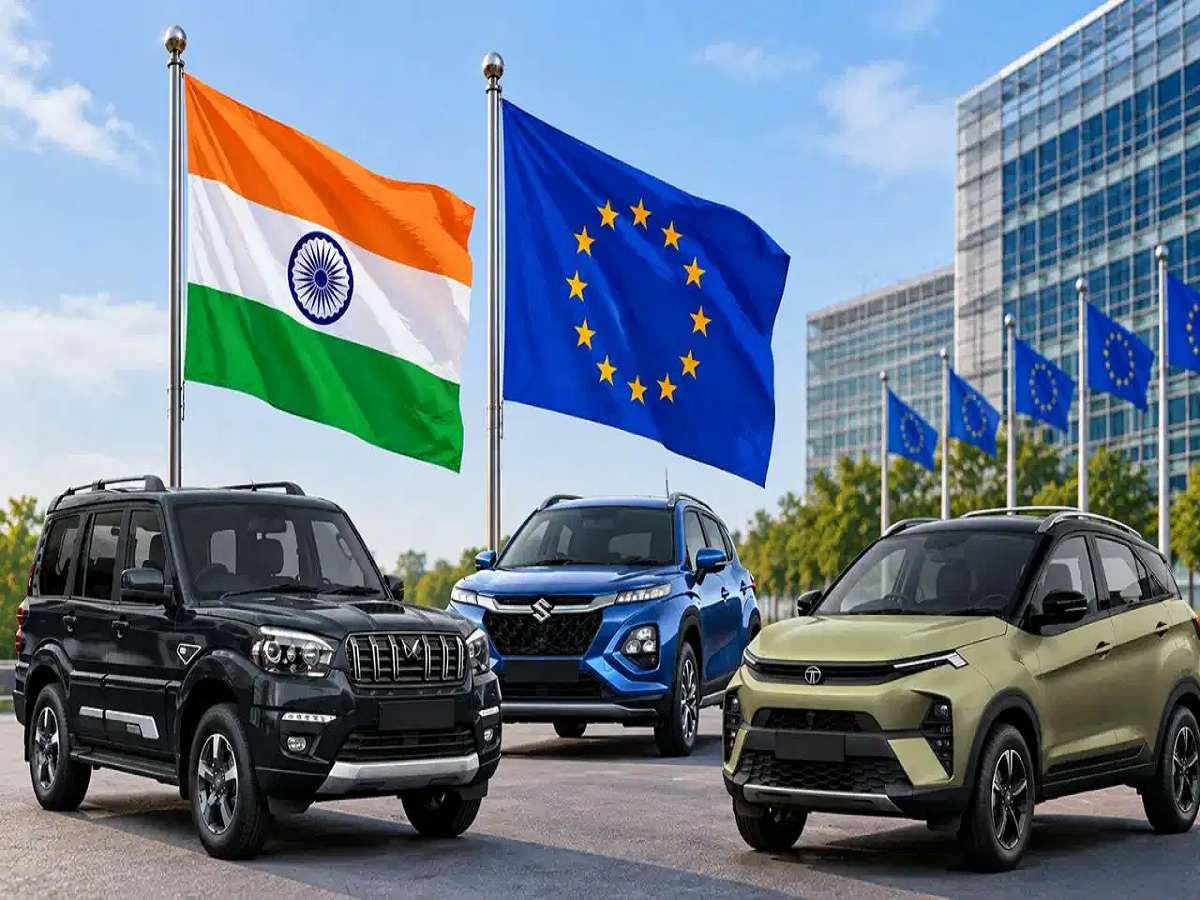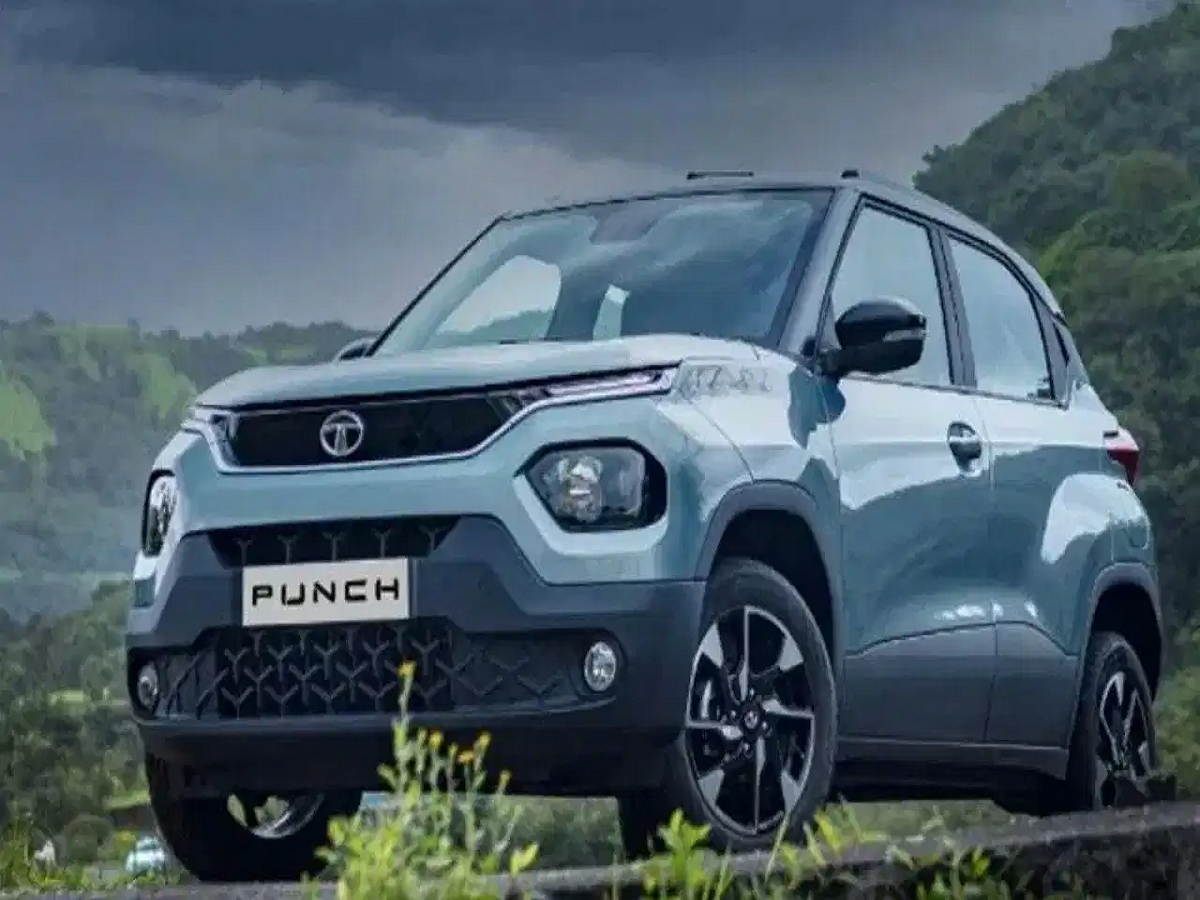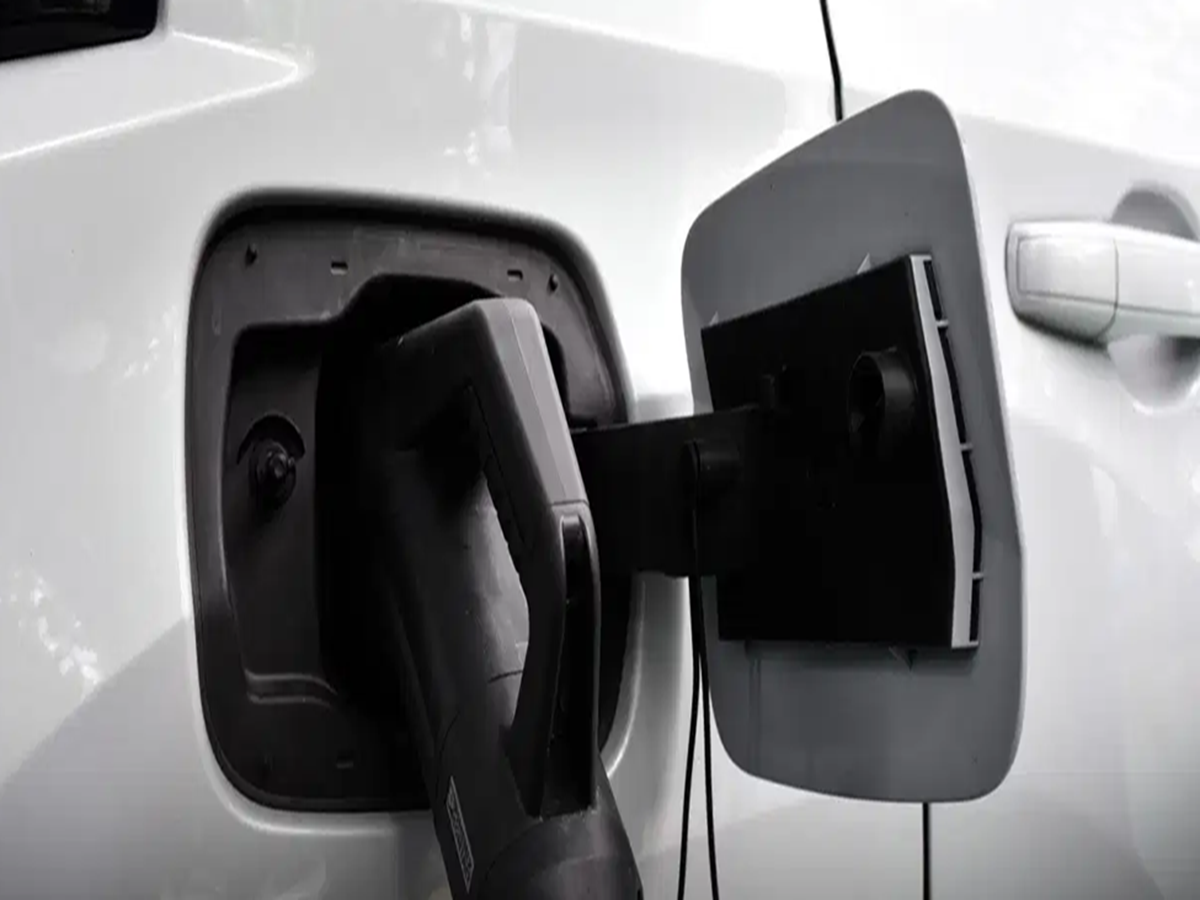
India’s electric car market is expanding rapidly, and 2026 could mark a historic milestone. For the first time, annual electric car sales in the country are expected to cross 300,000 units, signaling a strong shift toward cleaner mobility.
In comparison, sales in 2025 were slightly below 200,000 units, but current trends show a sharp upward trajectory. Data from the Vahan portal indicates that around 150,000 electric cars have already been registered in 2026 so far, highlighting growing consumer interest in EVs.
Strong Growth Driven by Rising Demand
Several factors are contributing to the surge in electric vehicle adoption. Automakers are launching new models at a faster pace, offering better features and more attractive financing options. At the same time, India’s charging infrastructure is steadily improving, reducing range concerns for buyers.
On average, nearly 27,000 electric cars are being registered every month, a significant increase compared to the previous year. With the festive season typically boosting automobile sales and multiple new launches expected, industry experts believe the total could comfortably exceed 300,000 units by the end of the year.
Market research firm Frost & Sullivan also projects that under favorable conditions, India’s EV car sales could surpass this milestone.
More Models, Better Affordability
According to CRISIL, one of the key reasons behind rising demand is the rapid expansion of available models. The number of electric car options has nearly doubled in the last two financial years, reaching around 20 models, and is expected to rise beyond 35 in the coming year.
Importantly, many upcoming EVs are priced below ₹15 lakh, making them more accessible to middle-class buyers and widening the customer base.
Range Anxiety Slowly Disappearing
Improved battery technology is also playing a major role in boosting confidence among buyers. Earlier, limited driving range was a major concern, but modern electric cars now offer:
-
500–700 km range in premium models
-
300–450 km range in mid-range vehicles
In addition, manufacturers are offering longer battery warranties of 8 to 10 years, further improving trust in EV ownership. Concepts like battery-as-a-service are also helping reduce upfront costs and making EVs more affordable.
Rising Fuel Prices Boost EV Appeal
Another key factor driving demand is the rising cost of petrol and diesel. Geopolitical tensions in West Asia have led to fluctuations in global oil prices, increasing fuel expenses for conventional vehicles.
According to CRISIL, operating costs for petrol and diesel vehicles rose by 7–8% in May alone, while electric vehicles continue to offer significantly lower running costs.
Experts from Frost & Sullivan believe that if global fuel price volatility continues, EV demand in India could accelerate even further in the coming years.
India’s electric mobility transition is clearly gaining momentum, and 2026 may well become a landmark year for the country’s automobile industry.