NATIONAL
How will Harish Rana of Ghaziabad be granted euthanasia? The Supreme Court has explained the process
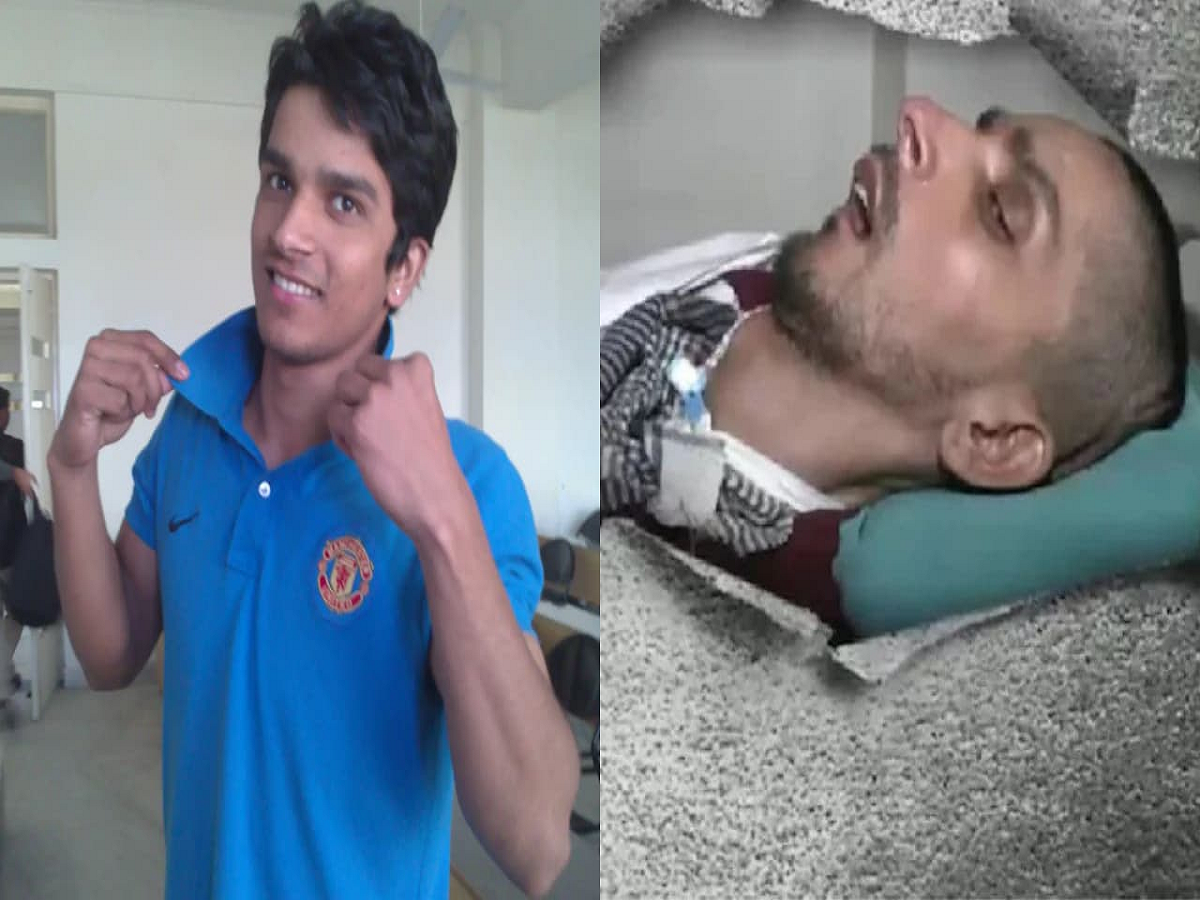
Harish Rana Passive Euthanasia Full Process: Harish Rana of Ghaziabad has been in a coma for the past 13 years. The Supreme Court has granted him permission for passive euthanasia. Learn how the entire euthanasia process will unfold following the court order and how doctors will gradually remove medical support.
Harish Rana, a resident of Ghaziabad, has been lying unconscious between life and death for the past 13 years. In 2013, while studying in Chandigarh, he fell from the fourth floor of his hostel and suffered a serious head injury. Since this accident, he has become 100% disabled and has been bedridden. This prolonged state of insanity has left him with deep wounds. Seeing his son's condition, his parents filed a petition in the Supreme Court seeking permission for euthanasia.
Supreme Court allows passive euthanasia
Hearing the case, a two-judge bench of the Supreme Court, Justice J.B. Pardiwala and Justice K.V. Vishwanathan, cited the AIIMS medical report. The report clearly stated that Harish had no medical possibility of recovery. The court stated that this decision was not easy, but subjecting a person to unbearable pain for a long period of time is also not humane. On this basis, the court granted Harish Rana passive euthanasia, or euthanasia.
The Supreme Court explained the entire process
The court clarified in its order that this procedure will be conducted strictly under the rules of passive euthanasia. Harish will be admitted to the Palliative Care Department of AIIMS, Delhi. There, under the supervision of specialist doctors, the medical support and treatment being provided to keep him alive will be gradually withdrawn. The court also directed that this procedure be carried out in a very sensitive and humane manner.
Treatment will be gradually removed, to minimize pain.
As per the court's directive, Harish's life support, medications, and artificial nutrition will be discontinued in a phased manner. However, during this time, it will be ensured that he does not suffer any physical pain. To this end, doctors will continue to administer pain-relieving medications as needed. This means that while removing treatment, care will be taken to ensure the entire process is less painful as possible for the patient.
Hearing will be held again after four weeks, medical panel formed
The Supreme Court has also stated that a hearing will be held again in four weeks to review the implementation of this decision. The court has also directed all Chief Medical Officers of the country to form special medical panels to investigate such cases. It is believed that the case of Harish Rana of Ghaziabad could spark new legal and social debate in India on passive euthanasia and the right to death with dignity.
Image Credit: Asianet News