INTERNATIONAL
Cyber Warfare Escalates in Iran–US–Israel Conflict, Internet Networks and Apps Targeted
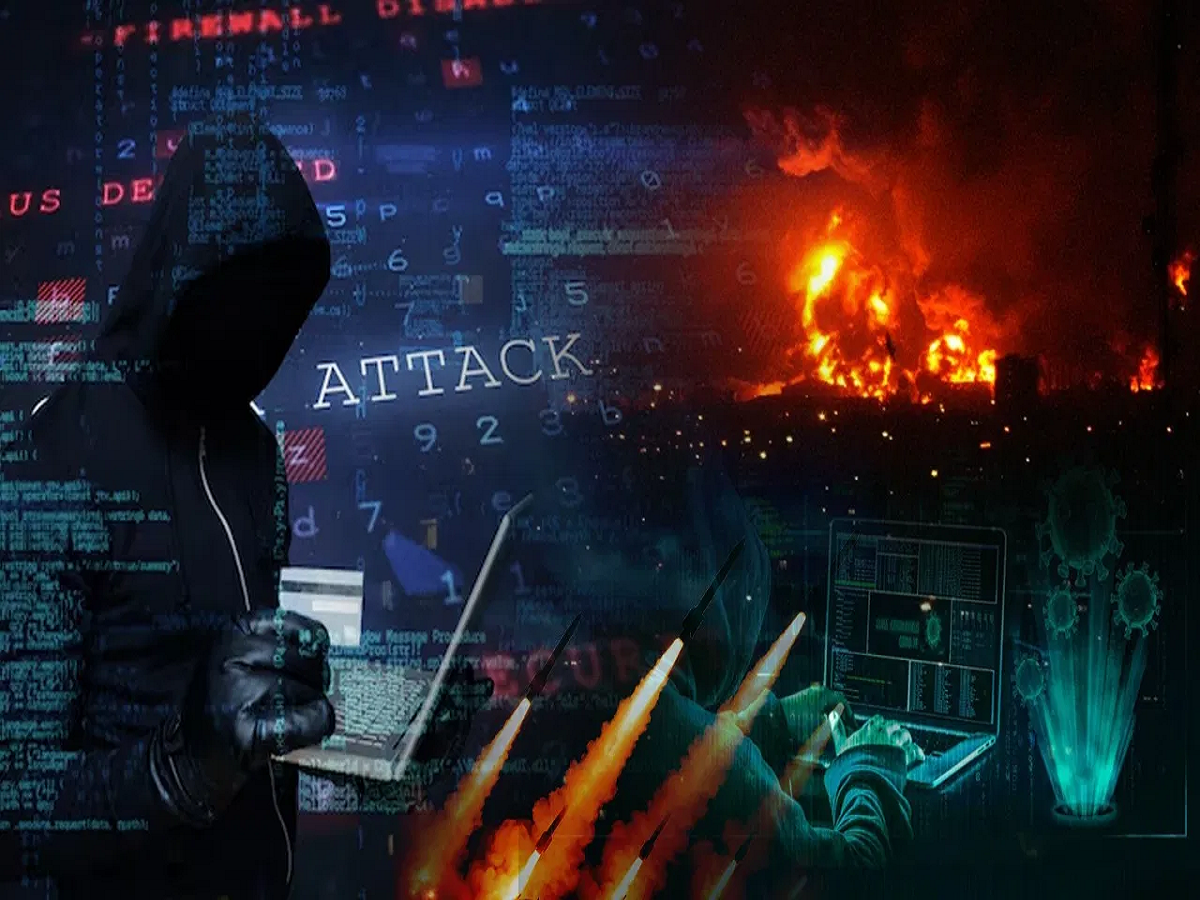
The ongoing conflict involving Iran, United States, and Israel has entered a new phase as cyber warfare becomes a major battleground. Since the conflict began on February 28, 2026, digital infrastructure, internet networks, and mobile applications have increasingly come under attack alongside conventional military strikes.
Internet Disruptions Reported in Iran
Reports indicate that major cyber operations were launched against Iran during the early days of the conflict. In several regions of Tehran and other areas, internet connectivity reportedly dropped to around 4%, severely affecting communications.
Authorities believe that damage to fiber-optic cables, along with cyber intrusions, has disrupted communication systems and sensor networks across the country.
Government Websites and Digital Systems Targeted
Several Iranian government websites and news portals were temporarily hacked or taken offline during the attacks. Digital systems connected to traffic cameras and mobile networks in Iran were also targeted.
These cyber operations are believed to be part of a broader strategy to weaken communication systems and disrupt essential digital services.
Psychological Operations Through Mobile Apps
Reports also claim that the popular Iranian prayer-time mobile app BadeSaba was compromised. Users allegedly received anti-government messages through the app, which analysts believe could be part of a psychological warfare campaign aimed at influencing public opinion and weakening morale.
Iran’s Cyber Response
Iran has also reportedly launched retaliatory cyberattacks. More than 60 hacker and hacktivist groups linked to the country are said to be active in targeting organizations in several nations.
These attacks include:
-
DDoS (Distributed Denial-of-Service) attacks
-
Website defacements
-
Data theft and leaks
-
Malware and wiper attacks on networks
Attack Claims Against U.S. Company
On March 11, 2026, cyber attackers reportedly targeted Stryker Corporation, a U.S.-based medical technology company. According to security warnings from U.S. agencies, approximately 50 terabytes of data may have been stolen in the breach.
Experts warn that sectors such as energy, banking, healthcare, and defense are particularly vulnerable to cyberattacks during such conflicts. As a result, many countries have strengthened the protection of their critical digital infrastructure.
Rise of Hybrid Warfare
Analysts say the conflict is increasingly turning into hybrid warfare, combining traditional military operations with cyberattacks and psychological campaigns.