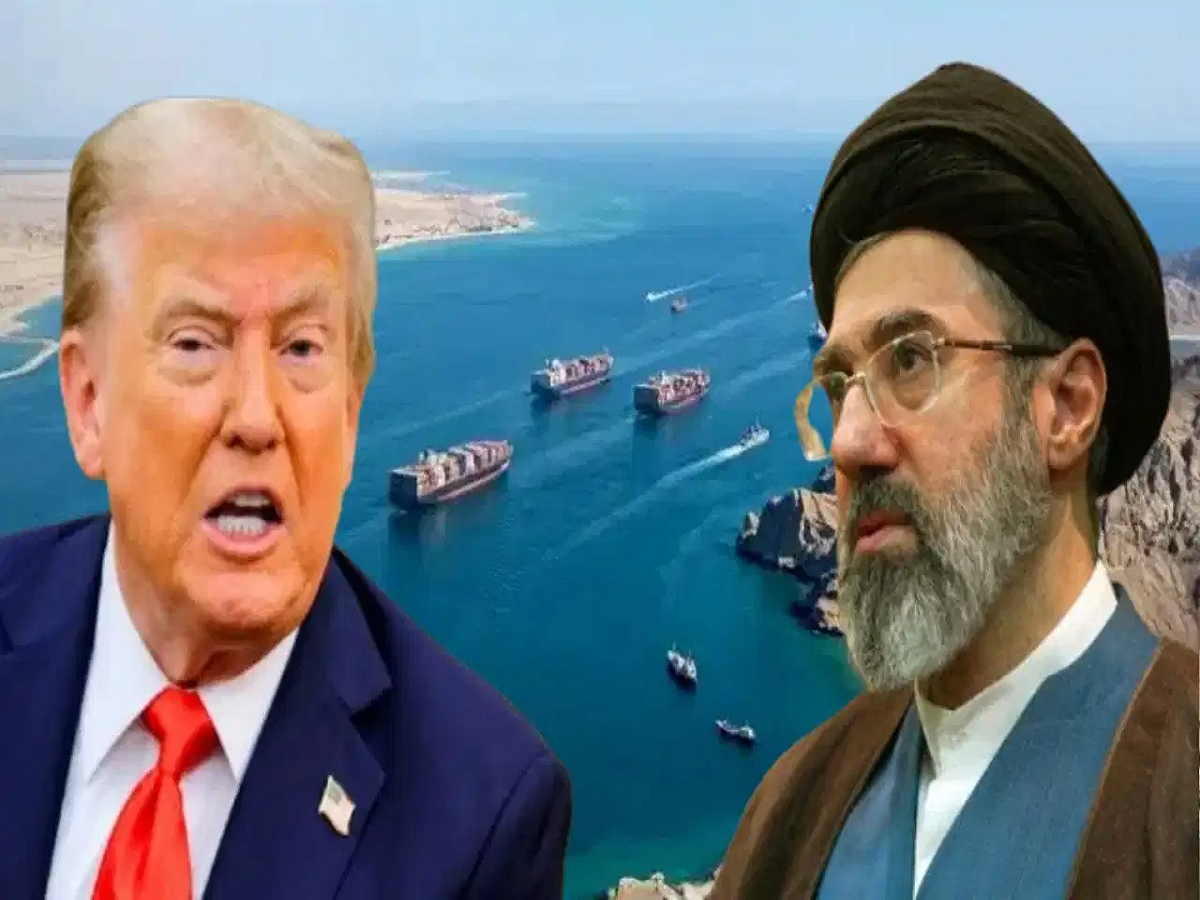
Amid escalating tensions in West Asia, fresh developments surrounding the Strait of Hormuz have raised a critical question for global trade: will the vital maritime route reopen fully after the reported killing of a senior Iranian commander?
Claim of Commander’s Killing Sparks Speculation
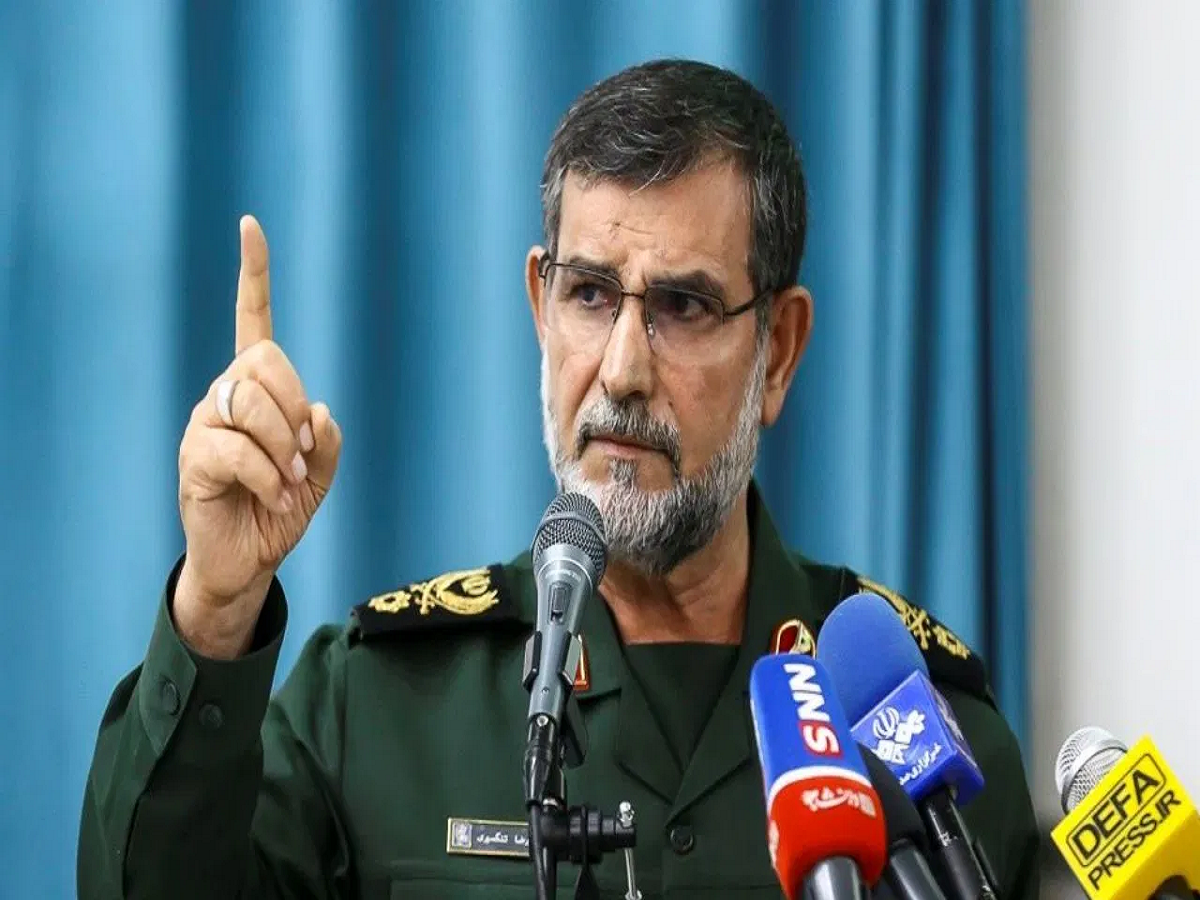
According to claims attributed to the Israel Defense Forces, Alireza Tangsiri, a senior commander of Iran’s Islamic Revolutionary Guard Corps (IRGC) Navy, has been killed in an operation near Bandar Abbas. He was widely seen as a key figure in Iran’s maritime strategy, including actions affecting the Strait of Hormuz.
However, it is important to note that there has been no official confirmation from Iran regarding his death.
Why the Strait of Hormuz Matters
The Strait of Hormuz is one of the world’s most critical chokepoints for energy supply:
- Handles over 20% of global oil trade
- Connects the Persian Gulf to the Gulf of Oman
- Essential for shipments from major oil producers like Saudi Arabia, UAE, Kuwait, and Iraq
Any disruption in this narrow passage has immediate global economic consequences, including rising oil prices and supply uncertainty.
Can the Route Reopen Immediately?
Despite the reported killing, experts suggest that reopening the Strait is not guaranteed or immediate. The reasons are structural:
- Institutional Control: The Strait is controlled by Iran’s military apparatus, not a single individual.
- Strategic Policy: Any blockade or restriction is part of broader geopolitical strategy, not solely dependent on one commander.
- Ongoing Conflict: As long as tensions between Iran and its adversaries persist, risks to shipping remain high.
In short, the removal of one commander—even a key figure—is unlikely to instantly change ground realities.
Who Was Alireza Tangsiri?
Tangsiri, born in 1962, led the IRGC Navy since 2018 and was considered a close associate of influential Iranian figures. He played a significant role in past high-profile operations, including the 2016 detention of US sailors.
His leadership was associated with Iran’s assertive posture in the Gulf region.
Global Impact and What Comes Next
Markets and governments worldwide are closely monitoring the situation. Any signs of de-escalation could ease pressure on oil supply chains, while continued uncertainty may keep prices volatile.
Shipping companies, insurers, and energy-importing nations are likely to remain cautious until there is clear confirmation of stability in the region.
Conclusion
While the reported killing of a key Iranian naval commander is a major development, it does not automatically ensure the reopening of the Strait of Hormuz. The situation remains fluid, shaped by broader geopolitical dynamics rather than the actions of a single individual.