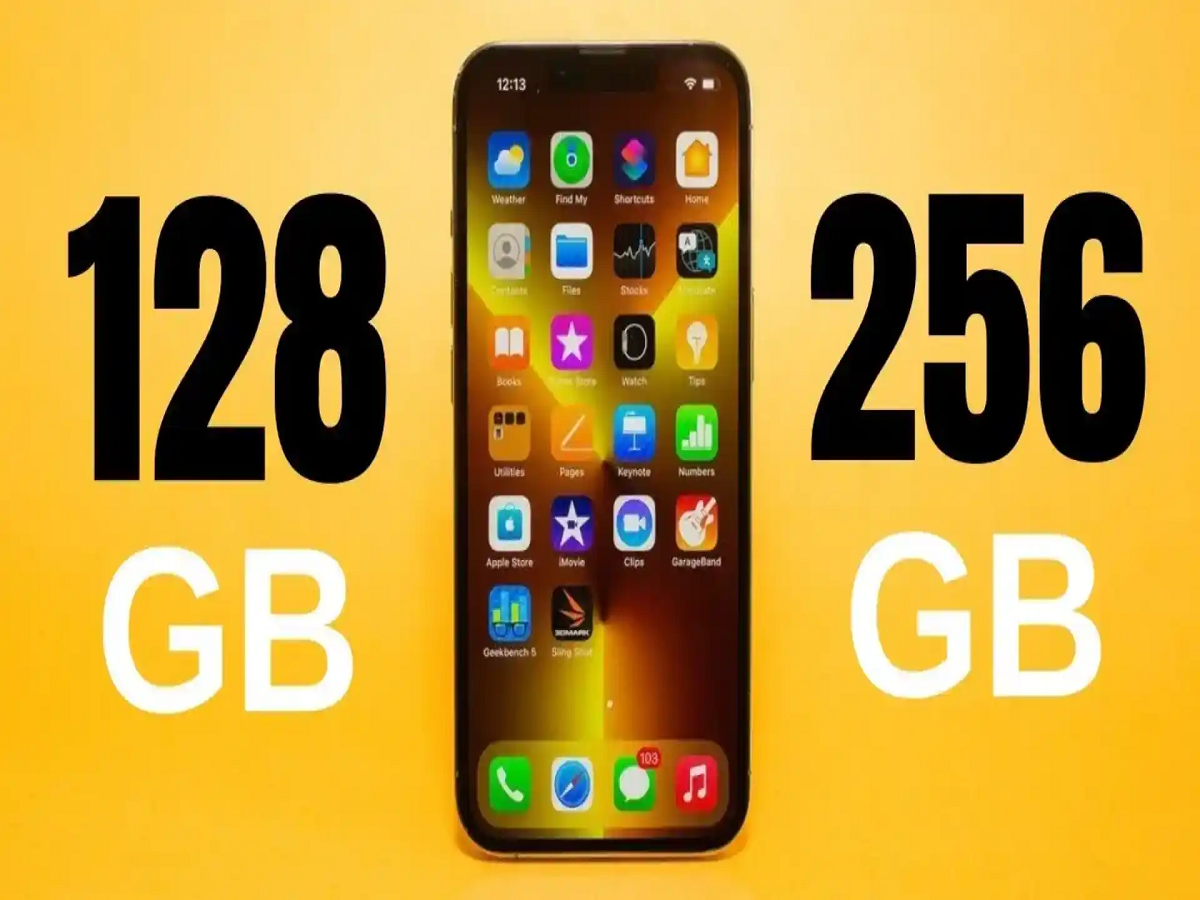
In 2026, the humble smartphone has evolved into a powerhouse of AI, high-definition cinematography, and gaming—but this progress comes at a cost: storage. As you weigh the decision between a 128GB model and a 256GB variant, the "small" savings of choosing the lower storage can often turn into a "big" headache later.
If you are currently deciding which version of your next phone to buy, here is the breakdown of why your storage choice matters more than you think.
Who Can Still Get Away with 128GB?
If your digital life is primarily cloud-based, 128GB might still be your sweet spot. It is generally enough for:
-
Light Users: People whose phone usage is limited to social media, basic messaging, and occasional photos.
-
Streamers: If you primarily consume content via YouTube, Spotify, or Netflix rather than downloading massive offline libraries.
-
Budget-Conscious Buyers: If your primary goal is to minimize the upfront cost and you are diligent about clearing your cache and offloading photos to the cloud.
The Catch: Between the ever-increasing size of modern mobile operating systems and the background data consumed by new AI-integrated apps, 128GB fills up much faster than it did even two years ago.
Why 256GB is Now the "Must-Have" Standard
In 2026, 256GB is rapidly becoming the baseline for a stress-free experience. Here’s why:
-
Cinematic Demands: Modern smartphone cameras are capable of 4K and 8K recording. A few minutes of high-resolution video can consume several gigabytes, making 128GB feel restrictive almost immediately.
-
AI and Gaming: High-graphics games and advanced AI editing suites require significant local space to run efficiently.
-
The "Fixed" Capacity Era: With fewer smartphones offering microSD card expansion, the internal storage you buy on day one is all you get for the life of the device.
Storage vs. Speed: The Hidden Connection
Many users believe storage capacity only affects how many photos they can keep, but it directly impacts phone performance.
-
The Performance Buffer: Tech experts recommend keeping at least 20–30% of your total storage free to allow the system to operate smoothly. When your storage is nearly full, the phone's processor struggles to move data, leading to sluggish app launches, stuttering interfaces, and even poor camera performance.
-
Long-Term Longevity: A 256GB phone allows you to maintain that necessary free space for 3–5 years without the constant "Storage Full" notifications that plague users of smaller storage variants.
The Final Verdict: Future-Proof Your Investment
When buying a phone in 2026, consider it an investment in your productivity and peace of mind.
-
Choose 128GB if: You are a casual user on a strict budget who isn't planning on keeping the phone for more than two years.
-
Choose 256GB if: You are a content creator, a gamer, or simply someone who wants their phone to remain fast and responsive for at least three to five years.
Pro-tip: While 256GB may require a slightly higher initial investment, it effectively eliminates the "deletion anxiety" that comes with managing a cramped phone, ultimately saving you from the frustration of having to replace your device prematurely.