LIFESTYLE
Homemade Peanut Butter Recipe: No Refined Sugar or Preservatives, Just a Creamy Market-Style Spread
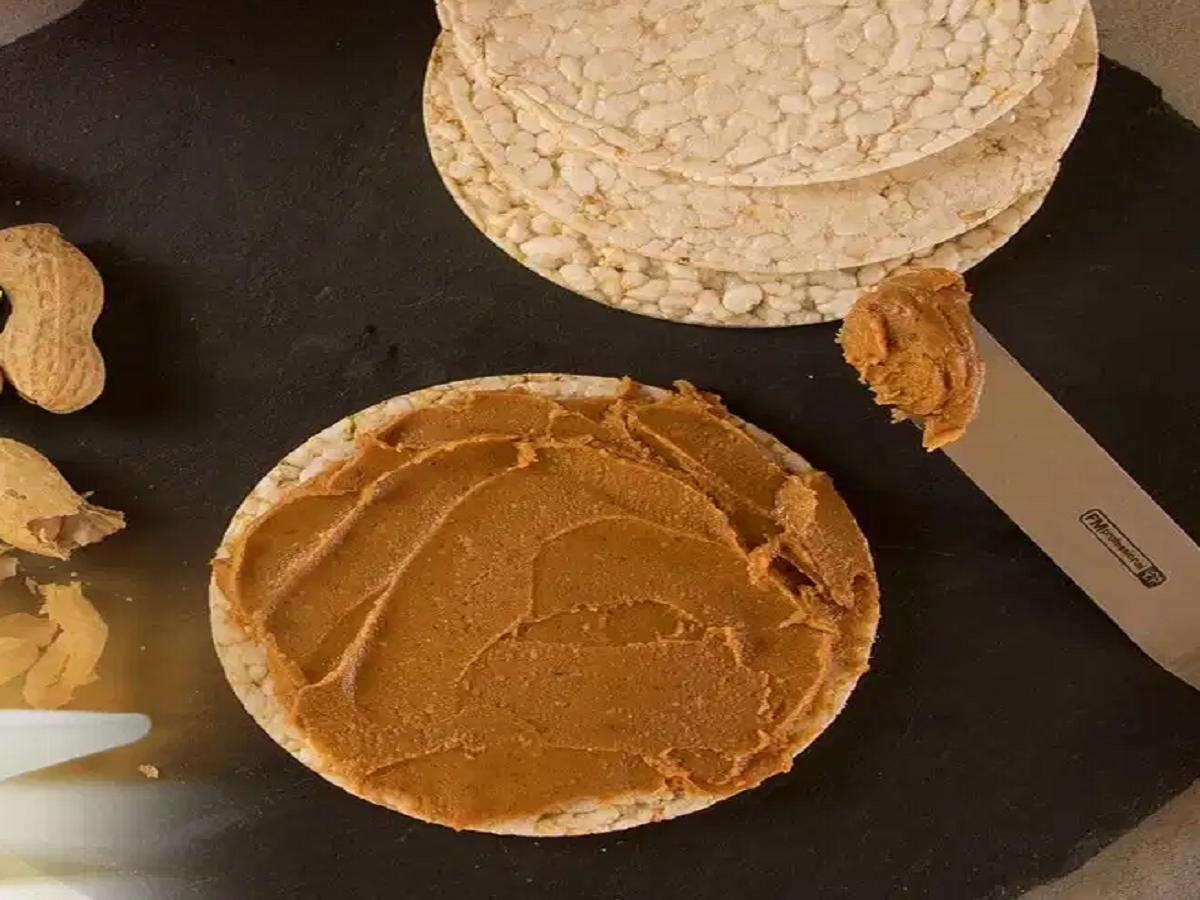
Peanut butter has become a popular breakfast choice, especially for people looking for a convenient spread to pair with toast, fruit, smoothies or oatmeal. While plenty of packaged options are available, some products may contain added sugar, extra oils, salt or stabilizers depending on the brand.
If you want greater control over the ingredients, preparing peanut butter at home is surprisingly simple. With roasted peanuts, dates, honey and a small amount of oil, you can make a smooth and creamy spread without adding refined sugar or preservatives.
Chef Pankaj Bhadouria has shared an easy homemade peanut butter recipe that uses dates and honey for sweetness. The entire process requires only a few basic ingredients and can produce approximately 250 grams of peanut butter.
Here's how you can prepare it at home.
Homemade Peanut Butter Recipe
Preparation time: Around 10 minutes
Cooking time: Around 10 minutes
Approximate quantity: 250 grams
Ingredients You Will Need
-
200 grams unsalted, shelled peanuts
-
1/4 teaspoon salt
-
2 teaspoons honey
-
2 tablespoons peanut oil or ghee
-
6-7 dates, pitted and chopped
The sweetness can be adjusted according to personal preference. Keep in mind that although the recipe contains no refined sugar, dates and honey still contain naturally occurring or added sugars and contribute calories.
Step 1: Roast the Peanuts Properly
Begin by heating a pan without adding any oil. Add the peanuts and dry-roast them for approximately 8 to 10 minutes.
Keep the flame on low to medium and stir the peanuts regularly. Slow roasting helps cook them evenly and develops the nutty flavour that gives peanut butter its characteristic taste.
You'll notice that the peanuts become aromatic and their outer skins begin to crack as they roast.
Avoid using very high heat, as the outside of the peanuts may burn before they are properly roasted inside.
Step 2: Cool and Remove the Peanut Skins
Once the peanuts have roasted, remove them from the heat and allow them to cool.
When they are cool enough to handle, place them inside a clean kitchen cloth and gently rub them. This should loosen much of the papery skin.
Separate and discard the loosened skins before moving to the blending stage.
Step 3: Blend the Peanuts
Transfer the roasted peanuts to a mixer, blender or food processor.
Start blending them. Initially, the peanuts will turn into a coarse powder. As blending continues, the natural oils in the peanuts will gradually be released and the mixture will begin to turn into a thick paste.
You may need to stop occasionally and scrape the mixture from the sides of the container before blending again.
Patience at this stage is important if you want a smoother consistency.
Step 4: Add Dates, Honey and Oil
Once the peanuts have developed a paste-like consistency, add the chopped and pitted dates, honey and salt.
Next, add peanut oil or ghee.
Blend everything again until the ingredients are thoroughly combined and the peanut butter reaches your preferred consistency.
If you want a smoother spread, blend it for a little longer. The final texture will depend on the peanuts, blender and amount of added oil.
Step 5: Transfer It to a Clean Jar
Once your homemade peanut butter is ready, transfer it into a clean, dry glass container and keep it refrigerated.
Because homemade peanut butter does not contain commercial preservatives or stabilizers, its texture and shelf life can differ considerably from packaged products. Always use a clean, dry spoon and discard the spread if you notice an unusual smell, taste, appearance or signs of spoilage.
Natural oil separation may occur during storage. In that case, the peanut butter can simply be stirred before use.
Why Make Peanut Butter at Home?
One of the biggest advantages of homemade peanut butter is that you know exactly what goes into it.
You can control the sweetness, salt and amount of added fat. You can also modify the texture according to preference—blend longer for a creamy spread or leave some peanut pieces for a crunchy version.
The recipe also avoids refined sugar by relying on dates and honey for sweetness. However, calling it "sugar-free" would be inaccurate because both ingredients contain sugars.
Peanut Butter Provides Protein and Other Nutrients
Peanuts are naturally rich in protein, fats and several important micronutrients. Nutritional values vary according to the type of peanut butter and ingredients used.
According to historical USDA nutrient data for smooth salted peanut butter, a 100-gram serving contained about 22.5 grams of protein and 4.8 grams of dietary fibre, along with minerals including magnesium, phosphorus, potassium, calcium, iron and zinc.
However, peanut butter is also calorie-dense, so portion size matters—particularly when additional ingredients such as honey, dates, oil or ghee are included.
Easy Homemade Spread for Breakfast
This homemade peanut butter recipe can be paired with toast, bananas, apples, oatmeal or smoothies. It can also be used in a variety of snacks and desserts.
Most importantly, making it yourself allows you to customize the recipe instead of relying entirely on the ingredient list of a packaged spread.
With roasted peanuts and just a handful of additional ingredients, you can prepare creamy peanut butter at home without refined sugar or commercial preservatives—and adjust the flavour exactly the way you like it.