NATIONAL
Heat wave will scorch the body, severe heat will prevail from March to May, IMD issues alert
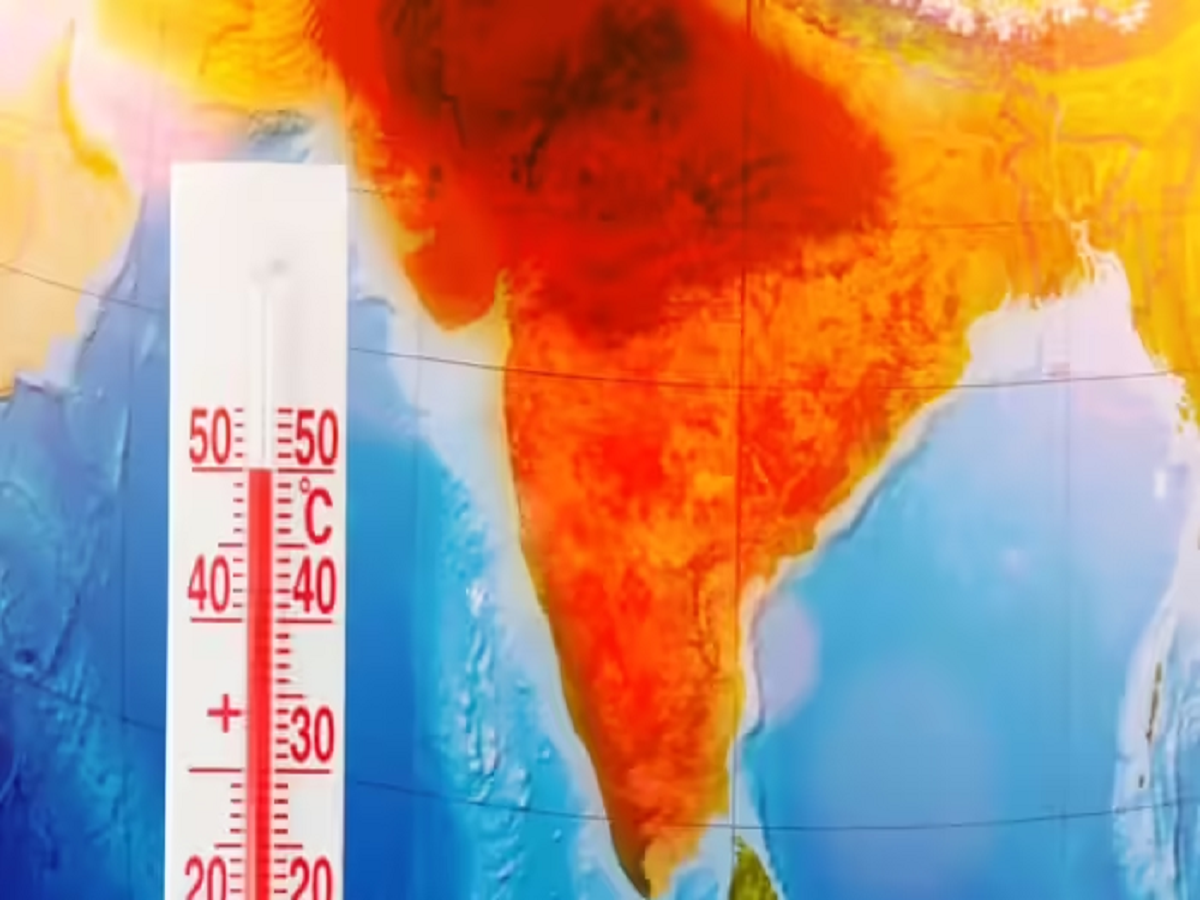
Minimum temperatures are likely to remain normal over most parts of the country, except parts of northwest India, southern peninsula and east coast, where minimum temperatures are likely to remain below normal during March.
New Delhi: The number of heat wave days is likely to be higher than normal in most parts of the country between March and May this year. The India Meteorological Department (IMD) has given this information in its monthly forecast. According to the IMD, these areas include western Rajasthan, Gujarat, Haryana, Punjab, southern and eastern Maharashtra, eastern Uttar Pradesh, Bihar, Jharkhand, Gangetic plains in West Bengal, Odisha, Chhattisgarh, Telangana, Andhra Pradesh and northern Karnataka and parts of northern Tamil Nadu.
IMD Director General Mrityunjay Mahapatra told a press conference here that the expected higher than normal number of heat wave days during March-April-May could pose significant risks to public health, water resources, power demand and essential services, especially for the elderly, children, outdoor workers and people with pre-existing medical conditions.
Temperatures here may remain below normal
However, during March, maximum temperatures are likely to be below normal over many parts of the country, except over Northeast and East India, parts of the Western Himalayan region, and Central and Peninsular India. Meanwhile, minimum temperatures are likely to be normal over most parts of the country, except over parts of Northwest India, the Southern Peninsula, and the East Coast, where minimum temperatures are likely to be below normal during March.
Average rainfall is expected to be normal
He said this could be because the average rainfall in India during March 2026 is likely to be normal. Based on data from 1971 to 2020, the long-term average rainfall (LPA) in the country during March is about 29.9 mm. According to the IMD, many parts of the country are expected to receive above-normal rainfall in March, while northeastern India and parts of northwest and east-central India may receive below-normal rainfall.
El Nino conditions may return again
According to the Meteorological Department, a weak La Niña (ocean current) condition currently prevails in the equatorial Pacific. However, global models and forecasts from the India Meteorological Department's (IMD) Monsoon Mission Climate Forecasting System (MMCFS) suggest a return to neutral El Niño Southern Oscillation (ENSO) conditions in the coming months.
There was no cold wave in the country in February.
The IMD, while reviewing the weather conditions during February, said that India recorded the lowest rainfall in February this year since the year 2001. According to it, there was no cold wave across India in February, and day temperatures were recorded above normal. The Meteorological Department said that the absence of any active western disturbances and their lack of interaction/connection with the easterly winds are the main reasons for less snowfall/rainfall this month.
The minimum temperature was also higher than normal.
The IMD said that maximum temperatures were above normal in many parts of the country except the southern peninsula and parts of central India. Minimum temperatures were also above normal in many parts of India except the eastern peninsula and east-central India. The IMD said that as per the February data in India since 1901, 2026 ranked 10th in maximum temperatures, third in minimum temperatures and fifth in average temperatures.
PC:NBT