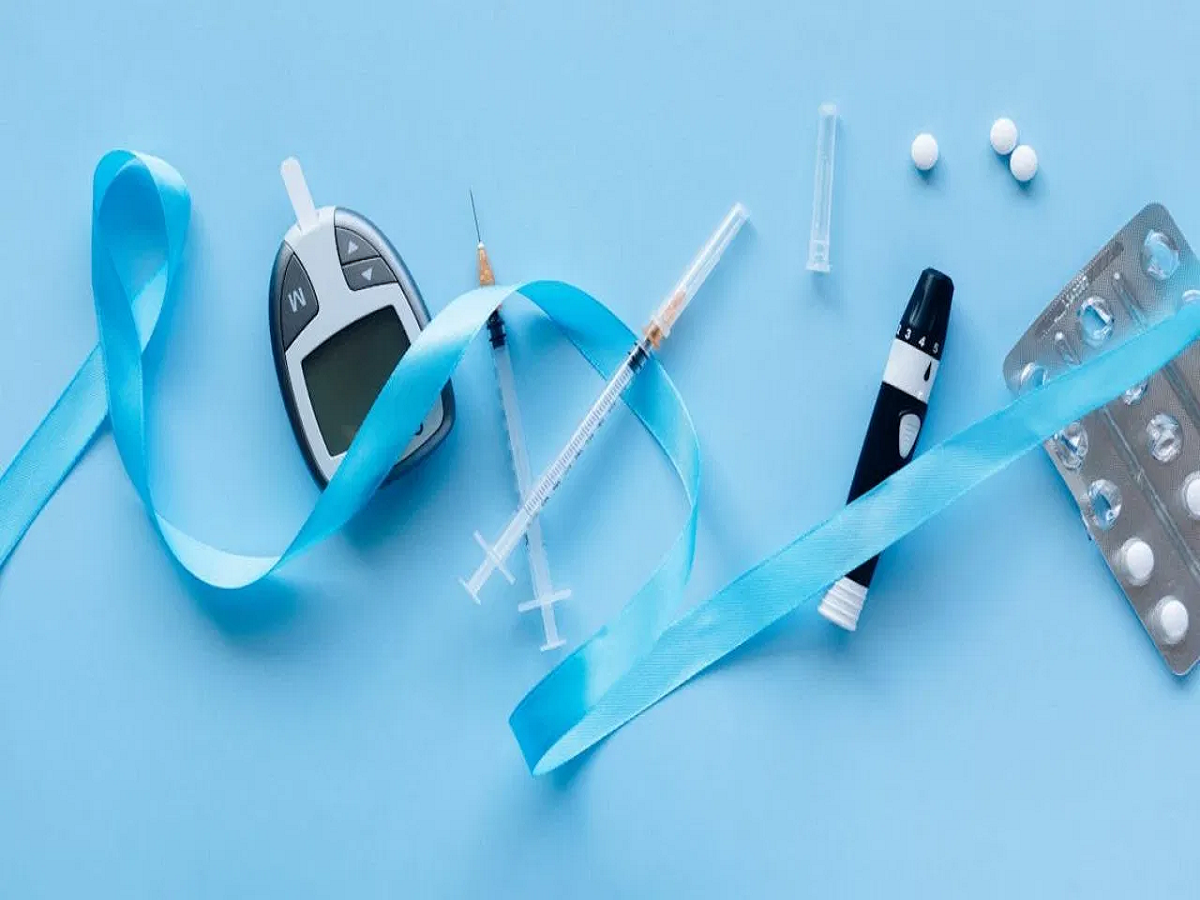
Even with a healthy diet and lifestyle, low fasting blood sugar (hypoglycemia) can be harmful. According to Dr. L.H. Ghotekar of Lady Hardinge Medical College, Delhi, low sugar levels are as dangerous as high sugar levels and can worsen a patient’s health if ignored. Sometimes, a person’s post-meal or HbA1c levels may appear normal, but fasting sugar below 70 mg/dL signals a problem.
Why Fasting Sugar Can Be Low
-
Skipping Dinner – Missing your evening meal deprives the body of carbohydrates and protein, reducing morning glucose levels.
-
Liver Problems – The liver stores glucose. If it is not functioning properly, fasting sugar may drop.
-
Pancreas Issues – Rarely, low fasting sugar may indicate a pancreas-related problem.
Symptoms of Low Fasting Sugar
-
Sudden dizziness
-
Sweating
-
Nervousness or anxiety
-
Blurred vision
Note: Sometimes symptoms are subtle, and people ignore them until the condition worsens.
How to Maintain Fasting Sugar Levels
-
Do not skip dinner; have a light, balanced meal.
-
Avoid exercising on an empty stomach.
-
Treat any liver-related issues under medical supervision.
-
Do not reduce diabetes medication on your own; always consult your doctor.
When to See a Doctor
If your fasting sugar drops below 70 mg/dL, consult a doctor immediately. Early intervention prevents serious complications and keeps your blood sugar stable.