INTERNATIONAL
America Seeks Reconciliation as Iran War Stalls; President Trump Faces Domestic and Strategic Pressures
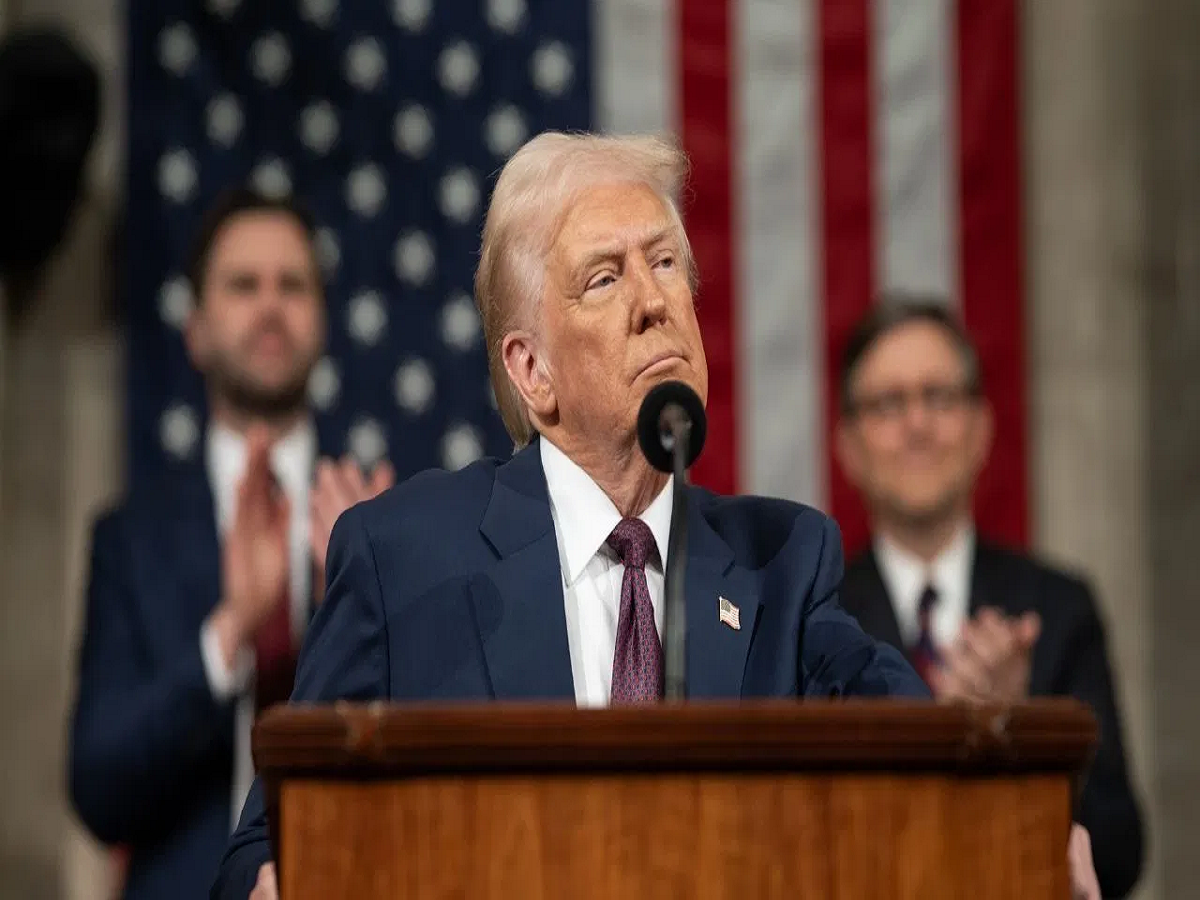
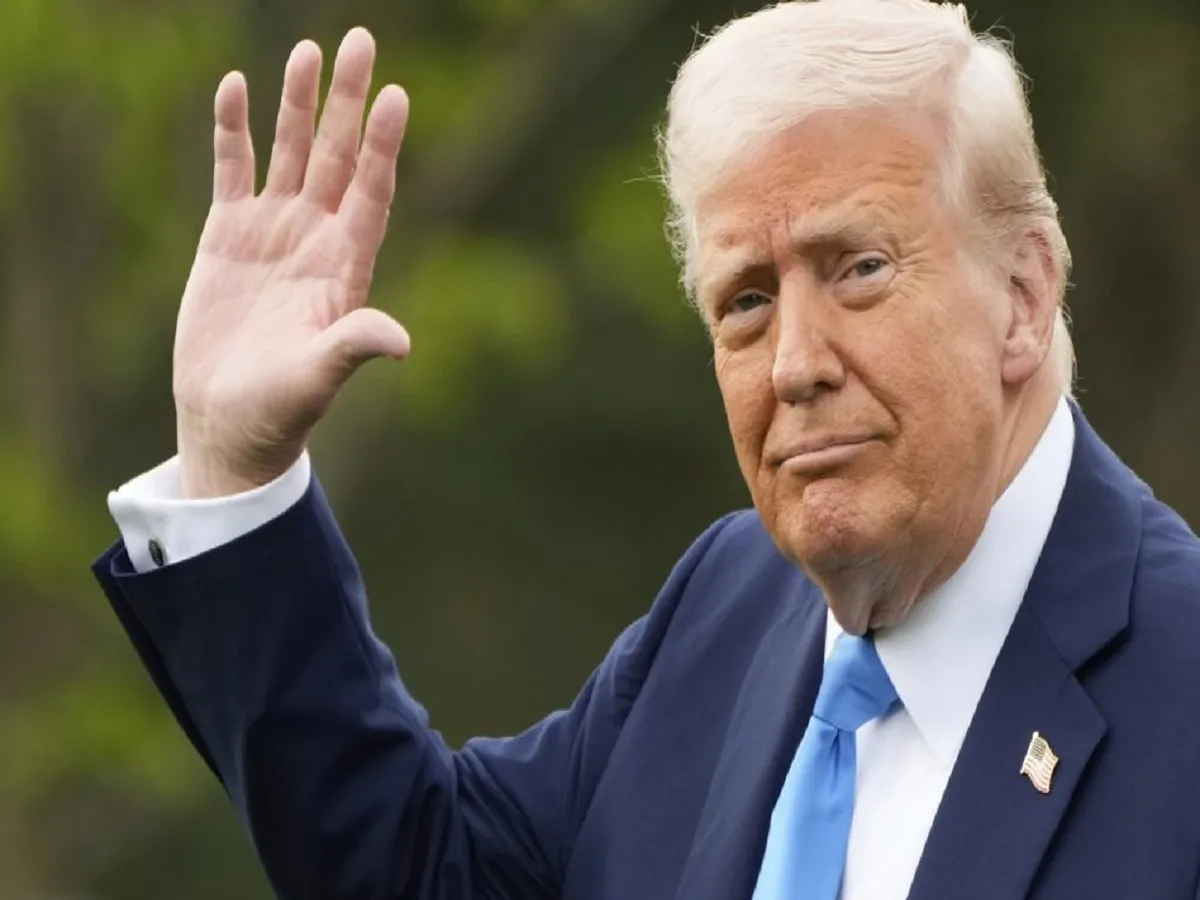
Ten days into the ongoing conflict between the United States and Iran, President Donald Trump is reportedly exploring a path to reconciliation. Advisors have warned that a prolonged war could inflict significant harm on the US, both economically and politically, particularly in light of the upcoming midterm elections. On March 10, Trump signaled intentions to bring the conflict to an early resolution.
Reports from the Wall Street Journal indicate that the US currently sees no tangible economic or military gains from the conflict. Early objectives, including a coup and the elimination of Iran’s top leadership, have failed to destabilize the country. On the second day of hostilities, the US assassinated Iran’s Supreme Leader, Ayatollah Ali Khamenei, and 40 senior commanders, while also attempting to target the President and Foreign Minister. Nevertheless, the Iranian government and public have remained resilient.
Additional pressures on Washington include:
-
Intelligence Assessments: The US National Intelligence Council reported that the attacks are unlikely to trigger a coup, as Iranian citizens did not mobilize against the leadership.
-
Public Opinion: A Quinnipiac University survey found that 53 percent of Americans oppose military action against Iran, while 44 percent believe the US is excessively supporting Israel. Secretary of State Marco Rubio acknowledged that Israel was a motivating factor in the US strike.
-
Rising Costs: US military expenditure has surged, with $5.6 billion spent on ammunition in the first two days and over $10 billion cumulatively in the first ten days, according to reports.
In response, Iran’s Foreign Minister Abbas Araghchi stated that US plans to stage a coup failed and that Washington’s subsequent “Plan B” is also unlikely to succeed.
The conflict’s trajectory highlights the limits of military intervention, domestic political considerations in the US, and Iran’s continuing resilience, suggesting that diplomatic engagement may become increasingly urgent.