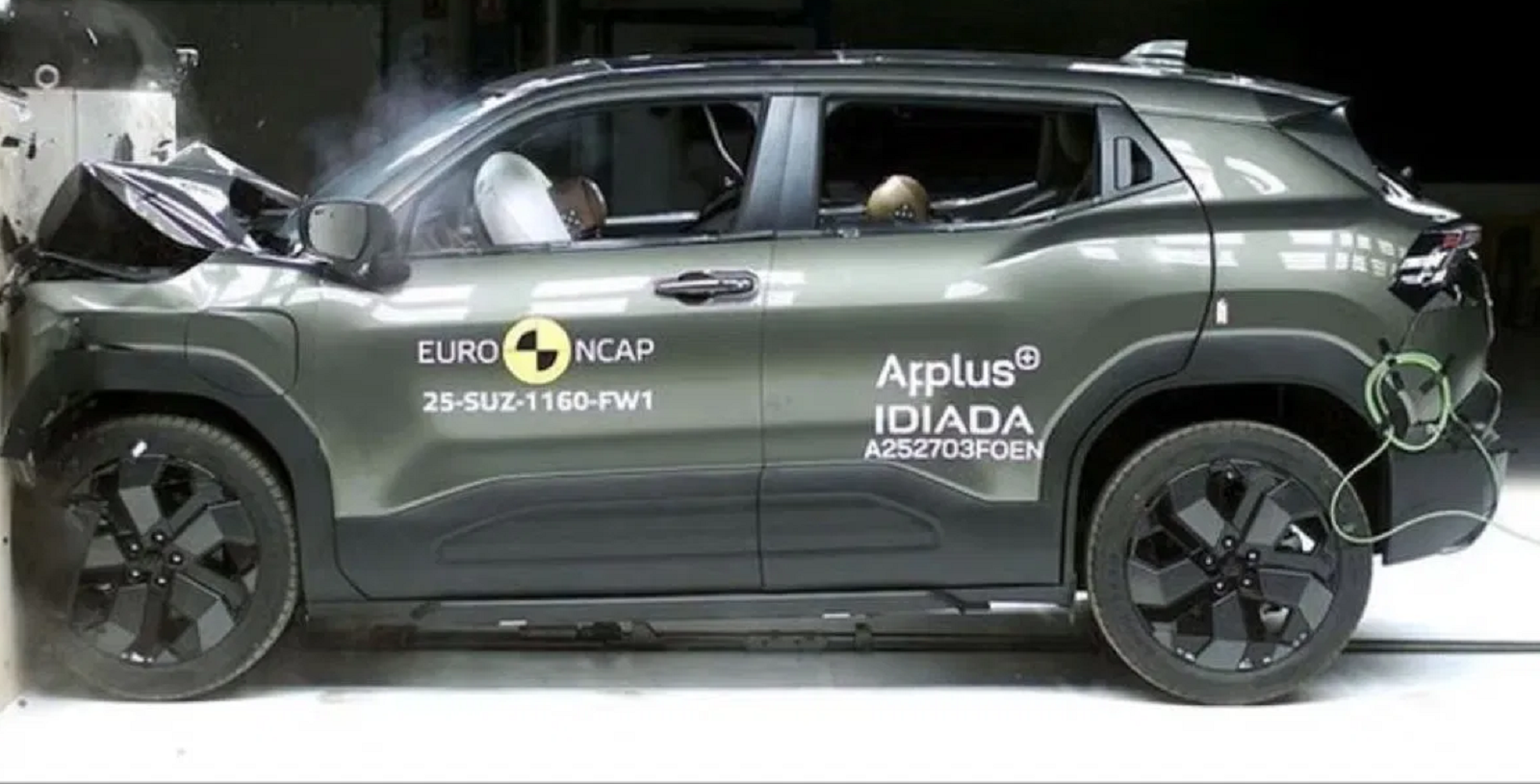
A major shift in automobile safety standards is coming in 2026, as Europe’s safety agency, Euro NCAP, introduces new testing protocols that could impact car manufacturers worldwide. While a 5-star Euro NCAP rating has long symbolized vehicle safety, the upcoming regulations emphasize that cars must actively prevent accidents and ensure the safety of every passenger—not just meet basic requirements.
Focus on the Driver and Cabin Design
The most significant change targets the driver and interior design. Modern cars increasingly rely on touchscreen consoles for controls and information, replacing traditional instrument clusters. Euro NCAP wants drivers to keep their eyes on the road at all times, as even a two-second distraction can cause serious accidents.
Under the new rules, physical buttons, tactile feedback, and intuitive controls will be valued over touchscreen-only interfaces, encouraging automakers to rethink cabin ergonomics and minimize distractions.
Advanced Monitoring and Adaptive Safety Systems
Euro NCAP will also raise expectations for driver monitoring systems. Cars must continuously track:
-
Eye movements
-
Head position
-
Signs of fatigue or intoxication
Additionally, technologies such as child-in-cabin detection, seat belt reminders, and adaptive airbags will undergo stricter testing. Even minor flaws in these systems could negatively affect a vehicle’s safety rating and consumer confidence.
Implications for Automakers and Consumers
For manufacturers, these changes present a design challenge: stylish vehicles that fail to meet monitoring and safety standards may no longer achieve 5-star ratings. For consumers, however, the updates promise enhanced accident prevention, improved passenger safety, and more effective emergency response after crashes.
A New Era of Automotive Safety
The Euro NCAP 2026 regulations highlight that vehicle safety standards evolve alongside technology. Future cars will require smart designs and proactive systems to protect drivers, passengers, and first responders, ushering in a new era of safety-conscious automotive engineering.