BUSINESS
PAN Card and Aadhaar Updates: 7 Important Rules Every Indian Should Know to Avoid Financial Problems
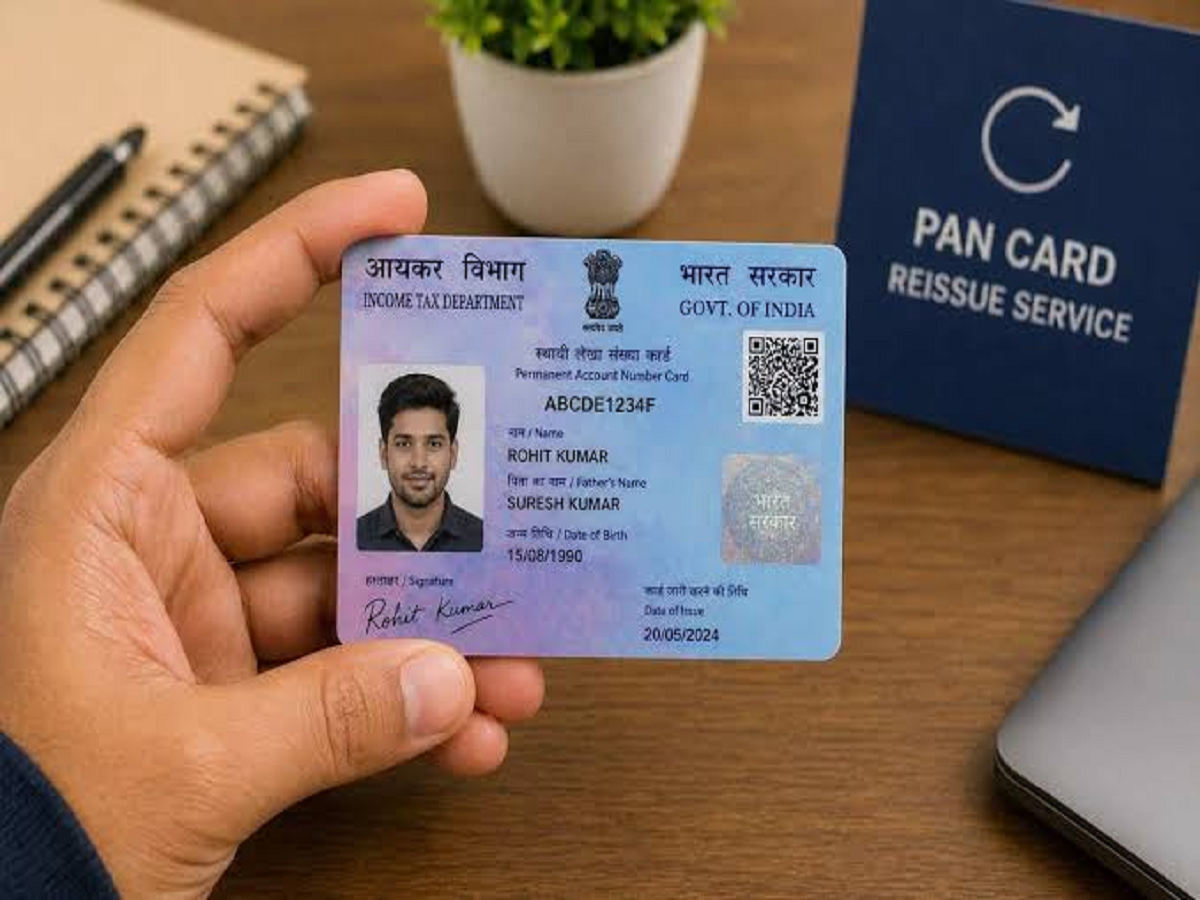
Your PAN card and Aadhaar card are among the most important documents for accessing financial services and government facilities in India. From filing income tax returns and opening bank accounts to completing KYC verification and receiving eligible benefits, these documents play a significant role in everyday life.
However, many people overlook important details, such as updating personal information, checking linked mobile numbers and protecting their identity details from misuse. A small mistake in your documents can sometimes lead to verification delays or difficulties when accessing services.
Here are seven important things every Indian should know about managing PAN and Aadhaar documents.
1. Check Whether Your PAN Is Linked to Aadhaar
PAN–Aadhaar linking is an important requirement under India's income tax framework, subject to applicable exemptions. Failure to comply can result in PAN becoming inoperative, which may affect certain financial transactions and tax-related activities.
You can check your linking status through the official Income Tax Department portal at incometax.gov.in.
If your PAN is not linked, check the latest instructions, applicable deadlines and any fee requirements before proceeding. Certain categories of individuals are exempt under the applicable rules.
2. Keep Your Aadhaar Details Updated
If your address, mobile number or other personal details have changed, check whether your Aadhaar information needs updating.
An outdated address or inaccessible registered mobile number can create difficulties during online verification and when using Aadhaar-based services.
Visit the official UIDAI website at uidai.gov.in to check which details can be updated online and which changes require visiting an authorised Aadhaar enrolment or update centre.
Always use official channels rather than relying on unknown agents who promise instant updates.
3. Avoid Having Multiple PAN Cards
Under Indian tax law, an individual should not hold more than one PAN. Having multiple PAN cards can create compliance issues and may attract penalties under the applicable provisions.
If you have accidentally received more than one PAN, contact the Income Tax Department to understand the correct procedure for surrendering the additional PAN.
Also, remember that correcting an error in an existing PAN is different from applying for a new PAN. Check the appropriate correction service before submitting an application.
4. Protect Your Aadhaar Number From Misuse
Your Aadhaar details should be shared carefully. Although Aadhaar is widely used for identity verification, you should avoid uploading or sending a full copy of your document to unverified individuals or websites.
UIDAI provides a Masked Aadhaar option in which the first eight digits of the Aadhaar number are hidden, leaving only the last four visible.
Where accepted, a masked copy can help limit unnecessary exposure of your full Aadhaar number. However, always check the document requirements of the organisation requesting verification.
5. Verify Your PAN Details Before Filing Income Tax Returns
A mismatch in your name, date of birth or other personal information across records can create verification difficulties.
Before filing your income tax return, check whether your PAN details match the information in your tax records and other relevant documents.
If you identify an error, use the official PAN correction process rather than applying for another PAN. Correct details can help reduce avoidable delays in tax-related services.
6. Never Share OTPs With Unknown Callers
Fraudsters sometimes impersonate bank officials, government representatives or tax department employees to obtain OTPs and other confidential information.
Remember these basic precautions:
-
Never share an OTP with an unknown caller.
-
Do not disclose banking passwords or PINs.
-
Avoid clicking suspicious links claiming that your PAN or Aadhaar will be blocked immediately.
-
Verify requests through the official website or customer support channel of the relevant organisation.
A genuine-looking message does not automatically mean that it comes from a government department.
7. Use Only Official Government Websites
Fake websites can imitate government portals and collect personal information or application fees.
For PAN-related services, begin with the official Income Tax Department website. For Aadhaar services, use the UIDAI website.
Before entering personal details, check the website address carefully and avoid links received through unsolicited messages. Do not assume that a website is official merely because it displays a government logo.
What Should You Do If Your Documents Have Errors?
If you discover incorrect information, first identify which document contains the error. Then check the official correction procedure for that document and prepare the required supporting documents.
For PAN corrections, use the authorised PAN service provider or the relevant Income Tax Department facility. For Aadhaar corrections, follow UIDAI's current instructions.
Keep your acknowledgement number or application reference safe so you can track the request.
Final Takeaway
PAN and Aadhaar are important parts of India's financial and identity verification systems, but managing them properly requires more than simply keeping the cards in your wallet.
Check your PAN–Aadhaar linking status, maintain accurate personal information, protect your identity details and use only authorised websites for updates. These simple precautions can help you avoid unnecessary compliance problems and reduce the risk of identity-related fraud.
Most importantly, verify current rules and deadlines through official government sources before taking action, as eligibility requirements and procedures can change.