BUSINESS
Electricity Bill Relief: PM Surya Ghar Yojana Can Help Households Save Money With Rooftop Solar
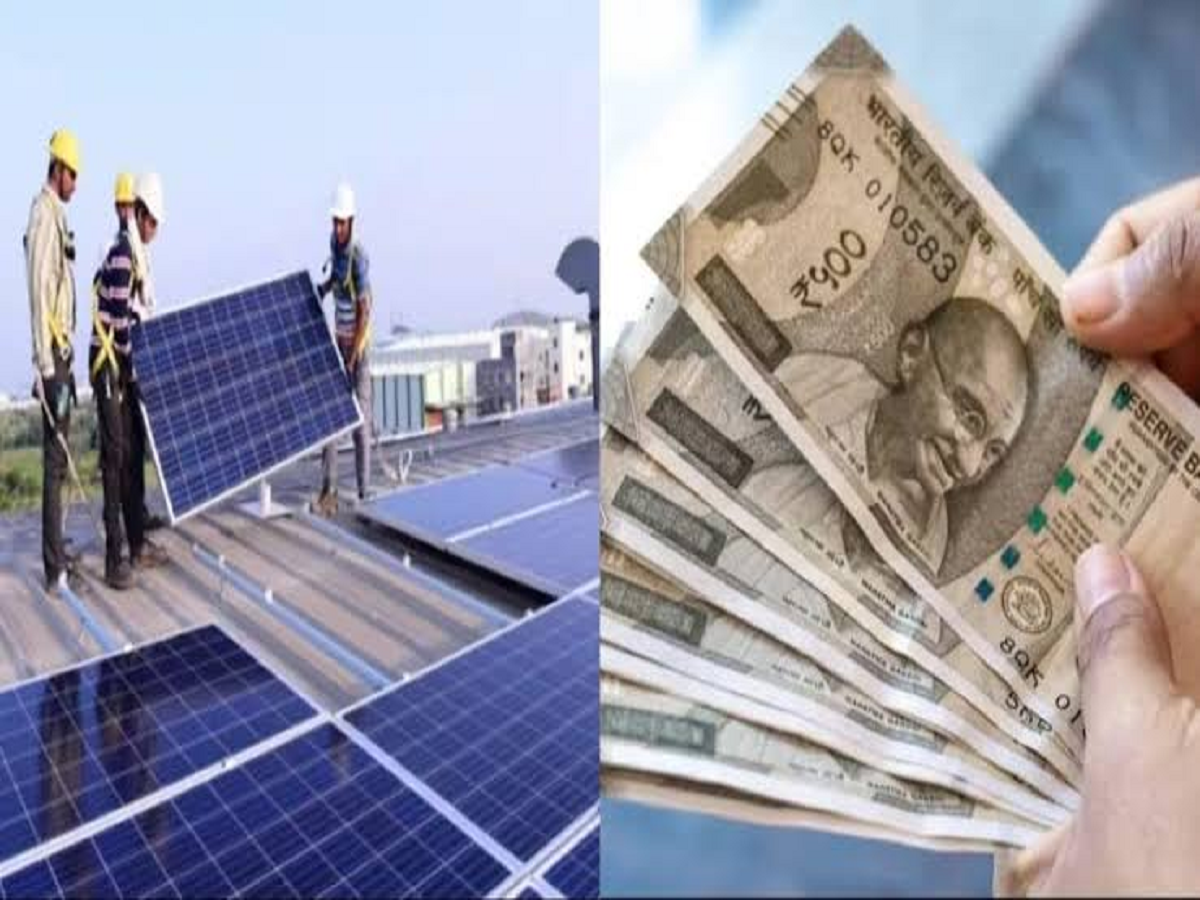
Rising electricity consumption during hot summers and the growing use of air conditioners, refrigerators and other appliances can push household power bills higher. For families looking to reduce their monthly electricity expenses, the central government’s PM Surya Ghar: Muft Bijli Yojana offers financial assistance for installing rooftop solar systems.
The scheme aims to help residential households generate their own electricity, reduce dependence on grid power and adopt cleaner energy. It is also part of the government’s wider push to expand rooftop solar installations across the country.
What Is PM Surya Ghar: Muft Bijli Yojana?
PM Surya Ghar: Muft Bijli Yojana is a central government initiative that supports eligible residential consumers in installing rooftop solar systems.
Instead of depending entirely on electricity supplied by the distribution company, households can generate power through solar panels installed on their rooftops. Depending on the system’s capacity, electricity consumption and local conditions, this can help reduce the amount of electricity purchased from the grid.
The scheme provides central financial assistance for eligible installations completed according to its rules.
How Much Subsidy Can You Receive?
Under the central subsidy structure for eligible residential rooftop solar installations, the assistance is generally calculated as follows:
-
₹30,000 per kW for the first 2 kW.
-
₹18,000 per kW for the additional capacity between 2 kW and 3 kW.
-
A maximum central subsidy of ₹78,000 for systems of 3 kW or more in the applicable general states and Union Territories.
Special-category states and Union Territories may have different subsidy rates.
For example, an eligible household installing a 2 kW rooftop solar system may qualify for a central subsidy of ₹60,000 under the applicable general-category rates. A qualifying system of 3 kW or more may receive up to ₹78,000.
The subsidy does not necessarily cover the entire installation cost. The consumer usually has to pay the remaining amount, and the final savings depend on installation costs, electricity usage, sunlight conditions and applicable electricity tariffs.
Who Can Apply for the Scheme?
The scheme is intended for eligible residential electricity consumers. Applicants generally need to meet these conditions:
-
Have a valid residential electricity connection.
-
Have suitable rooftop space for installing solar panels.
-
Choose an eligible rooftop solar system and an appropriately registered vendor.
-
Follow the technical requirements and application process prescribed under the scheme.
-
Avoid claiming the same central subsidy again for an installation that has already received the applicable assistance.
Eligibility and installation requirements should be checked on the official portal before making a purchase.
How to Apply for the Subsidy
The application process is designed to be completed through the official national portal.
Step 1: Visit the official website.
Go to the PM Surya Ghar portal at pmsuryaghar.gov.in.
Step 2: Register your electricity connection.
Select your state and electricity distribution company, then enter the required consumer details.
Step 3: Submit the application.
Provide the information requested by the portal and follow the instructions for technical approval and installation.
Step 4: Choose an eligible vendor.
After completing the required application steps, select a registered vendor and arrange the installation in accordance with the scheme’s specifications.
Step 5: Complete the required verification.
After installation, submit the required details and complete the applicable inspection, commissioning and metering procedures.
Step 6: Apply for subsidy disbursement.
Submit the necessary information through the portal and ensure that your bank details and other required records are correct. The subsidy is released after the applicable verification and approval process.
Consumers should avoid paying unofficial agents who promise guaranteed approval or faster subsidy transfers.
Does Rooftop Solar Really Make Electricity Free?
The phrase “Muft Bijli” can create the impression that every household will receive an unlimited supply of free electricity. That is not how rooftop solar works.
Solar panels generate electricity when sunlight is available. The amount produced depends on the system’s capacity, weather, shading and maintenance. Households may still need grid electricity, particularly at night or when solar generation is insufficient.
The scheme’s objective is to help eligible households generate solar power and reduce their electricity expenses. Actual savings vary from one home to another.
Important Things to Check Before Installing Solar Panels
Before investing, compare quotations from registered vendors and check the quality and capacity of the proposed equipment. Ask about installation charges, warranties, maintenance and the expected generation of the system.
Also confirm the applicable rules with your electricity distribution company, including requirements relating to net metering or other permitted arrangements for exporting surplus electricity.
Do not assume that a larger system will always deliver proportionately greater savings. The right capacity depends on your consumption pattern, rooftop conditions and local electricity rules.
Why Is the Scheme Important?
The expansion of rooftop solar can help households manage electricity expenses over time while increasing the use of renewable energy.
In June 2026, the government reported that the scheme had crossed 40 lakh beneficiary households, with a target of reaching more than 75 lakh households by December 2026.
However, individual benefits depend on eligibility, installation quality and actual electricity generation.
The Bottom Line
PM Surya Ghar: Muft Bijli Yojana provides eligible residential households with an opportunity to reduce the upfront cost of rooftop solar through central financial assistance. The maximum central subsidy under the general-category structure is ₹78,000 for qualifying systems of 3 kW or more.
Before applying, verify your eligibility, compare registered vendors and understand the full installation cost. Use the official portal for registration and subsidy-related updates rather than relying on unverified advertisements or promises.