AUTO
NHAI Introduces Barrier-Free Tolling in Tamil Nadu: Vehicles Can Pay Without Stopping, Here’s How MLFF Works
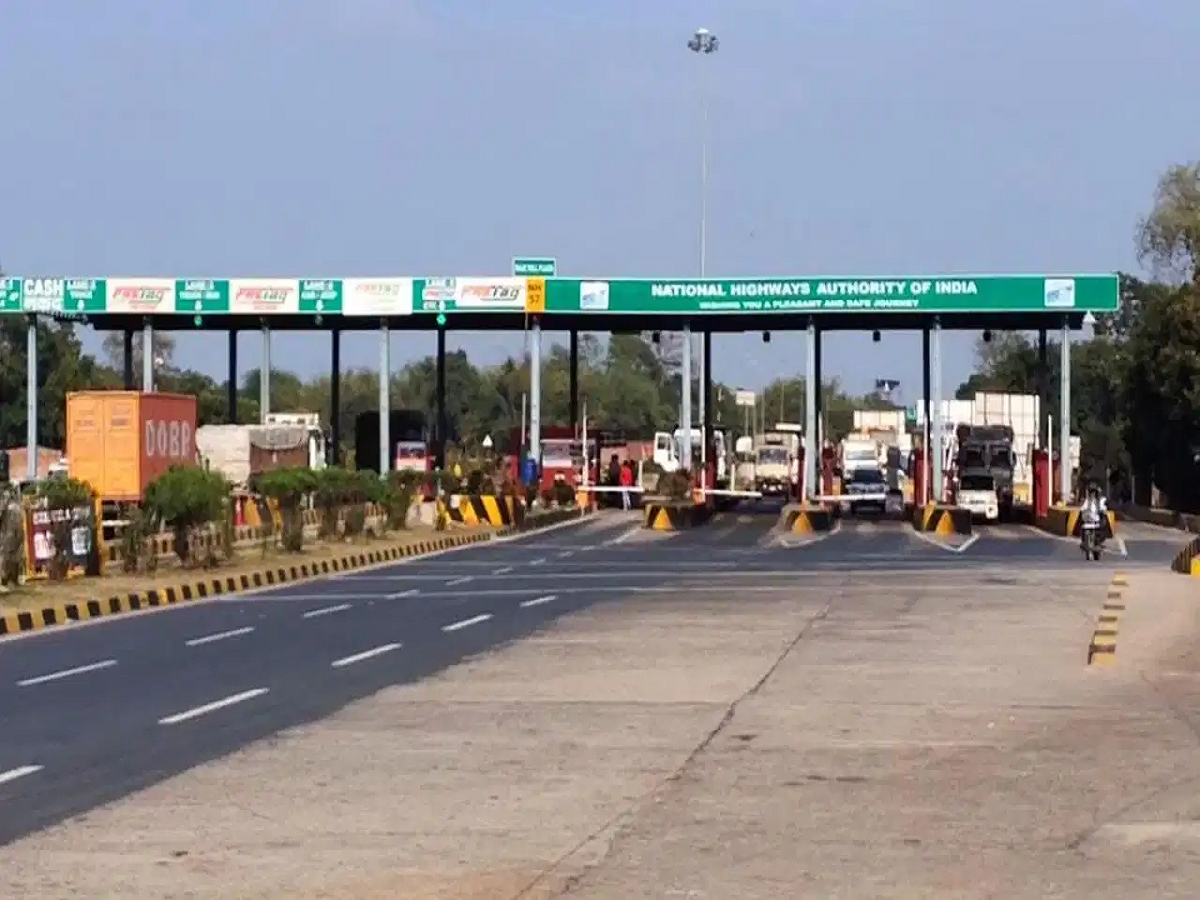
Highway travel in India is gradually moving toward a faster and more seamless toll collection system. The National Highways Authority of India (NHAI) has introduced a Multi-Lane Free Flow (MLFF) tolling system in Tamil Nadu, allowing vehicles to pass through the tolling point without stopping at conventional barriers.
According to the information available, the technology has been introduced at the Paranur toll plaza on the Tambaram-Tindivanam highway section.
Unlike conventional toll plazas, where vehicles often slow down or stop while FASTag transactions are processed, MLFF is designed to identify vehicles and collect applicable toll charges while traffic continues moving.
The system combines technologies such as FASTag and Automatic Number Plate Recognition (ANPR) cameras to make electronic toll collection possible without physical barriers.
What Is the Multi-Lane Free Flow Tolling System?
Multi-Lane Free Flow tolling is essentially a barrier-less method of collecting highway tolls.
Under the conventional system, vehicles enter designated lanes and pass through a toll booth or barrier. Even with FASTag, congestion can develop when large numbers of vehicles reach a toll plaza simultaneously or when a transaction takes additional time.
MLFF aims to remove this bottleneck.
Vehicles equipped with a valid FASTag can continue driving through the designated tolling area without stopping at a physical gate. Electronic systems identify the vehicle and process the applicable toll charge automatically.
The objective is to create a smoother highway experience while reducing queues at toll collection points.
How Will FASTag and ANPR Cameras Work?
Two technologies play an important role in the MLFF system—FASTag and ANPR cameras.
FASTag is already widely used for electronic toll payments across India's national highway network. Under the barrier-free system, FASTag continues to facilitate toll transactions without requiring drivers to make cash payments.
At the same time, Automatic Number Plate Recognition cameras can capture and identify a vehicle's registration number as it passes through the tolling zone.
The combination of vehicle identification and electronic payment technology enables toll collection without requiring conventional boom barriers.
For motorists, this means fewer interruptions during highway journeys.
Less Waiting at Toll Plazas
One of the biggest expected benefits of MLFF technology is a reduction in congestion around toll plazas.
Traditional toll collection points can become traffic bottlenecks, particularly during holidays, weekends and peak travel periods. Even a brief stop by each vehicle can result in significant queues when traffic volumes are high.
If vehicles can continue moving while their toll payments are processed, waiting times at such locations could be reduced considerably.
The system may also help motorists save fuel because vehicles will not need to repeatedly slow down, stop and accelerate while passing through toll plazas.
Fewer idling vehicles could also help reduce emissions around heavily used toll collection areas.
Toll Collection Could Become More Efficient
MLFF is also designed to reduce the amount of manual intervention required during routine toll collection.
Because vehicle identification and payment processing are largely electronic, the system could make transactions faster and improve the overall efficiency of toll operations.
NHAI's broader shift toward barrier-free tolling is aimed at creating a more seamless national highway network where toll payments cause minimal disruption to traffic.
The technology could also reduce the physical infrastructure required for traditional toll plazas over time.
MLFF Technology Being Introduced at Other Locations
Barrier-free tolling is being rolled out gradually rather than replacing every conventional toll plaza immediately.
According to the details available, MLFF technology has also been introduced or integrated at selected tolling locations in other states.
These include the Choryasi toll plaza on the Surat-Bharuch stretch of NH-48 in Gujarat and the Mundka-Bakkarwala tolling point on Urban Extension Road-II (UER-II) in the Delhi-NCR region.
Locations on the Delhi-Jaipur NH-48 corridor in Rajasthan, including Shahjahanpur, Daulatpura and Manoharpura, have also been associated with the rollout.
The Gharaunda toll plaza on the Panipat-Jalandhar section of NH-44 in Haryana is another location where MLFF technology has been integrated, according to the information provided.
FASTag Users Need to Keep Their Accounts Active
The move to barrier-free tolling does not eliminate the importance of FASTag.
Motorists travelling through an MLFF-enabled tolling point should ensure that their FASTag is active, properly linked and has sufficient balance or a valid payment arrangement.
Because there may no longer be a conventional toll barrier where payment issues can be resolved immediately, maintaining an operational FASTag becomes particularly important.
If a vehicle's FASTag is unavailable, invalid or fails to complete the required transaction, the system may use vehicle identification technology to record the passage. Depending on the applicable rules and circumstances, the vehicle owner could subsequently receive an electronic notice.
Drivers should therefore regularly check their FASTag status before undertaking highway journeys.
What Does Barrier-Free Tolling Mean for Highway Users?
For motorists, the most noticeable change is simple: there may be no need to stop at a toll barrier to complete the payment.
The vehicle continues through the tolling area while cameras and electronic systems identify it and process the applicable charge.
If implemented effectively, the system could deliver several advantages, including smoother traffic movement, shorter travel times, reduced fuel consumption caused by unnecessary idling and fewer queues around toll plazas.
However, motorists will still be responsible for ensuring that their vehicle and FASTag details are compliant with applicable tolling requirements.
More Highways Could Get MLFF in Future
NHAI plans to expand barrier-free tolling in phases across suitable stretches of the national highway network.
The broader objective is to make highway journeys faster and more convenient while modernising India's electronic toll collection infrastructure.
For drivers accustomed to slowing down and waiting at toll barriers, MLFF represents an important change in how highway tolls can be collected. Instead of the toll plaza becoming a mandatory stopping point, the payment process increasingly moves into the background while the vehicle remains on the move.
As the technology expands to additional highways, keeping FASTag accounts active and vehicle registration information updated will become increasingly important for motorists using India's evolving barrier-free toll network.