AUTO
Hybrid Cars Use Petrol, So Why Do They Deliver Such High Mileage? Here’s How the Technology Works
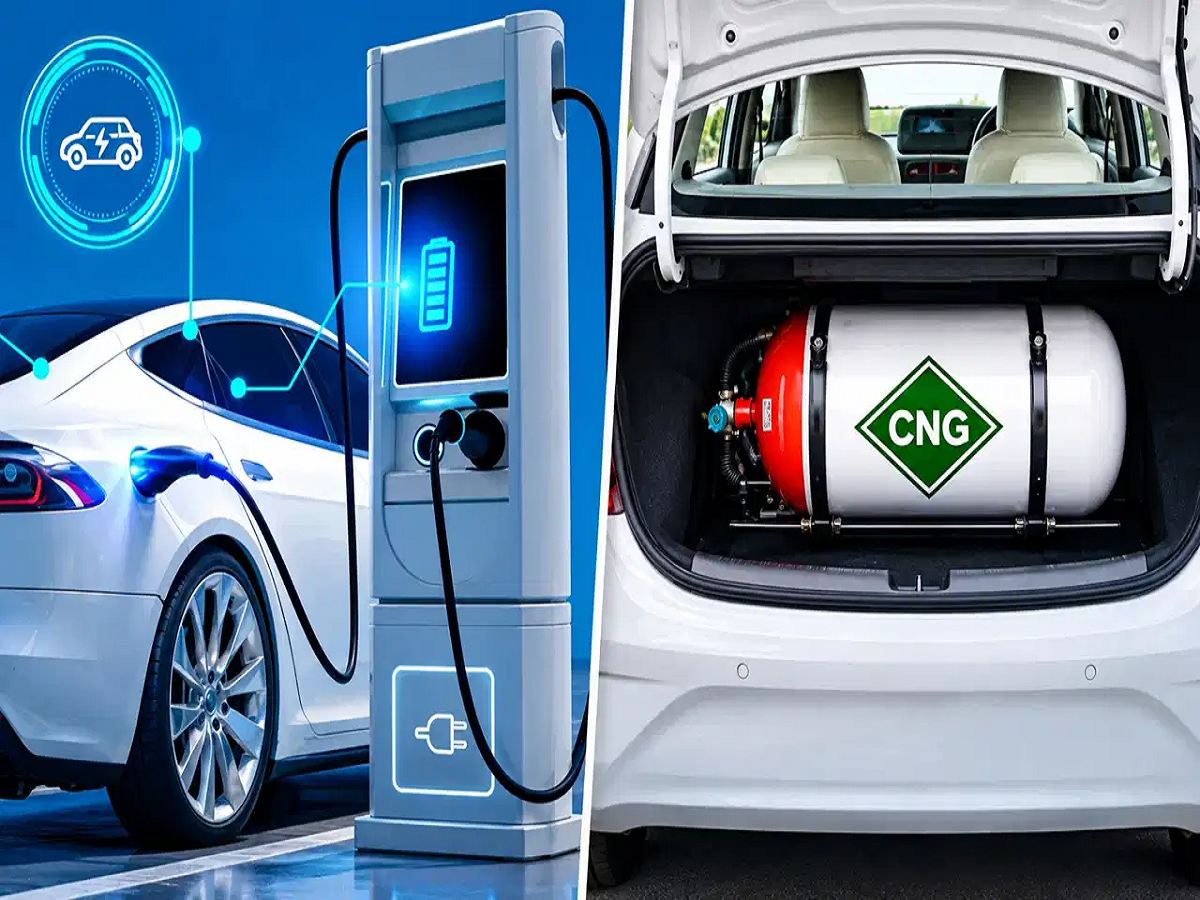
With petrol prices and everyday running costs remaining important considerations for car buyers, choosing between a petrol vehicle, an electric car and a hybrid can be confusing. Electric vehicles can offer lower running costs, but charging availability and long-distance travel remain considerations for some buyers. Conventional petrol cars, meanwhile, offer familiar convenience but depend entirely on fuel.
This is where hybrid cars enter the picture.
A hybrid still uses petrol, yet some strong-hybrid models can deliver significantly better fuel efficiency than comparable conventional petrol vehicles. The reason isn't that hybrids have discovered a way to make petrol itself more efficient. Instead, they combine an internal-combustion engine, electric motor and battery, allowing the vehicle to reduce how often—and how inefficiently—the petrol engine has to work.
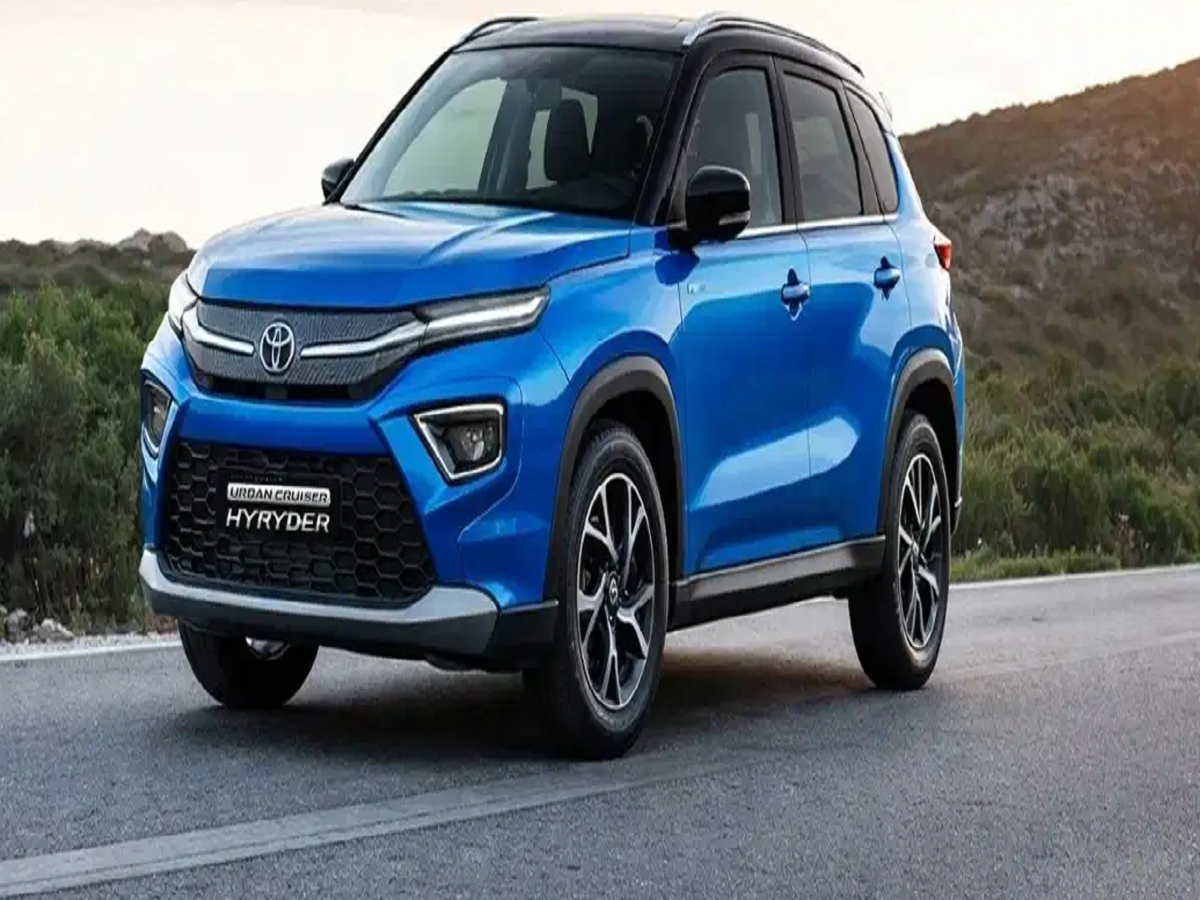
Brands including Toyota, Maruti Suzuki and Honda offer strong-hybrid vehicles in India. But how exactly does this technology save fuel? Here's a simple explanation.
How Does a Hybrid Car Work?
A Hybrid Electric Vehicle (HEV) uses two sources of propulsion: a petrol engine and one or more electric motors powered by a battery.
The vehicle's control system decides how these components should be used depending on speed, battery charge, acceleration demand and driving conditions.
In certain situations, particularly at low speeds and under light loads, a strong hybrid may move using its electric motor with the petrol engine switched off. At other times, the petrol engine provides power.
When additional performance is required, such as during strong acceleration, the engine and electric motor may work together.
The driver generally doesn't need to manually switch between the two systems. The vehicle manages the process automatically.
If It Still Burns Petrol, Why Is Mileage Higher?
The key advantage is that the petrol engine does not have to perform all the work all the time.
A conventional petrol car is particularly inefficient in stop-and-go traffic. The engine may continue consuming fuel while the vehicle is stationary, and repeatedly accelerating a vehicle from low speeds requires considerable energy.
A strong hybrid can reduce some of these losses.
For example, the electric motor may assist or propel the car during low-speed driving and initial acceleration. Depending on the hybrid system and conditions, the petrol engine can switch off when it isn't required.
That means less fuel can be consumed during situations where a conventional engine would otherwise operate inefficiently.
Regenerative Braking Is Another Important Trick
Hybrid cars also recover some energy that would otherwise be wasted during deceleration.
In a conventional car, braking primarily converts the vehicle's kinetic energy into heat through the braking system.
A hybrid can use its electric motor as a generator during suitable braking or deceleration. Some of the vehicle's kinetic energy is converted into electricity and stored in the hybrid battery.
This process is known as regenerative braking.
The stored electricity can later power the electric motor, reducing the amount of work required from the petrol engine.
It isn't free energy—the system is recovering part of the vehicle's existing energy—but it helps improve overall efficiency.
Why Hybrids Can Be Particularly Efficient in Cities
Urban traffic creates conditions in which hybrid technology can be especially useful.
Think about a typical commute: accelerate, slow down, stop at a signal, move again, brake for traffic and repeat.
A conventional petrol engine handles almost every one of these stages using fuel. A strong hybrid can use its electric motor during some low-speed situations, shut down the engine when appropriate and recover energy while slowing down.
This explains why some strong hybrids can produce particularly impressive fuel-efficiency figures in urban driving.
The actual mileage, however, will vary according to traffic, temperature, driving style, vehicle load and model.
What Happens on the Highway?
Hybrids can still be efficient on highways, but their advantage over conventional petrol vehicles may differ from what drivers experience in stop-and-go city traffic.
At sustained higher speeds, the petrol engine may operate for longer periods because continuous propulsion requires substantial energy. The hybrid system can still optimise engine operation and provide electrical assistance when useful, but a strong hybrid generally cannot drive long highway distances purely on its relatively small battery.
This is an important distinction between a regular strong hybrid and a plug-in hybrid or full EV.
You Don't Normally Need to Plug In a Strong Hybrid
Another major difference between a strong hybrid and an electric vehicle is charging.
A conventional strong-hybrid battery is generally charged internally through regenerative braking and energy supplied by the vehicle's powertrain. Owners therefore don't normally plug the vehicle into a charger.
You simply refuel it with petrol like a conventional car.
This can appeal to buyers who want some benefits of electric propulsion but don't want their everyday travel to depend on public or home charging infrastructure.
Hybrid Vehicle Sales Have Been Growing in India
Demand for hybrid technology has also increased in the Indian passenger-vehicle market.
According to figures cited in the original report from government registration data, 26,460 strong-hybrid cars were sold between April and June 2025, compared with 12,111 during the corresponding period a year earlier. That represents growth of roughly 118%.
Toyota reportedly accounted for the largest portion of those strong-hybrid sales, followed by Maruti Suzuki and Honda.
The broader hybrid category has also recorded substantial growth in registrations, although figures can vary depending on whether datasets include only strong hybrids or other types of hybrid technology.
More recent industry data cited in the report indicates that hybrids continued attracting Indian buyers in 2026, alongside petrol, diesel, CNG and battery-electric vehicles.
Hybrid, EV or Petrol: What's the Difference?
The three technologies solve the efficiency problem differently.
A conventional petrol car depends on its engine for propulsion. A battery-electric vehicle eliminates the petrol engine entirely and runs using electricity stored in a large battery.
A strong hybrid sits between the two.
It retains the convenience and long-distance flexibility of petrol refuelling while using an electric motor and battery to reduce unnecessary fuel consumption.
However, hybrids have disadvantages too. Their powertrains are more complex than conventional petrol vehicles, and strong-hybrid versions may carry a higher purchase price. Whether the additional upfront cost makes financial sense depends on the price difference, annual kilometres driven, real-world fuel economy and how long the buyer plans to keep the vehicle.
The Real Reason Behind a Hybrid's High Mileage
So, how can a car that still uses petrol deliver such impressive mileage?
The answer lies in using petrol more intelligently.
A strong hybrid can switch off its engine when it isn't required, use an electric motor during suitable driving conditions, recover some energy during braking and keep the petrol engine operating closer to efficient conditions.
Instead of relying entirely on petrol every second the vehicle is moving, the hybrid powertrain continuously distributes work between the engine and electric system.
That's why strong hybrids can offer significantly better fuel efficiency than comparable conventional petrol cars—particularly in driving conditions where frequent slowing, stopping and acceleration allow the hybrid technology to do more of the work.