AUTO
CAFE-3 Rules From 2027: New Car Mileage Targets Get Tougher, EVs and Hybrids to Gain More Importance
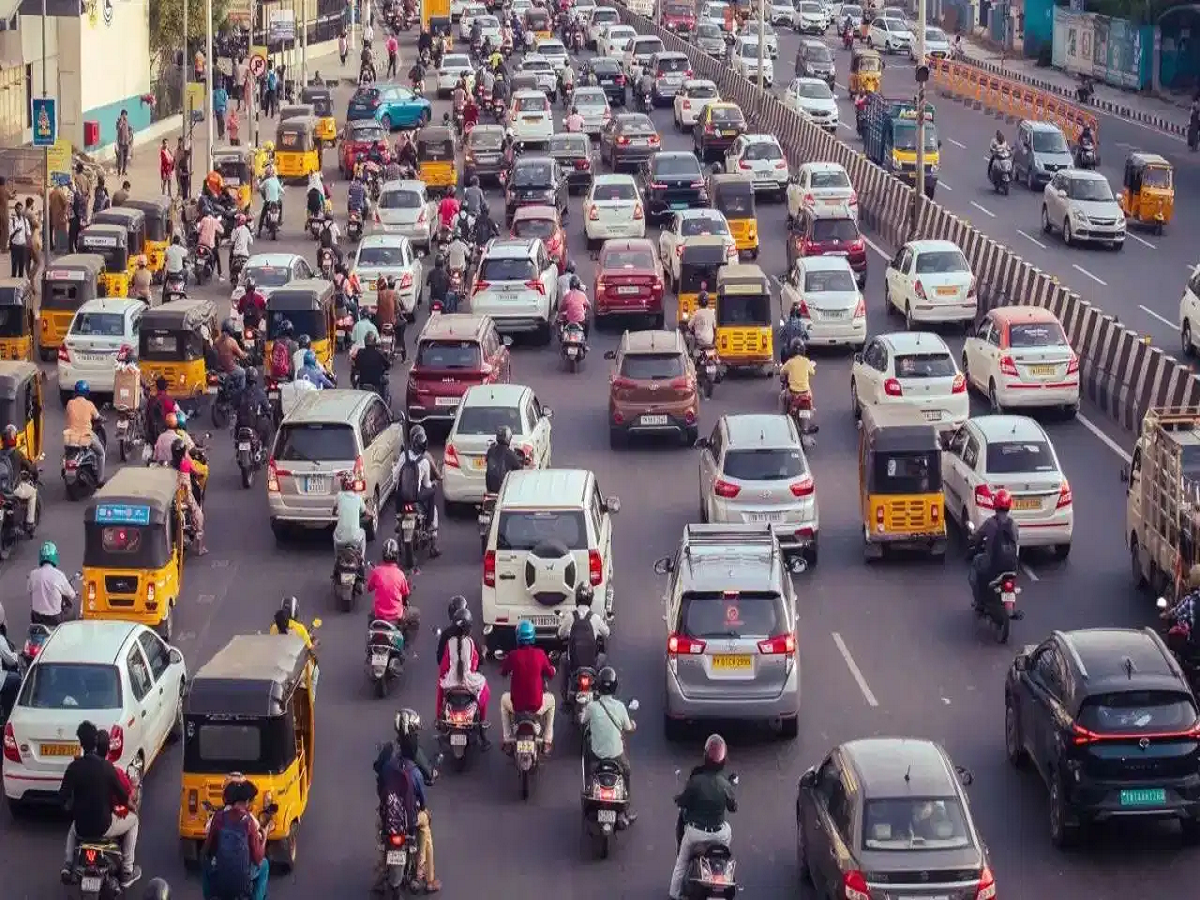
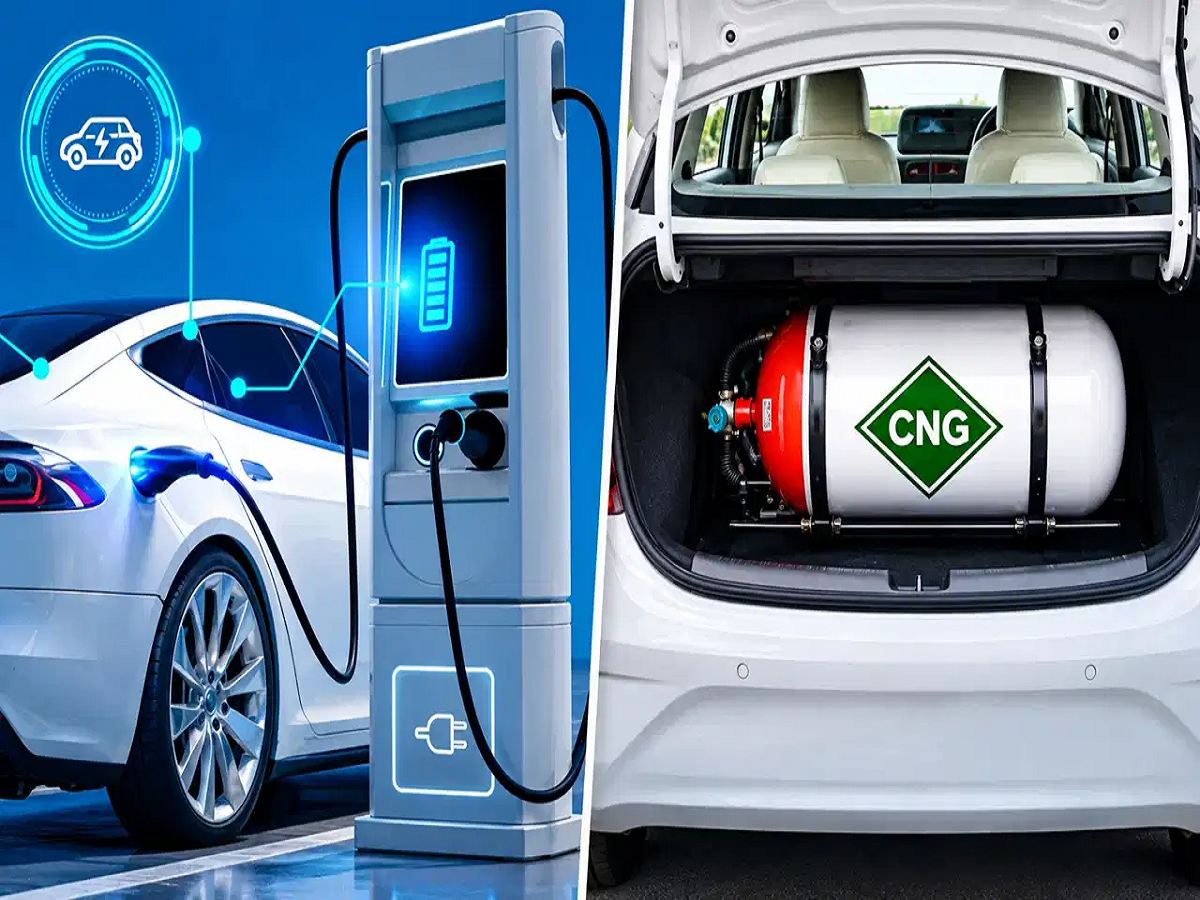
India's passenger vehicle market is preparing for another major shift as stricter fuel-efficiency and emission standards come into focus. The upcoming CAFE-3 (Corporate Average Fuel Economy) norms are expected to push automakers toward more fuel-efficient petrol and diesel vehicles while giving greater importance to electric cars, hybrids and other lower-emission technologies.
The CAFE-3 framework is scheduled to apply from April 1, 2027, to March 31, 2032, according to the details available in the proposed framework.
For customers, the changes could eventually mean a wider selection of efficient petrol cars, hybrids and electric vehicles. However, claims that EV prices will definitely fall or that every petrol car will suddenly deliver extremely high mileage should be treated carefully. The regulations primarily set fleet-level targets for manufacturers, rather than guaranteeing a particular mileage or price for every individual model.
Here's what CAFE-3 could mean for India's car market.
What Exactly Are CAFE Rules?
CAFE stands for Corporate Average Fuel Economy.
Unlike a rule that requires every individual car to achieve the same fuel economy, CAFE evaluates the overall performance of vehicles sold by an automaker.
In simple terms, the calculation takes into account the company's broader passenger-vehicle fleet rather than looking at just one hatchback, sedan or SUV.
This allows a manufacturer to sell larger vehicles with comparatively higher fuel consumption as long as more efficient models, hybrids, EVs and other eligible vehicles help keep its overall fleet performance within the prescribed limits.
That makes a company's product mix extremely important.
How Is CAFE-3 Different From CAFE-2?
India's existing CAFE Phase-II requirements took effect in April 2022.
Under the current framework cited in the report, manufacturers work with a fleet-level carbon dioxide target linked to vehicle weight. The existing benchmark has been described as equivalent to approximately 113 grams of CO2 per kilometre, with a corresponding fuel-efficiency reference of around 20.92 km per litre under specified assumptions.
CAFE-3 proposes significantly tighter requirements.
The new framework is expected to reduce the permitted fleet-average CO2 level further, encouraging manufacturers to improve the efficiency of conventional vehicles while increasing the contribution of electrified models.
Fleet-Average CO2 Target Could Fall to 91.7 g/km
Under the CAFE-3 framework described in the report, manufacturers would be required to work toward a fleet-average carbon dioxide level of approximately 91.7 grams per kilometre during the new regulatory phase.
Compared with the 113 g/km benchmark associated with the current phase, this represents a substantial tightening of efficiency requirements.
Manufacturers could therefore need to use a combination of lighter vehicles, improved engines, electrification, better transmissions and energy-saving technologies to comply.
The effect will not necessarily be identical for every manufacturer because fleet composition and vehicle weight influence the applicable calculations.
Will Every New Car Deliver 25 to 30 km/l?
No. This is one of the most important points for car buyers to understand.
The reported CAFE-3 trajectory has been associated with fleet-equivalent fuel-efficiency levels of around 25 km/l initially, potentially moving toward approximately 30 km/l by 2031-32 under relevant calculations.
That does not mean every petrol or diesel car sold in India will have to deliver 25 km/l or 30 km/l in real-world driving.
CAFE compliance is calculated at the manufacturer's fleet level under prescribed testing and regulatory methodology.
For example, an automaker may continue selling a large SUV that consumes considerably more fuel if other vehicles in its portfolio—including efficient compact cars, hybrids and EVs—help bring the company's overall fleet performance within the required limits.
Consumers should therefore not interpret the proposed CAFE figures as guaranteed mileage printed on every new car's specification sheet.
Why Could CAFE-3 Encourage More Affordable EVs?
Electric vehicles could become strategically more valuable to manufacturers under tighter fleet-emission requirements.
Selling more EVs can help an automaker improve its overall compliance position because battery-electric vehicles do not produce tailpipe CO2 emissions during operation and may receive additional regulatory treatment under the proposed framework.
As a result, companies may have a stronger incentive to expand their EV portfolios.
Manufacturers such as Tata Motors, Mahindra, Hyundai Motor India, Maruti Suzuki and JSW MG Motor India are already competing across different segments of India's passenger-vehicle market.
Stricter CAFE requirements could encourage manufacturers to introduce additional electric models, including products aimed at more price-sensitive buyers.
However, CAFE-3 by itself does not guarantee lower EV prices. Battery costs, localisation, taxation, incentives, manufacturing scale and competition will also influence future vehicle prices.
EVs and Hybrids Could Receive Super-Credits
Another important feature of the proposed framework is the use of super-credits for certain cleaner vehicle technologies.
Super-credits essentially allow eligible vehicles to carry greater weight in compliance calculations than ordinary internal-combustion vehicles.
According to the framework described in the report, battery-electric vehicles could receive a multiplier of 3, while plug-in hybrids and qualifying flex-fuel hybrids could receive 2.5 times credit.
Strong hybrids could receive a multiplier of 1.6, while eligible flex-fuel vehicles could receive around 1.1 times credit.
For illustration, if an eligible EV receives a three-times multiplier, 10,000 such vehicles could effectively contribute as 30,000 vehicles for the relevant regulatory calculation.
This doesn't mean 20,000 additional cars were physically sold. It is simply an accounting mechanism intended to encourage manufacturers to sell cleaner vehicle technologies.
Strong Hybrids Could Become More Important
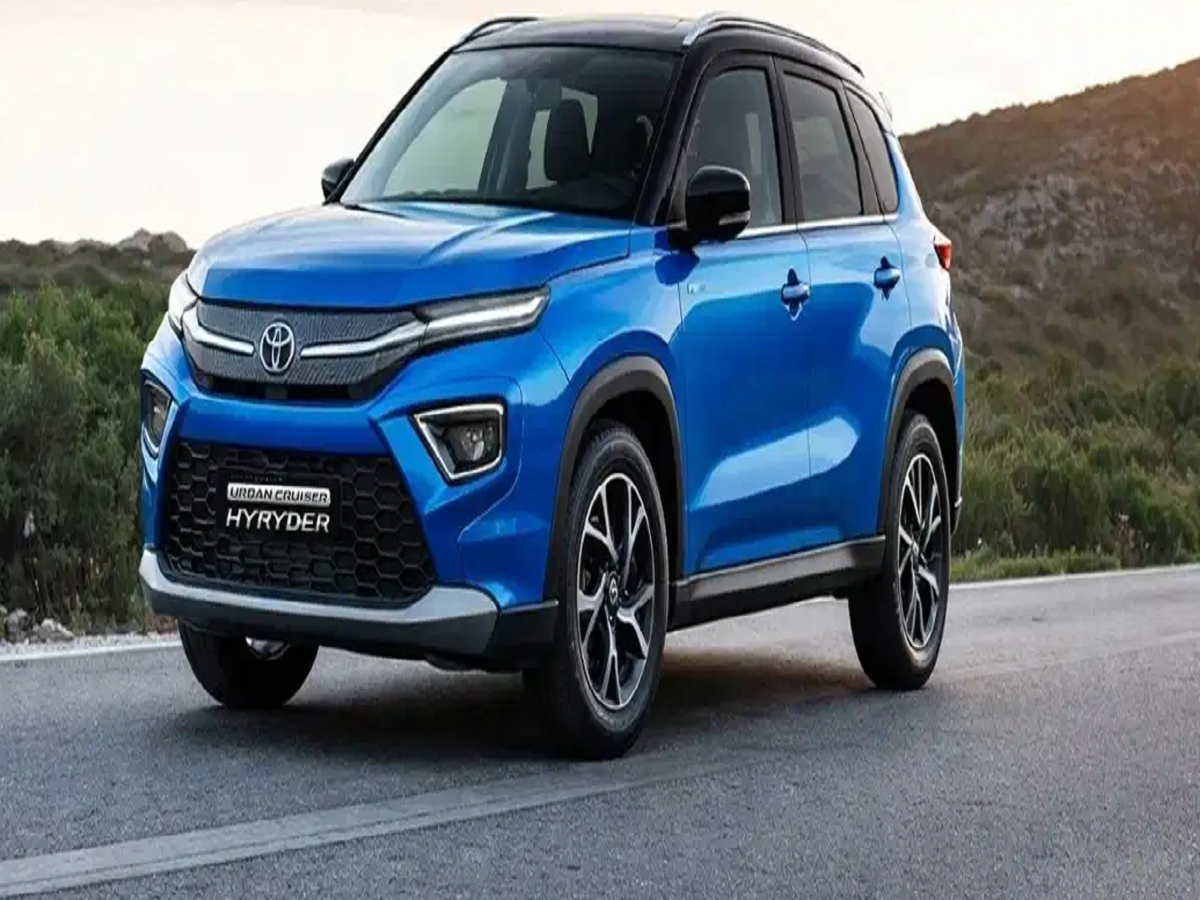
CAFE-3 may also strengthen the business case for strong-hybrid vehicles.
A strong hybrid combines an internal-combustion engine with an electric motor and battery. Unlike a conventional petrol vehicle, it can use electrical assistance—or, under suitable conditions, electric-only propulsion for limited periods—to reduce fuel consumption.
The hybrid battery can also recover some energy during deceleration through regenerative braking.
Because strong hybrids could receive favourable treatment in CAFE calculations, automakers may have an additional reason to introduce more hybrid models alongside full EVs.
Petrol and Diesel Cars Aren't Going Away
The introduction of CAFE-3 does not mean manufacturers will immediately stop developing petrol and diesel vehicles.
Instead, companies will have to make conventional vehicles more efficient.
Several technologies can contribute to reducing fuel consumption and CO2 emissions.
An automatic start-stop system, for example, can shut the engine down when the vehicle is stationary and restart it when required, helping reduce unnecessary fuel consumption during idling.
More efficient transmissions can also help engines operate closer to their optimum range.
Cars Could Get More Efficiency-Focused Technology
The proposed regulations could encourage manufacturers to adopt a broader range of technologies designed to reduce energy losses.
These may include:
-
Engine start-stop systems
-
Tyre Pressure Monitoring Systems (TPMS)
-
Regenerative braking
-
Six-speed or higher-ratio transmissions
-
12V or 48V electrical architectures
-
Motor-generator systems
-
Energy-efficient LED lighting
-
Improved automotive glass
-
Electric water pumps
-
More efficient air-conditioning systems
-
Solar-reflective materials or paint
-
Smarter radiator and cooling systems
Under the proposed framework, qualifying technologies may provide regulatory CO2-reduction benefits subject to specified limits and conditions.
The overall objective is to reduce the amount of energy a vehicle wastes rather than relying on one single technology.
How Can an SUV Still Be Sold Under Strict Mileage Rules?
Suppose an automaker sells several types of vehicles.
One large petrol SUV may have relatively high fuel consumption. At the same time, the company may sell thousands of efficient hatchbacks, strong hybrids and battery-electric vehicles.
CAFE rules examine the manufacturer's overall fleet performance using the prescribed methodology.
Therefore, the inefficient SUV does not automatically make the company non-compliant. The performance of its other vehicles can help bring the fleet average within the required target.
This is precisely why EVs and hybrids become strategically important under increasingly strict CAFE standards.
What Could CAFE-3 Mean for Car Buyers?
The biggest changes may not appear overnight on April 1, 2027. Instead, consumers could gradually notice manufacturers adjusting their product portfolios ahead of and throughout the CAFE-3 period.
Automakers may introduce more efficient engines, increase hybrid options, expand their EV line-ups and add fuel-saving technology to conventional vehicles.
Competition could also intensify in affordable electric and hybrid segments as manufacturers attempt to improve their fleet-level compliance.
At the same time, new technology can add manufacturing costs, meaning stricter regulations do not automatically translate into cheaper cars.
The Bottom Line
CAFE-3 is fundamentally about making the average passenger-vehicle fleet more efficient and less carbon-intensive, rather than forcing every individual car to achieve the same mileage.
From April 2027 onward, manufacturers are expected to face tougher efficiency requirements, making efficient petrol vehicles, strong hybrids, EVs and other lower-emission technologies increasingly important.
For buyers, this could eventually translate into a wider selection of fuel-efficient and electrified cars. But one misconception should be avoided: a fleet-level target approaching 30 km/l does not mean every new car on Indian roads will deliver 30 km/l.
The real impact of CAFE-3 will be seen in how manufacturers redesign their portfolios, adopt efficiency technologies and balance conventional cars with hybrids and EVs over the 2027-32 period.