NATIONAL
Nationwide Farmer Protests Escalate Over India–U.S. Trade Framework; Government Defends Policy
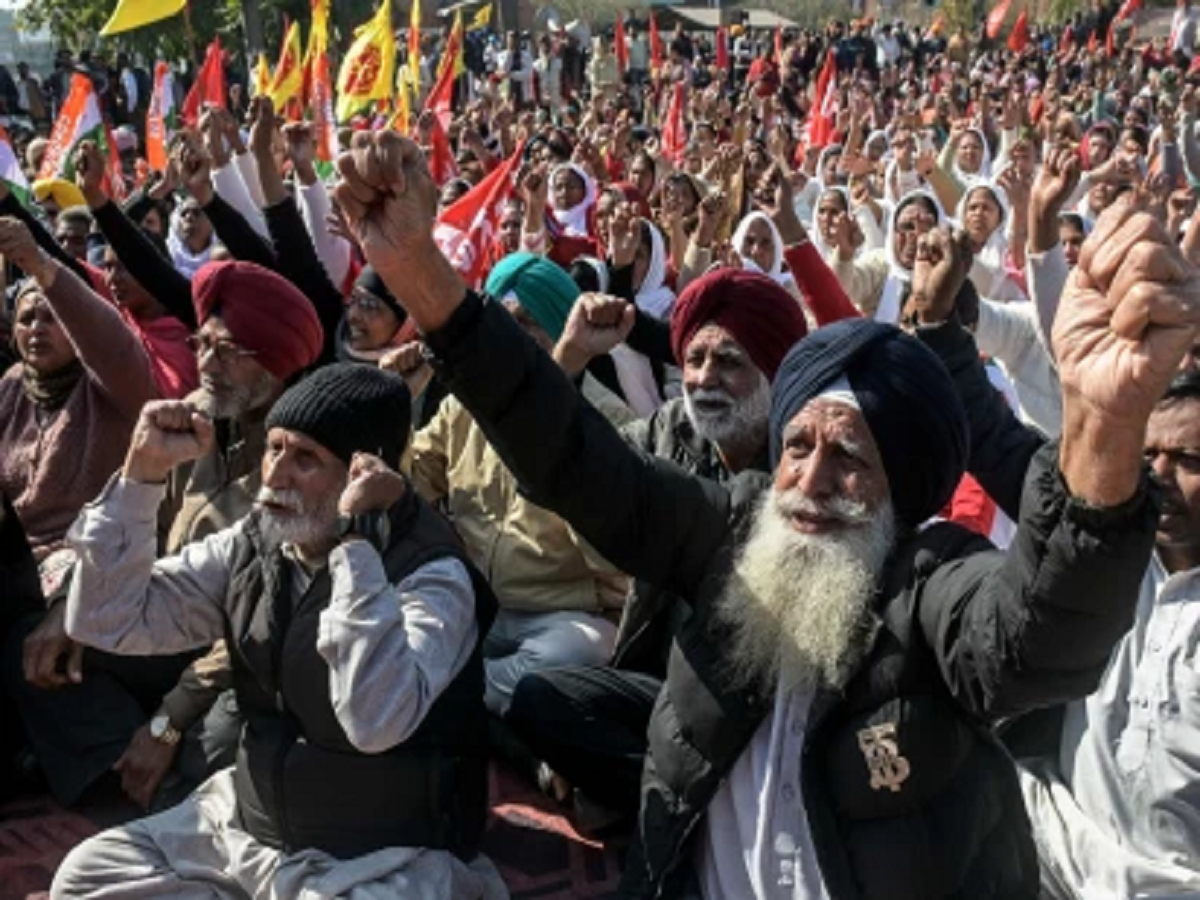
Tensions between the Indian government and large segments of the farming community escalated today as thousands of farmers and workers staged protests across multiple states, opposing an interim trade framework agreed between India and the United States.
The demonstrations, observed in states including Bihar, Haryana, Odisha, Karnataka and Tamil Nadu, reflect deepening discontent among rural stakeholders who argue that the new trade framework could undermine domestic agriculture and expose local markets to increased foreign competition.
Farmers and Unions Voice Strong Opposition
Protestors marched to government offices, unfurled banners, and in some places burned symbolic copies of the trade agreement. Key farmers’ unions and worker organizations declared the protests after weeks of negotiations failed to assuage their concerns. Leaders warned that duty‑free access granted to certain U.S. goods could depress local prices and jeopardize livelihoods.
“We are not against trade,” said one union representative in Patna, “but our farms should not be the sacrifice.”
Many protestors focused on rice, pulses and dairy sectors — pillars of India’s rural economy — which they fear could be indirectly affected by expanded imports over time.
Government Maintains Stance on Strategic Benefits
The government, while acknowledging the protests, reiterated its belief that the interim trade framework supports India’s broader economic interests. According to officials, the deal excludes a wide range of staples from immediate tariff liberalisation and protects sensitive categories that are crucial to food security and rural income.
Trade Minister Piyush Goyal stated in a press briefing:
“Approximately 90–95 percent of Indian farm products are shielded from the immediate impacts of this framework. We have ensured that key commodities remain safeguarded.”
He further stressed that the agreement is expected to enhance textile and engineering exports, improve investor confidence and deepen economic cooperation with the United States.
Political and Economic Implications
Opposition parties have seized on the protests, criticizing the government for failing to protect farmers’ interests. Some analysts suggest that widespread rural unrest could impact electoral dynamics in key agrarian states.
At the same time, economists note that India’s larger economic indicators remain stable. Recent data show retail inflation at 2.75 percent in January 2026, comfortably within the Reserve Bank of India’s target range, and the government continues strategic debt interventions aimed at ensuring long‑term fiscal sustainability.
At the Grassroots
In villages and small towns, the protests have brought ordinary citizens into direct debate about India’s place in global trade. For many families dependent on agriculture, the issue has become personal.
“We want growth,” said a farmer near Tiruchirappalli. “But not at the cost of losing our farms.”
As rallies show no signs of abating, policy makers face mounting pressure to find a balance that addresses both global economic engagement and domestic agricultural stability.