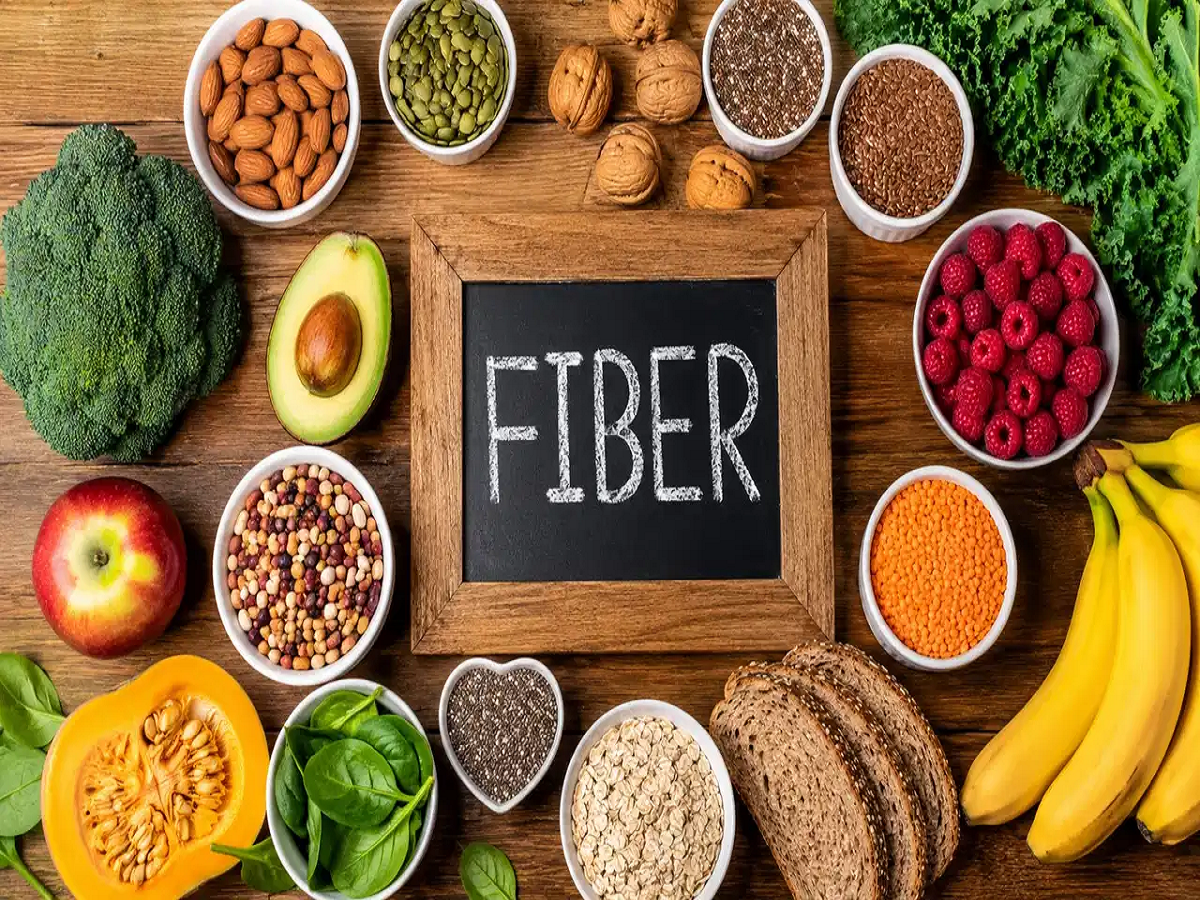
A healthy diet is not just about getting enough protein, vitamins, and minerals. Dietary fiber is another important part of a balanced diet, yet many people do not get enough of it.
Fiber is a type of carbohydrate found mainly in plant-based foods that the body cannot completely digest. It passes through the digestive system and can support healthy bowel movements, help you feel full, and contribute to overall metabolic and heart health.
How does fiber benefit the body?
Helps prevent constipation
One of the best-known benefits of fiber is its role in digestion. Fiber can add bulk to stool and help it move through the digestive tract more easily. This can help prevent constipation and support regular bowel movements.
Adequate fluid intake is also important because water helps fiber work effectively in the digestive system.
Keeps you full for longer
High-fiber foods can take longer to digest and may help you feel satisfied after meals. This can reduce frequent snacking and make it easier to maintain a balanced eating pattern.
Including vegetables, fruits, whole grains, pulses, and other fiber-rich foods in meals can therefore be useful for people trying to manage their overall calorie intake.
May support healthy blood sugar levels
Certain types of soluble fiber absorb water and form a gel-like substance in the digestive tract. This can slow digestion and may help reduce rapid increases in blood sugar after eating.
For people concerned about blood sugar management, choosing high-fiber foods over highly refined carbohydrates can be a useful part of a balanced diet.
Supports heart health
Some forms of dietary fiber can help reduce cholesterol levels. Eating a diet rich in vegetables, fruits, whole grains, pulses, nuts, and seeds can therefore contribute to a heart-healthy eating pattern.
Which foods are rich in fiber?
Fiber is naturally present in a wide variety of plant foods. Good options include:
-
Apples and pears, particularly with their edible skin
-
Raspberries and other berries
-
Lentils and other pulses
-
Beans and peas
-
Vegetables
-
Whole grains
-
Nuts and seeds
For example, a medium pear provides around 5.5 grams of fiber, while a medium apple contains roughly 4.4 grams. A cup of raspberries can provide about 8 grams, and a cup of cooked lentils can provide around 15.6 grams.
The exact amount can vary depending on the food and serving size.
How much fiber do you need?
Fiber requirements vary depending on factors such as age and sex. As a general reference, women aged 50 or younger are often advised to consume around 25 grams per day, while men in the same age group may need around 38 grams.
For adults over 50, the recommended amounts are generally lower, although individual nutritional requirements can differ.
Don't increase fiber suddenly
If your current diet is low in fiber, adding a large amount all at once may cause gas, bloating, or abdominal discomfort.
Instead, increase fiber gradually and give your digestive system time to adjust. Drink enough fluids throughout the day and include different sources of fiber rather than relying on a single food.
A simple way to add more fiber to your diet
You don't necessarily need major changes to increase your fiber intake. Add vegetables to your meals, choose whole grains more often, include pulses regularly, eat whole fruits instead of relying only on juices, and add nuts or seeds where appropriate.
However, people with certain digestive or intestinal conditions may be advised to follow a lower-fiber diet. If your doctor has recommended restricting fiber, don't make major dietary changes without professional guidance.
Bottom line
Fiber plays an important role in maintaining digestive health and can also support fullness, healthy blood sugar levels, and heart health. Including a variety of fruits, vegetables, whole grains, pulses, nuts, and seeds in your daily meals is a simple way to increase your fiber intake.
The key is to increase fiber gradually, drink enough water, and choose a varied diet rather than depending on one particular food.