LIFESTYLE
Want Healthier Hair, Glowing Skin and Stronger Nails? Add These Nutrient-Rich Foods to Your Diet

Hair fall, dry or dull-looking skin and brittle nails are common concerns. While shampoos, creams and other external products may help with appearance and care, nutrition also plays an important role in maintaining healthy hair, skin and nails.
The body requires protein, iron, zinc, vitamins, minerals and healthy fats for normal cell growth and repair. If your diet regularly lacks essential nutrients, changes may sometimes become noticeable in your hair, skin or nails.
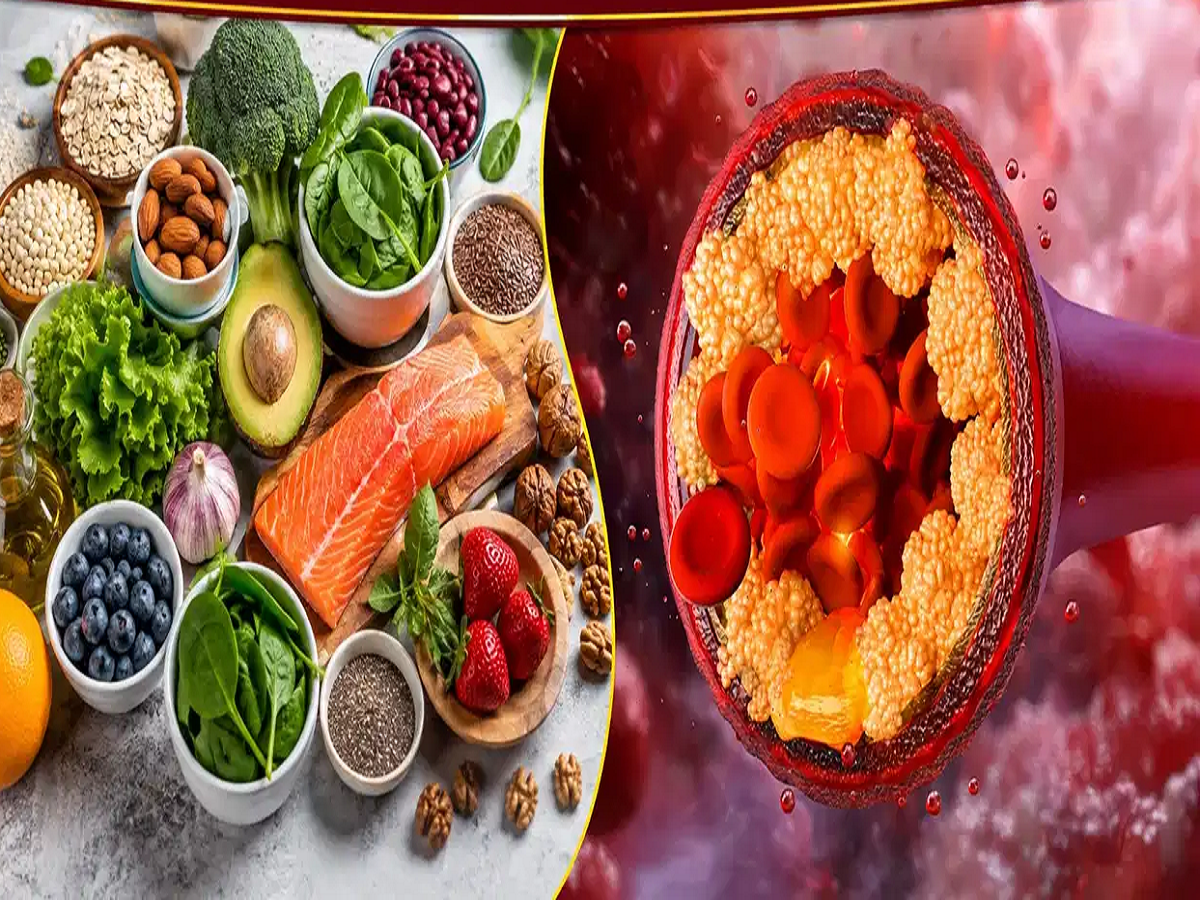
A varied, balanced diet can therefore support them from within. Here are some nutritious foods worth including in your everyday meals.
Eggs: A Convenient Source of Protein
Hair and nails are largely made from proteins, making adequate protein intake important for their normal growth and strength.
Eggs provide high-quality protein along with several other nutrients. They can be included at breakfast or in other meals according to individual dietary preferences.
Vegetarians can obtain protein from foods such as lentils, beans, dairy products, soy and nuts.
Fish: Healthy Fats With Protein
Fish provides protein and, depending on the variety, beneficial fatty acids. Fatty fish are particularly known for their omega-3 fatty acid content.
Healthy fats support several functions in the body and can form part of a balanced diet that supports normal skin and hair health.
Lentils and Beans: Protein Plus Important Minerals
Dal, chickpeas, rajma and other beans are valuable plant-based sources of protein, fibre and minerals.
They can also provide iron, an essential mineral involved in many bodily processes. Inadequate iron levels can sometimes be associated with increased hair shedding, although hair loss has many possible causes.
Combining plant-based iron sources with vitamin C-rich foods may also help the body absorb iron more effectively.
Nuts and Seeds: Small Foods Packed With Nutrients
Almonds, walnuts, sunflower seeds, pumpkin seeds, chia seeds and flaxseeds can add healthy fats, protein, vitamins and minerals to the diet.
Because nuts and seeds are calorie-dense, a moderate portion is usually enough. They can be eaten as snacks or added to yogurt, oatmeal, salads and smoothies.
Green Leafy Vegetables
Spinach and other leafy vegetables provide a variety of vitamins, minerals and plant compounds.
Instead of relying on a single "superfood," eating different vegetables regularly is a better approach to obtaining the range of nutrients needed for overall health.
Don't Forget Fruits and Vitamin C-Rich Foods
Fruits such as oranges, guava, amla, kiwi and strawberries can provide vitamin C. Vitamin C contributes to normal collagen formation and also helps with the absorption of iron from plant foods.
Adding a variety of colourful fruits and vegetables can therefore benefit overall nutrition as well as skin health.
Habits That May Affect Hair, Skin and Nail Health
Nutrition is only one part of the picture. Frequently consuming highly processed foods while missing out on nutrient-rich foods can make it harder to maintain a balanced diet.
Excessive alcohol intake can also contribute to dehydration and nutritional problems. Poor sleep and prolonged stress may affect overall well-being and can sometimes worsen existing hair or skin concerns.
Very restrictive diets or eating too little may result in inadequate intake of protein, iron and other essential nutrients. In some cases, this can contribute to increased hair shedding or changes in nail health.
When Should You Pay Attention to Changes?
Occasional hair shedding or dry skin isn't necessarily a sign of a serious health problem. However, sudden or persistent changes deserve attention.
Consult a healthcare professional if you notice unusually heavy hair loss, bald patches, persistent skin redness or itching, recurring rashes, severely brittle nails, or unexplained changes in nail colour or texture.
Such changes may have several possible causes, including nutritional deficiencies, skin conditions, hormonal changes or other underlying health issues.
Avoid starting high-dose vitamin or mineral supplements simply because your hair, skin or nails have changed. Excessive intake of certain supplements can cause problems of its own. If symptoms continue, a doctor can help determine whether blood tests or other evaluation are necessary.
Focus on a Balanced Diet
There is no single food that can guarantee thicker hair, flawless skin or stronger nails. A more practical approach is to regularly eat enough protein along with vegetables, fruits, whole grains, pulses, nuts, seeds and healthy sources of fat.
Combined with adequate sleep, hydration and appropriate external care, good nutrition can help provide the building blocks your body needs to maintain healthy hair, skin and nails.