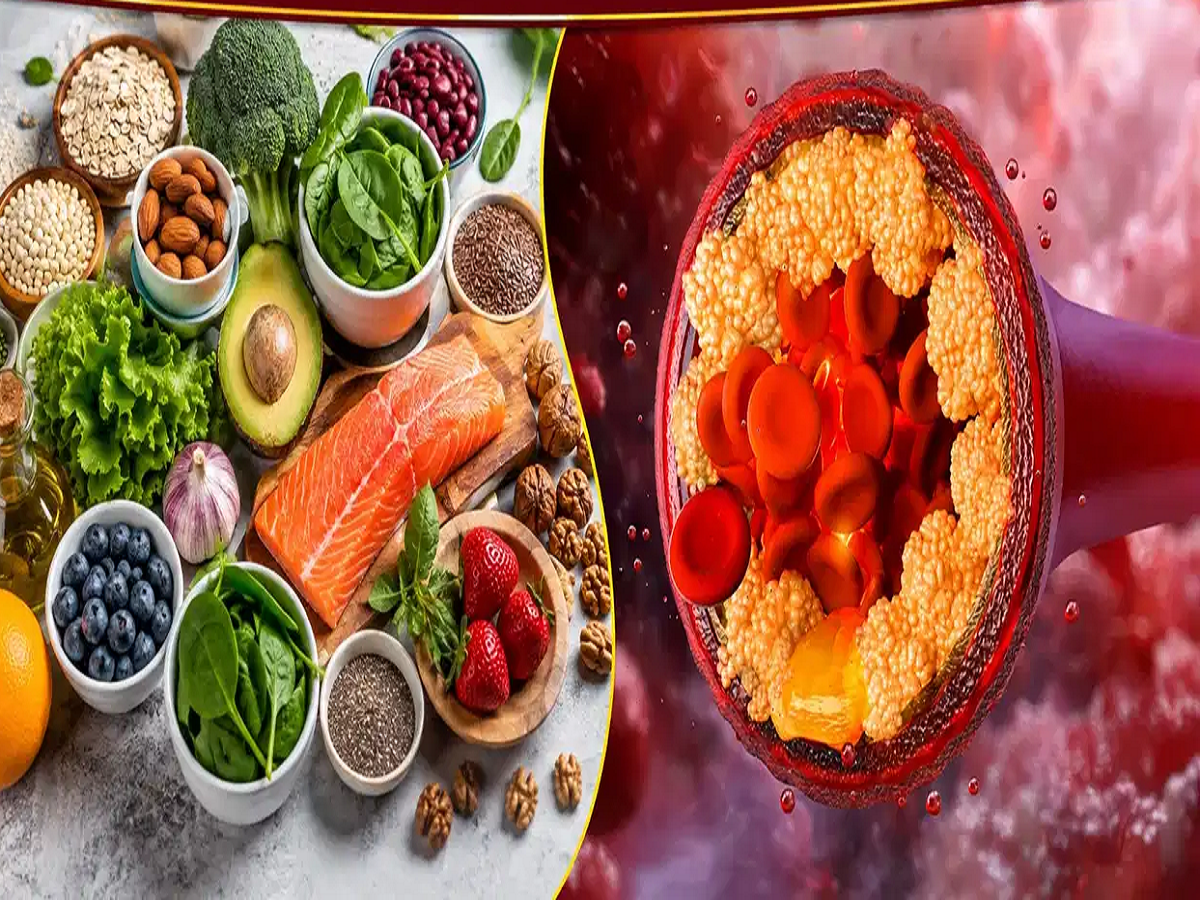
High cholesterol has become an increasingly common health concern. When unhealthy cholesterol levels remain elevated for a long time, fatty deposits can build up inside the arteries and affect blood flow. This may eventually increase the risk of cardiovascular problems, including heart attack and stroke.
Cholesterol itself is not entirely harmful. The body needs it for several important functions. Problems arise when certain types, particularly LDL or "bad" cholesterol, become too high.
Diet can play an important role in cholesterol management. Regularly consuming foods high in saturated or trans fats may contribute to higher LDL levels, while choosing fibre-rich foods and healthier fats can support better cholesterol levels.
Foods to Include in a Cholesterol-Friendly Diet
Several everyday foods can be included as part of a heart-friendly eating pattern.
Oats and barley: These whole grains contain soluble fibre, which can help reduce the amount of cholesterol absorbed into the bloodstream. Oatmeal can be a convenient breakfast option, while barley can be added to soups and other meals.
Beans and lentils: Rajma, chickpeas, moong, masoor and other pulses provide fibre as well as plant-based protein. Replacing some high-fat animal foods with pulses can make meals more heart-friendly.
Almonds and walnuts: Nuts contain unsaturated fats, fibre and several useful nutrients. A small portion of unsalted nuts can be included as a snack, although portion control is important because nuts are calorie-dense.
Avocado: Avocados contain monounsaturated fats and fibre. They can be used in salads, sandwiches or spreads as an alternative to ingredients higher in saturated fat.
Fatty fish: Fish such as salmon, sardines and tuna contain omega-3 fatty acids. Omega-3s are particularly known for helping lower triglyceride levels and supporting cardiovascular health.
Olive oil: Using oils rich in unsaturated fats, such as olive oil, instead of butter or other sources of saturated fat can be part of a cholesterol-conscious diet.
Foods You May Need to Limit
Adding healthier foods is only one part of improving your diet. It is equally important to reduce foods that contribute large amounts of saturated or trans fats.
Frequent consumption of deep-fried foods, fatty or processed meats, butter, excessive ghee, full-fat dairy products, bakery products and highly processed snacks may make cholesterol management more difficult.
Instead of completely focusing on individual "good" or "bad" foods, aim for an overall eating pattern rich in vegetables, fruits, whole grains, pulses, nuts and healthier sources of fat.
Lifestyle Changes Matter Too
Managing cholesterol is not only about what you eat. Regular physical activity can support cardiovascular health and help improve cholesterol levels.
Walking, cycling, swimming, yoga or other forms of exercise can be incorporated according to your health and fitness level. Maintaining a healthy weight, getting adequate sleep and managing stress are also important.
Smoking should be avoided, while alcohol intake should be limited or avoided according to medical advice.
If a doctor has prescribed cholesterol-lowering medication, dietary improvements should not be considered a replacement for treatment. Never stop or change prescribed medicines without consulting your healthcare professional.
How Do You Know If Your Cholesterol Is High?
High cholesterol is sometimes called a "silent" problem because it usually does not produce obvious symptoms. A person can feel completely healthy while having unhealthy cholesterol levels.
A blood test called a lipid profile or lipid panel is used to measure cholesterol and triglyceride levels. Depending on the test, it may include total cholesterol, LDL cholesterol, HDL cholesterol and triglycerides.
People with a family history of high cholesterol, heart disease or other cardiovascular risk factors should discuss with their doctor how frequently they need testing.
The Bottom Line
A cholesterol-friendly diet doesn't have to be complicated. Increasing soluble fibre through oats, barley, beans and lentils, choosing nuts and unsaturated fats, and limiting foods high in saturated and trans fats can support healthier cholesterol levels.
However, diet is only one part of the picture. Regular exercise, appropriate medical screening and prescribed treatment, when necessary, are equally important for protecting long-term heart health.