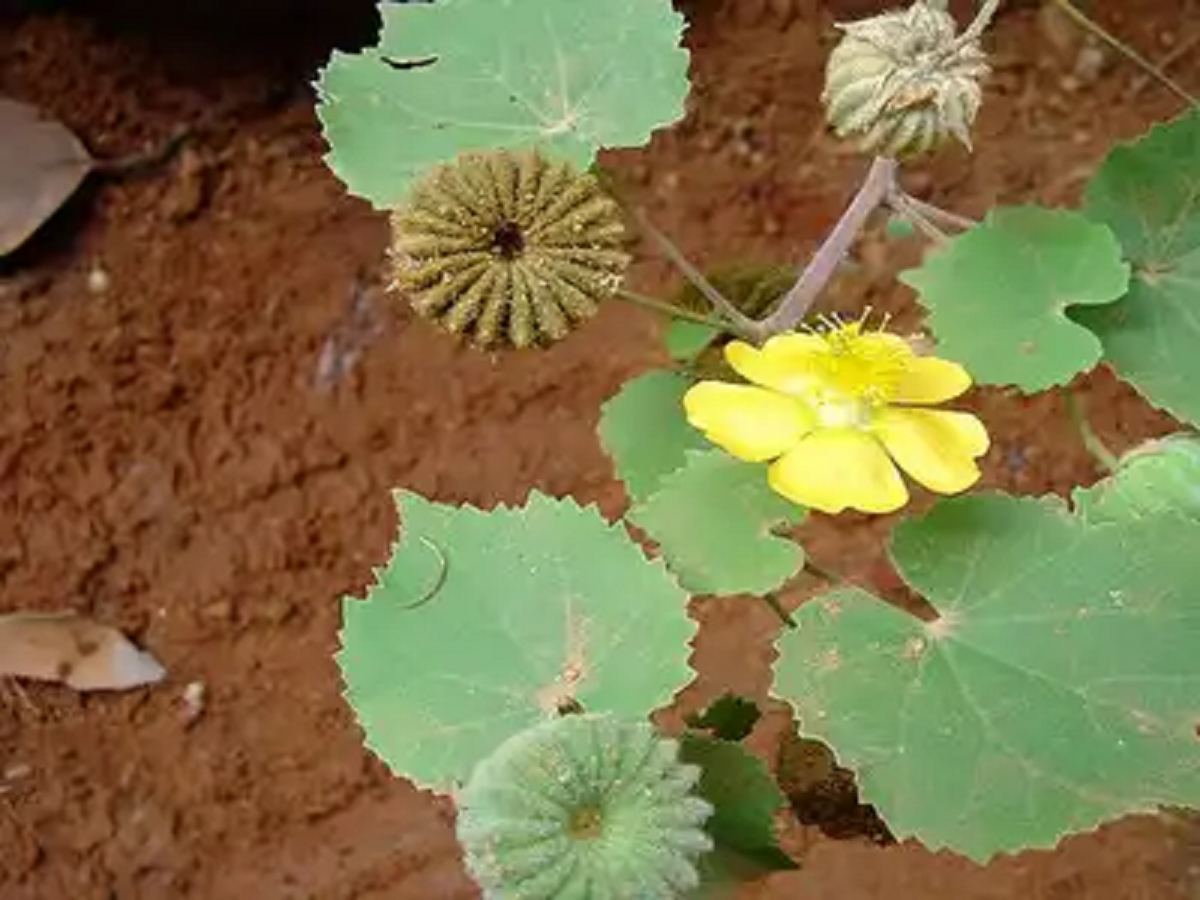
Ayurveda, the ancient Indian system of medicine, is rich in herbs with remarkable healing properties. One such powerful herb is Atibala (Abutilon indicum), a plant with golden-yellow flowers, widely used in Ayurveda, Siddha, and Unani medicine. Traditionally, it has been used to treat a variety of ailments due to its anti-diabetic, anti-inflammatory, laxative, and blood-tonic properties.
Health Benefits and Uses of Atibala
Atibala has been traditionally used to address conditions including leprosy, urinary disorders, jaundice, piles, diarrhea, ulcers, arthritis, tuberculosis, bronchitis, allergies, nervous disorders, heart diseases, bleeding disorders, and muscle weakness. Here are some notable uses:
-
Swollen Gums – Gargling with a decoction of Atibala leaves 3–4 times a day can relieve swollen or loose gums.
-
Frequent Urination – Powdered bark of the Atibala root mixed with sugar can help manage frequent urination.
-
Wet Cough – A decoction made from equal parts of Atibala, Kantkari, Brihati, Vasa leaves, and grapes (14–28 ml with 5 g sugar twice daily) may help alleviate wet cough.
-
Piles – Boil Atibala leaves in water, add palm jaggery, and drink the decoction to relieve piles.
-
Diarrhea & Blood in Urine – Mixing Atibala leaves with pure ghee can help in diarrhea. Drinking 40 ml of root decoction twice a day may reduce blood in urine.
-
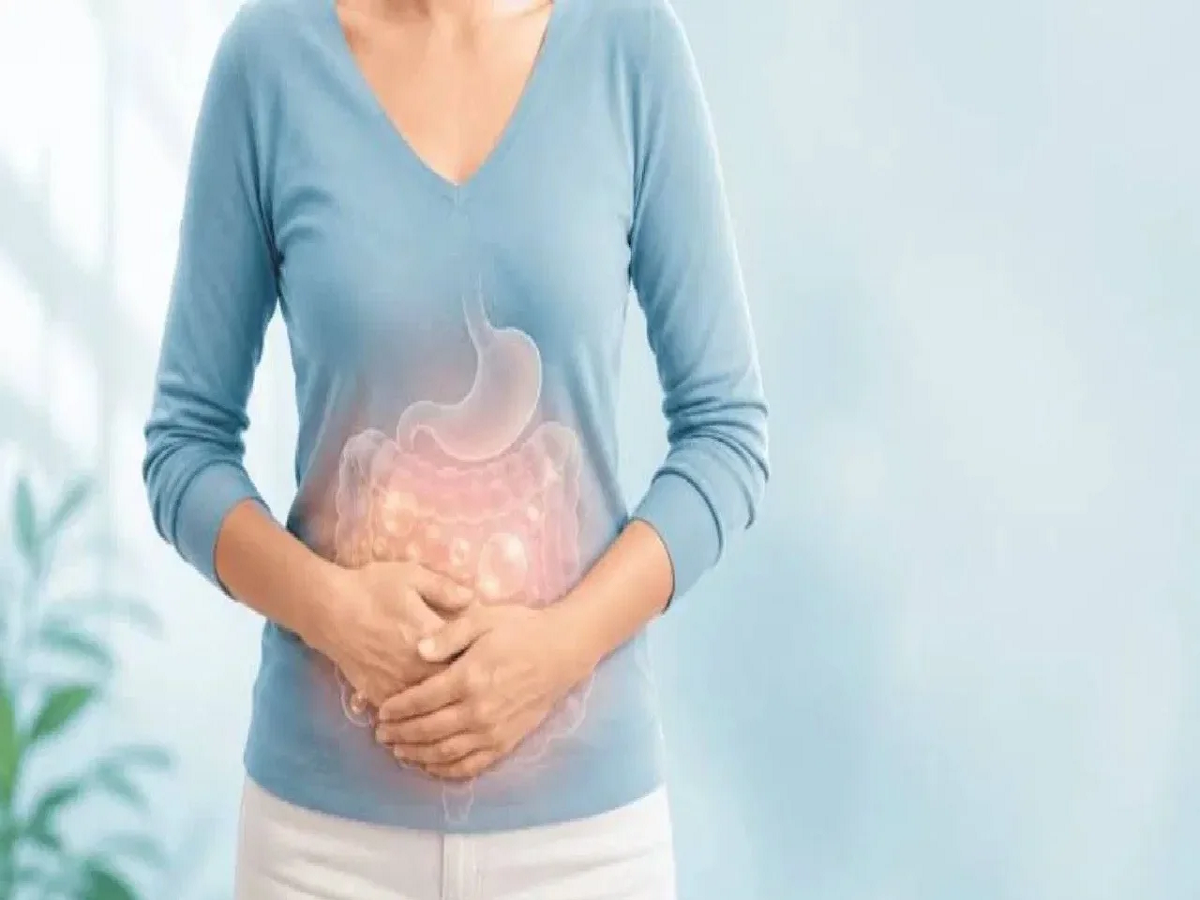
Stomach Pain (Pittodar) – Mixing Atibala with Prishtnaparni, Kateri, Lakh, and dry ginger and taking it with milk can soothe bile-related stomach pain.
-
Urinary Disorders – A decoction of Atibala leaves or roots can help treat dysuria (painful urination). Daily intake of 4–8 g of its seeds may also be beneficial.
-
Strengthening the Body – Eating cooked Atibala seeds can boost energy and reduce chronic weakness.
Conclusion
Atibala is a versatile medicinal plant with the potential to address over 50 ailments, ranging from common digestive and urinary issues to chronic conditions like arthritis and heart problems. While traditional remedies have been used for centuries, consulting a qualified Ayurvedic practitioner before using Atibala for medicinal purposes is recommended.