TECH
AI Boom Sends Memory Prices Soaring: Zoho Founder Warns of Rising Costs for Businesses and Devices
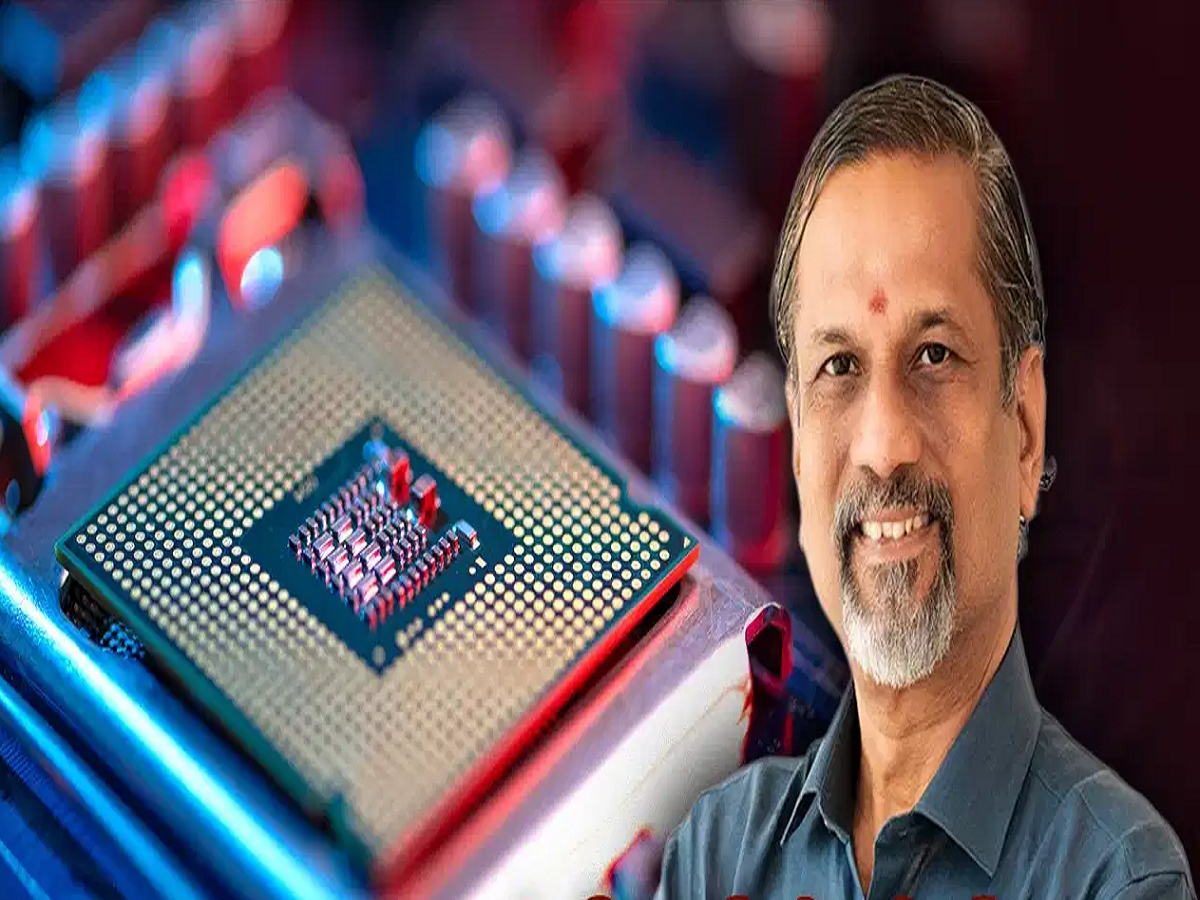
The rapid growth of artificial intelligence is creating a new challenge for the technology industry: soaring demand for computer memory. Zoho founder Sridhar Vembu has raised concerns over the sharp increase in memory prices, saying the rising costs are making it increasingly difficult for businesses to maintain their existing prices.
According to figures cited by Vembu from Tom's Hardware, some memory kits have seen dramatic price increases over the past year.
Memory Prices See a Massive Increase
The average price of a 64GB DDR5-5600 memory kit reportedly rose from around $191 in August 2025 to approximately $1,118 in August 2026.
That represents an increase of roughly 485%.
The increase is even more striking for higher-capacity memory. A 128GB DDR5-6400 kit reportedly reached around $3,399, compared with a previous low of about $329.
Such increases could put additional pressure on companies that depend heavily on servers, cloud infrastructure, and high-performance computing.
AI Is Driving Demand for More Computing Hardware
The AI boom requires enormous amounts of computing power and memory. Companies are investing heavily in data centres and AI infrastructure, increasing demand for components such as memory, CPUs, GPUs, cooling equipment, transformers, and backup power systems.
Vembu argues that these rising infrastructure costs are making it harder for businesses to absorb higher expenses without eventually increasing prices for customers.
He also warned that the impact could eventually be felt in consumer electronics, including smartphones and laptops, particularly if component costs remain elevated.
Why Memory Has Become So Important for AI
Modern AI systems process huge amounts of information and require substantial memory capacity. Training and running advanced AI models can therefore require large numbers of high-performance servers equipped with powerful processors and large amounts of memory.
As investment in AI infrastructure continues to grow, competition for critical hardware components can put additional pressure on supply and prices.
Vembu Says Programming Also Needs to Become More Memory Efficient
Vembu also highlighted the issue from a software-development perspective.
He argued that programming has long operated under the assumption that computer memory would continue becoming cheaper and more abundant. With memory costs rising, he believes developers may need to pay greater attention to memory efficiency.
He has called for more efficient programming languages and better compilers that can reduce unnecessary memory consumption while still maintaining security and productivity.
Could AI Investment Create a Bigger Market Imbalance?
Vembu also compared the current AI investment boom with the telecom investment boom of the late 1990s.
He pointed out that the technology behind that earlier boom was real and eventually became widely adopted, but many telecom equipment companies still faced severe difficulties after the market turned between 2001 and 2003.
His broader argument is that genuine technological progress does not automatically eliminate financial or market risks. Massive investment can create excess capacity, higher costs, and other imbalances if spending grows faster than sustainable demand.
What Could This Mean for Consumers?
If elevated memory and other hardware costs persist, manufacturers could eventually face pressure to increase prices for products that use these components.
That could affect everything from laptops and smartphones to servers and other computing devices.
For now, the bigger story is that the AI revolution is not only changing software and online services. Its growing appetite for computing infrastructure is also putting pressure on the physical components that power modern technology.