BUSINESS
Government's New PNG Push: Cheaper Piped Gas Could Soon Reach More Homes, Know What Has Changed
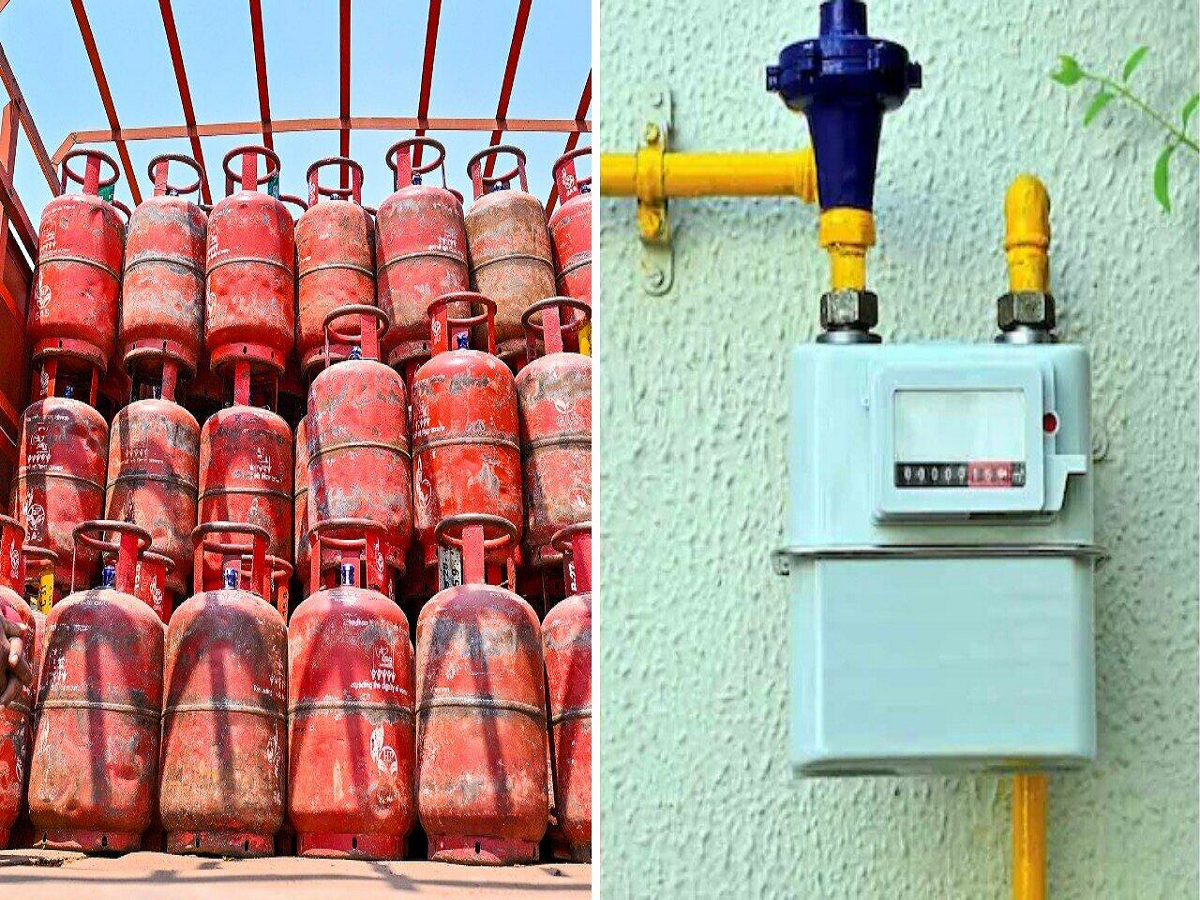
The government has announced a new incentive aimed at expanding piped natural gas (PNG) connections in households, a move that could make it easier for more urban families to shift from LPG cylinders to piped cooking gas.
The initiative, announced on August 18, 2026, is designed to encourage city gas distribution companies to expand their domestic PNG networks and activate more household connections.
What Has the Government Announced?
Under the new incentive mechanism, city gas distribution companies can receive an additional allocation of lower-priced domestically produced natural gas for every new domestic PNG connection that they successfully install and bill.
According to reports, distributors will receive 200 standard cubic metres (SCM) of domestic natural gas for each qualifying new household PNG connection.
The objective is to make expanding the PNG network more financially attractive for gas distribution companies.
Why Is the Government Promoting PNG?
PNG is supplied directly to homes through a pipeline network, eliminating the need to repeatedly order and replace LPG cylinders.
The government is also looking to reduce dependence on imported LPG and strengthen the use of domestically available natural gas. The move comes at a time when international energy markets are facing additional pressure and import costs have become an important concern.
What Does This Mean for Households?
The biggest potential benefit for consumers is greater availability of PNG connections.
More incentives for gas distributors could encourage them to expand pipelines into areas that currently have limited PNG coverage. It could also encourage companies to activate existing but unused connections.
However, the announcement does not mean that every household will immediately receive cheaper cooking gas or a direct cash benefit. The immediate incentive is primarily aimed at gas distribution companies, with the expected consumer benefit coming through greater availability and network expansion.
PNG vs LPG: What Is the Difference?
For households, the main difference is how the fuel is supplied.
With LPG, consumers typically receive gas in cylinders that need to be booked and replaced periodically. PNG is delivered continuously through a pipeline after a household is connected to the distribution network.
PNG can therefore offer greater convenience for households with reliable pipeline access, while LPG remains important in areas where PNG infrastructure is not available.
Will LPG Cylinders Become Unnecessary?
Not immediately.
The new policy is intended to expand the PNG network rather than eliminate LPG. Millions of households still depend on LPG cylinders, particularly in areas where piped gas infrastructure has not yet reached them.
The pace at which households switch to PNG will depend on pipeline availability, connection costs, local tariffs, and the overall economics for consumers.
Why This Government Move Matters
The latest announcement is part of a broader effort to expand India's domestic gas infrastructure and encourage cleaner cooking fuel options.
If gas distributors expand their networks more aggressively because of the new incentive, more households could eventually get access to piped cooking gas.
For consumers, the key thing to watch will be whether PNG becomes available in their locality and how the connection and monthly gas costs compare with their existing LPG expenses.