TECH
Your Smartwatch May Soon Detect Health Problems Earlier: How Non-Invasive Wearable Technology Is Evolving
Smartwatches were once primarily used to check the time, count steps and display smartphone notifications. Today, they can monitor heart rate, estimate sleep patterns, track physical activity and provide insights into several aspects of everyday health.
The next stage of wearable technology is moving beyond basic fitness tracking. Manufacturers and researchers are exploring ways to use sensors, artificial intelligence and continuous monitoring to identify unusual changes in the body before users notice symptoms themselves.
Although smartwatches cannot replace medical examinations, these developments could make personal health monitoring more accessible and help people recognise when they may need professional advice.
How Do Smartwatches Monitor Your Health?
Modern wearables combine several sensors to collect information about the body and its activity.
Optical heart-rate sensors use light to estimate changes in blood flow beneath the skin. Accelerometers and gyroscopes measure movement, helping devices distinguish between walking, running, sleeping and other activities.
Some models also include electrical sensors that can record a single-lead electrocardiogram, while others estimate blood oxygen levels using light-based measurements.
The device's software processes these readings and presents them as trends, measurements or notifications.
However, not every smartwatch includes every sensor, and the accuracy of measurements varies by device, activity and individual circumstances.
1. Detecting Irregular Heart Rhythms
One of the most significant developments in wearable health technology is the ability to identify certain irregular heart rhythms.
Some smartwatches can analyse pulse patterns and alert users when they detect signs that may be consistent with atrial fibrillation, a heart rhythm disorder associated with an increased risk of stroke.
Compatible devices may also offer an ECG feature that records electrical activity from the heart.
These features can help users identify a possible problem and share relevant information with a healthcare professional. However, a notification is not a confirmed diagnosis, and a normal smartwatch reading does not rule out heart disease.
Anyone experiencing chest pain, fainting or severe breathlessness should seek urgent medical attention rather than relying on a wearable device.
2. Sleep Tracking Is Becoming More Detailed
Sleep tracking has become a major feature of modern smartwatches and fitness bands.
Devices can estimate sleep duration, identify periods of movement and provide estimates of different sleep stages. Some also combine overnight heart-rate data and other measurements to generate a sleep score.
These insights may help users recognise patterns, such as consistently short sleep or irregular bedtimes.
However, consumer wearables generally estimate sleep stages rather than measuring them with the same methods used in a clinical sleep study. A sleep score should therefore be treated as an approximate indicator, not a medical diagnosis.
3. AI Is Helping Turn Sensor Data Into Useful Insights
A smartwatch can collect large amounts of information, but raw numbers are not always easy to interpret.
Artificial intelligence can help analyse patterns across multiple measurements and identify changes from an individual's usual baseline. For example, a device might notice that resting heart rate has remained elevated over several days or that sleep patterns have changed significantly.
Such changes can have many possible explanations, including stress, exercise, illness, medication or changes in routine. AI-generated insights should not be interpreted as proof of a specific medical condition.
The most useful systems will be those that explain their limitations clearly and help users decide when to seek professional advice.
4. Can Wearables Monitor Blood Pressure and Blood Sugar?
Blood pressure and blood glucose monitoring are two areas attracting considerable interest in wearable technology.
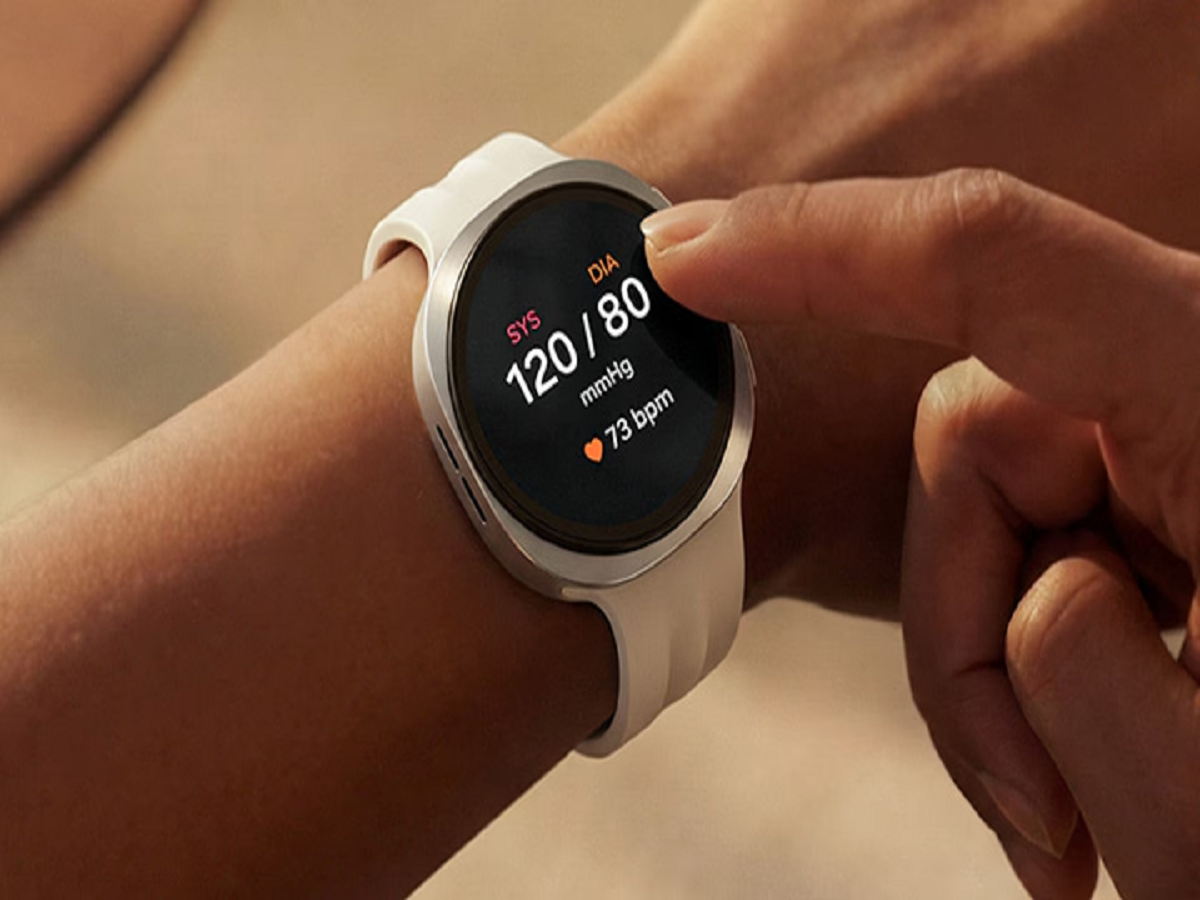
Some devices offer blood pressure estimates or related features, but availability and accuracy vary. Users should not assume that a smartwatch can replace a clinically validated blood pressure monitor.
Non-invasive glucose monitoring is an even more challenging area. Researchers are investigating different sensing methods, but a consumer smartwatch should not be assumed to measure blood sugar accurately without a validated medical technology.
People with diabetes should continue using their prescribed monitoring equipment and follow medical advice rather than relying on unverified wearable claims.
5. Continuous Monitoring Could Help People Understand Their Health Trends
Traditional medical measurements often capture a person's condition at a particular moment. Wearables can provide repeated measurements during everyday activities, offering a broader picture of changes over time.
For example, tracking resting heart rate, activity and sleep may help someone understand how their routine changes during periods of heavy exercise or poor sleep.
This information can also support conversations with doctors, especially when symptoms occur intermittently.
Nevertheless, more data does not automatically mean better health. Excessive attention to small fluctuations can create unnecessary worry, particularly when the measurements are not clinically significant.
What Are the Biggest Challenges?
Despite their potential, wearable health devices face several important limitations.
First, sensor accuracy can vary with movement, skin contact, temperature and other conditions. Second, different manufacturers use different algorithms, making results difficult to compare directly.
Privacy is another concern. Health-related data can be sensitive, so users should understand how their device stores information, which services receive it and whether it can be shared with third parties.
Finally, health alerts must be designed carefully. Too many false alarms can cause anxiety, while missed alerts can create a false sense of security.
How to Use a Smartwatch for Health Monitoring Safely
If you use a wearable device, a few practical habits can help you get more value from it.
-
Choose a device with features suited to your needs.
-
Wear it according to the manufacturer's instructions.
-
Use health readings to understand long-term patterns rather than obsessing over individual measurements.
-
Check whether a feature is medically validated for its intended purpose.
-
Discuss persistent unusual readings with a qualified healthcare professional.
-
Review privacy settings and limit unnecessary sharing of sensitive data.
The Future of Wearable Health Technology
Smartwatches are gradually becoming more sophisticated tools for tracking everyday health. Improvements in sensors, battery efficiency and AI analysis could make future devices better at identifying meaningful changes and presenting information in a useful way.
However, their greatest value will not come from replacing doctors or diagnosing every illness. It will come from helping people understand their health trends, recognise potential warning signs and make informed decisions about seeking medical care.
Wearable technology is becoming a useful addition to personal healthcare, but reliable medical evidence and professional judgement will remain essential.