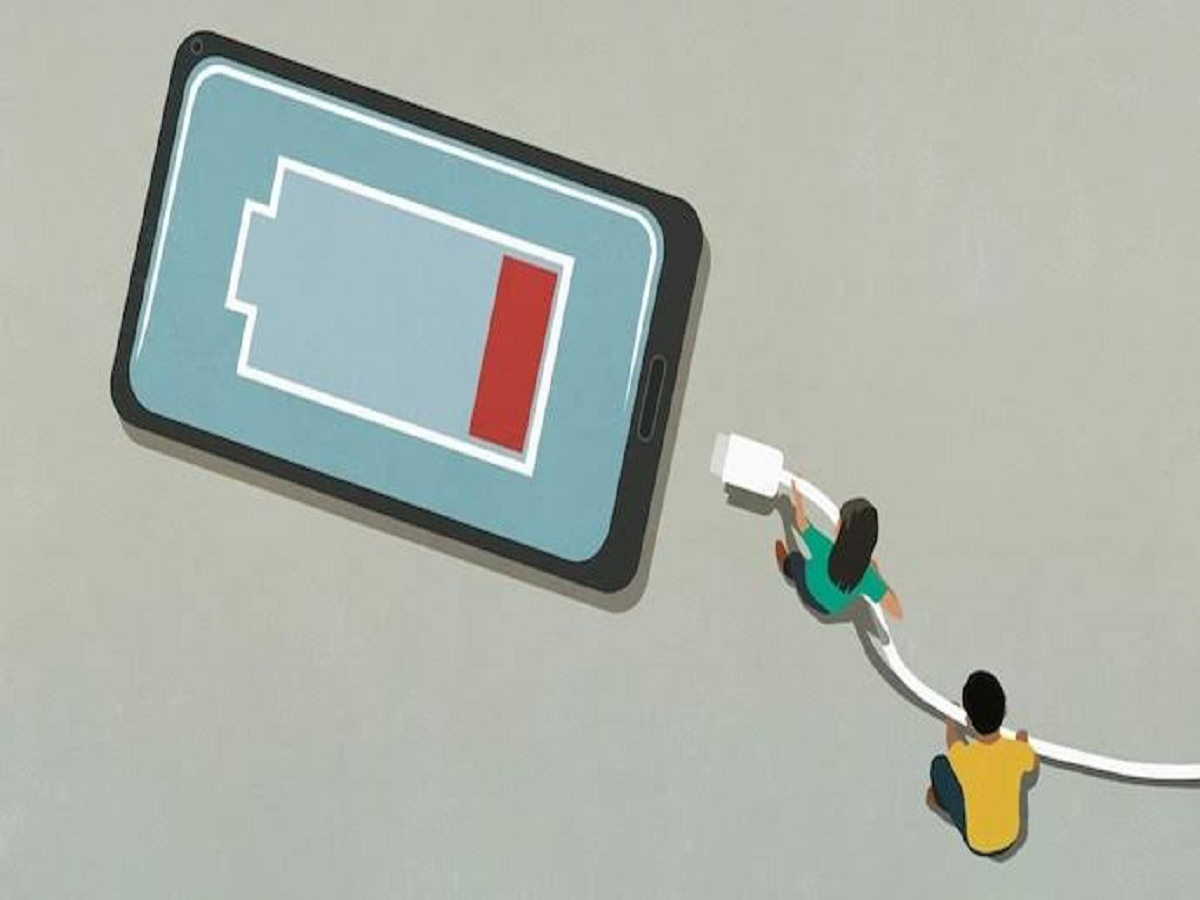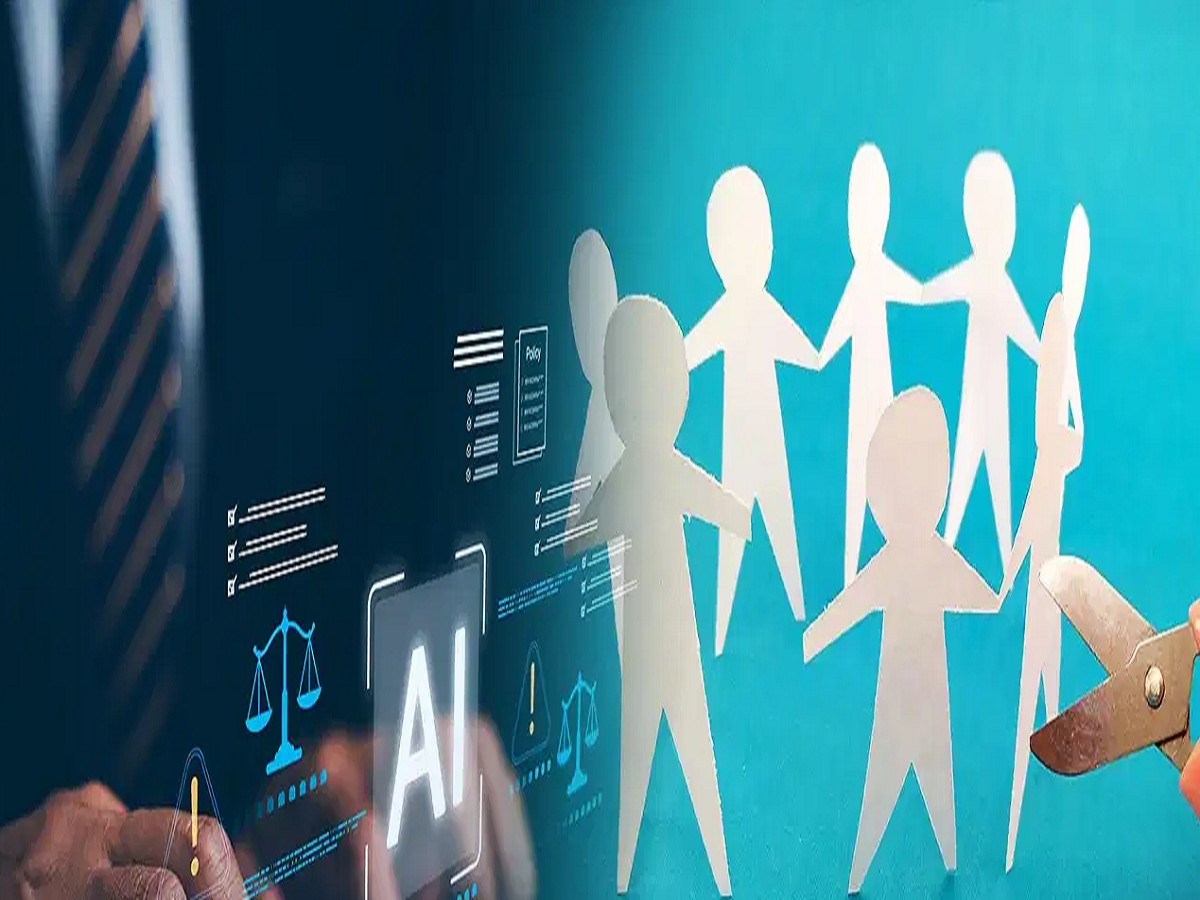
Artificial intelligence is rapidly changing workplaces around the world, but does that necessarily mean millions of people will lose their jobs? A major review of research from across the globe suggests the answer may be far more complicated than a simple “yes” or “no.”
As companies increasingly use AI to automate routine tasks, concerns about job security have grown. Some technology leaders have warned that AI could eventually replace a large number of white-collar workers, particularly those in entry-level positions. Economists, however, argue that the impact of AI on employment cannot be measured simply by counting how many tasks a machine can perform.
74 studies show no clear answer
Researchers at the London School of Economics reviewed 74 studies examining the relationship between artificial intelligence and employment.
The findings revealed an extremely wide range of estimates. Depending on the study, the projected impact of AI on employment varied from a decline of around 20% to an increase of up to 25%.
That enormous gap highlights one important point: there is still no reliable single figure for how many jobs AI will eventually eliminate or create.
Predictions about technology-driven mass unemployment have been made repeatedly over the years. Many of them, however, have failed to match what actually happened in labour markets.
AI may change jobs rather than eliminate them
One of the most important arguments from economists is that a job is rarely made up of just one task.
Consider the role of a business consultant. AI might analyse large amounts of data, prepare reports, create presentations and identify trends. But the consultant may still need to speak with clients, understand their concerns, make strategic decisions and help implement those recommendations.
In other words, AI could automate a significant portion of someone's work without necessarily eliminating the entire position.
This distinction between tasks and jobs is crucial when assessing the future impact of AI.
Big predictions about job losses have often been wrong
Warnings about technology destroying huge numbers of jobs are not new.
A widely discussed study published in 2013 suggested that almost half of US jobs could potentially be at risk from computerisation within a decade. Yet the labour market did not experience the massive employment collapse that such predictions appeared to imply.
Economists, including Nobel Prize winner Christopher Pissarides, have repeatedly pointed out that historical predictions of technology causing widespread permanent unemployment have often failed to materialise.
This does not mean AI will have no negative impact. Instead, it suggests that technological change can produce a more complicated combination of job displacement, job transformation and new employment opportunities.
Are young workers more vulnerable?
While there is no clear evidence of widespread AI-driven unemployment yet, some areas of the labour market are attracting greater attention.
Entry-level hiring in technology-related fields has slowed in several markets. One possible explanation is that AI tools allow experienced employees to handle tasks that were traditionally assigned to junior workers.
For example, an experienced employee equipped with AI could potentially complete research, documentation or basic analysis much faster than before.
However, economists caution against attributing every change in hiring directly to AI. Economic conditions, company restructuring and other technological developments can also influence employment.
AI could create entirely new opportunities
The employment story surrounding AI is not limited to job losses.
As AI adoption expands, new industries and supporting services are likely to grow. Data centres require engineers, technicians and infrastructure specialists. Companies need professionals who can build, manage and oversee AI systems.
AI could also make certain services more affordable. If businesses can reduce the cost of providing legal, financial or consulting services, more people and smaller businesses may be able to access them. That increased demand could create additional opportunities for professionals.
Higher productivity could also boost economic activity, potentially increasing demand for workers in areas such as healthcare, education, entertainment and other consumer services.
The bigger concern could be inequality
The most important question may therefore not be simply, “How many jobs will AI destroy?”
A more important question is: “Who will benefit from the productivity gains created by AI?”
Workers with specialised skills may become significantly more productive and command higher salaries. At the same time, people performing repetitive or routine tasks could face greater competition from AI-powered systems.
If the benefits of AI are concentrated among highly skilled workers and businesses, the technology could increase the gap between higher- and lower-income groups.
The future may depend on how AI is managed
The evidence from dozens of studies suggests that predicting the exact number of jobs AI will eliminate is extremely difficult.
AI will almost certainly change the way people work. Some tasks will disappear, others will become easier, and completely new roles may emerge.
The challenge for governments, businesses and educational institutions will be helping workers adapt to this transition. Training, reskilling and policies that ensure the economic benefits of higher productivity are shared more widely could become just as important as the technology itself.
Rather than viewing AI simply as a machine that replaces humans, the emerging picture is of a technology that could reshape entire occupations. The biggest impact may not be a world without jobs, but a world where the skills required to perform those jobs look very different.