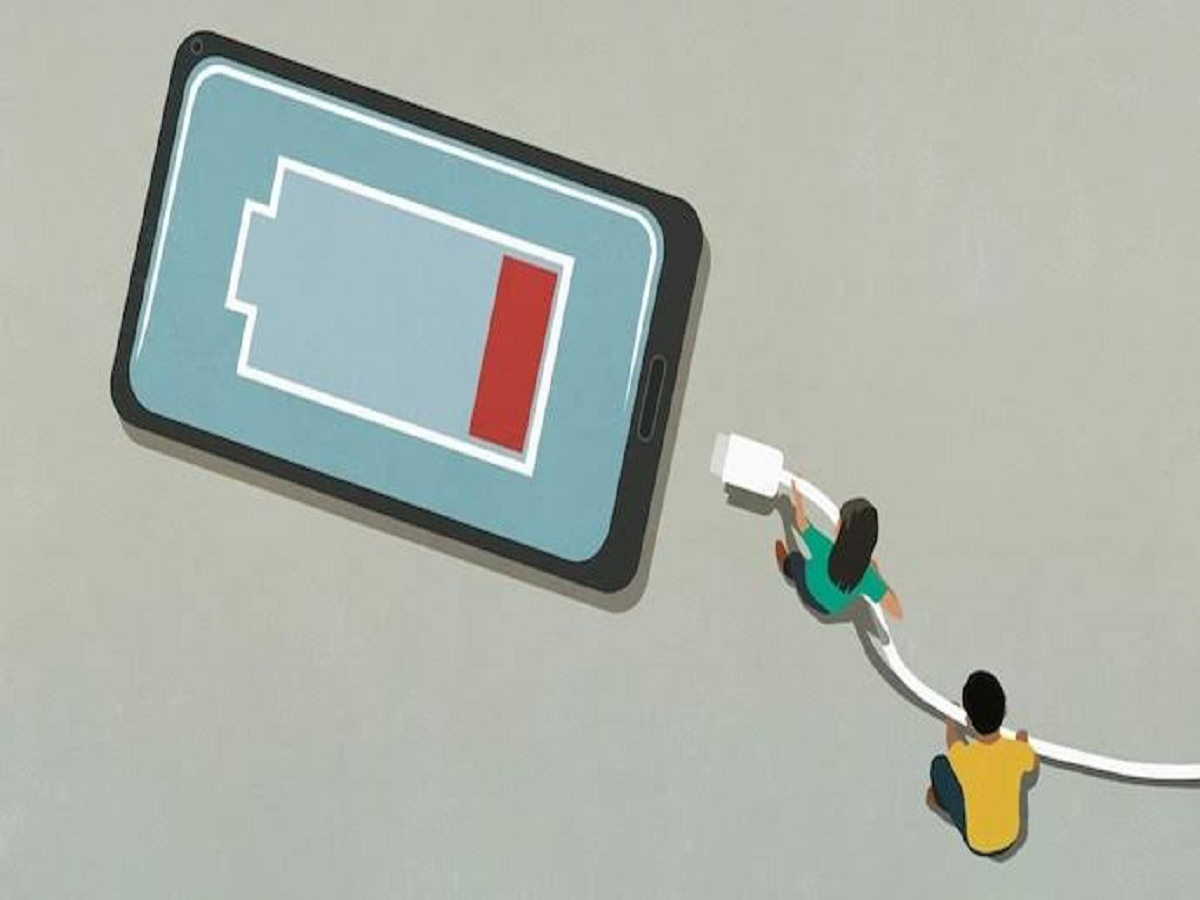
Have you ever plugged your phone into a charger and noticed that it becomes noticeably warm within minutes?
It can be especially surprising with modern fast chargers. A phone that was sitting quietly on a table can suddenly feel hot while its battery percentage climbs rapidly.
Some warmth is normal. But why does it happen, and when should you actually be concerned?
The answer lies in how electricity is converted, stored and managed inside your smartphone.
Charging is not 100% efficient
When electricity enters your phone, not all of that energy is converted directly into stored battery energy.
Some energy is lost as heat during the charging process.
The phone's charging circuitry regulates the incoming power and converts it into a form the battery can safely use. The battery itself also generates some heat as it stores electrical energy.
That is why charging almost always produces at least a small amount of warmth.
Fast charging creates another challenge
Modern smartphones can accept significantly more power than older devices.
The advantage is obvious: you can add a large amount of battery capacity in a relatively short period.
But moving more electrical energy through the charging system can generate more heat.
This is why manufacturers use sophisticated charging controllers, temperature sensors and software algorithms to constantly adjust charging speeds.
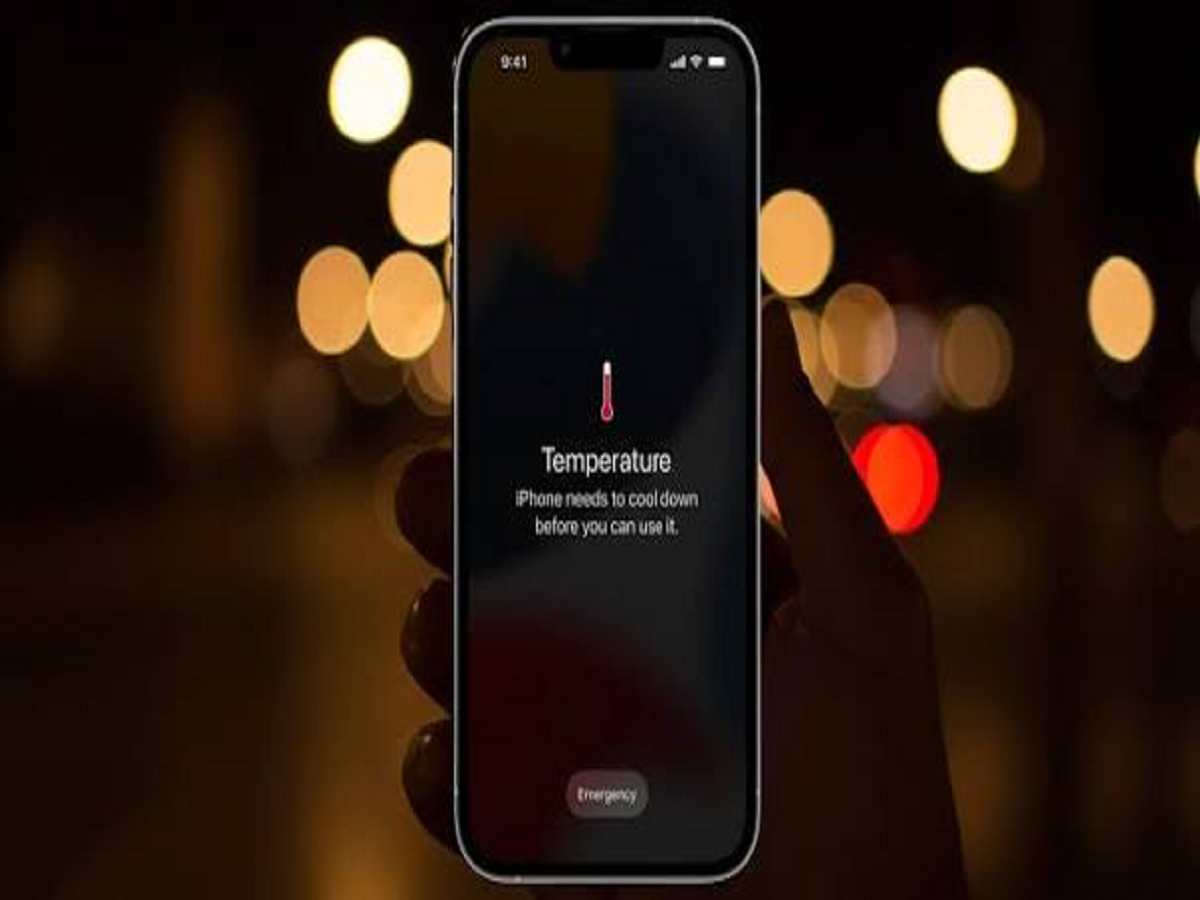
If the phone becomes too warm, the charging system can reduce the amount of power being delivered.
Why your phone gets hotter at certain times
You may notice that your phone stays relatively cool during the beginning of charging but becomes warmer during heavy use.
That's because charging isn't the only thing generating heat.
If you are simultaneously:
-
Playing a graphics-intensive game
-
Recording high-resolution video
-
Using GPS navigation
-
Running multiple demanding apps
-
Using a mobile hotspot
the processor and other components are already working hard.
Add charging on top of that, and the total heat generated can increase considerably.
Your phone may deliberately slow down charging
If the temperature rises too much, modern smartphones can automatically reduce charging power.
This may make you wonder why a charger that normally charges your phone quickly suddenly appears much slower.
It isn't necessarily a problem with the charger.
The phone may be protecting the battery and internal components by temporarily reducing the charging rate.
Heat is one of the battery's biggest enemies
Lithium-ion batteries naturally lose capacity over time.
Temperature can accelerate that degradation.
Repeated exposure to excessive heat can affect the battery's long-term ability to hold a charge.
This is one reason smartphone manufacturers devote significant engineering effort to thermal management.
The goal isn't simply to charge a battery quickly. It is to charge it quickly without creating excessive heat.
Should you remove your phone case while charging?
Not necessarily.
A normal phone case generally doesn't cause a problem.
However, if your device becomes unusually hot while charging, removing a thick case can sometimes help heat escape more easily.
More importantly, avoid charging your phone under pillows, blankets or other materials that trap heat.
Keeping the phone on a hard, open surface allows better heat dissipation.
Why charging overnight isn't as scary as it used to be
Modern smartphones have sophisticated battery-management systems.
Once the battery reaches a high charge level, the phone can reduce or stop the flow of power into the battery and use various charging-management strategies.
Some phones also offer adaptive or optimised charging features designed to reduce the amount of time the battery spends sitting at a very high charge level.
Still, keeping the device cool remains important.
When should you worry?
Warmth during charging is generally expected.
But unusually high temperatures, repeated charging interruptions, swelling, a damaged battery or a device that becomes extremely hot to touch should not be ignored.
If a phone or battery appears physically damaged or swollen, stop using it and have it inspected by an authorised service professional.
The surprising part about smartphone charging
The next time your phone becomes warm while charging, remember that the heat isn't simply "coming from the battery."
It is the result of several systems working together: power conversion, battery chemistry, processors, charging circuitry and thermal management.
As charging speeds continue to increase, smartphone manufacturers will have to solve an increasingly difficult engineering puzzle: how to put more energy into a tiny battery faster without turning the phone into a pocket heater.
That may be one of the most important — and least visible — battles in the next generation of smartphones.