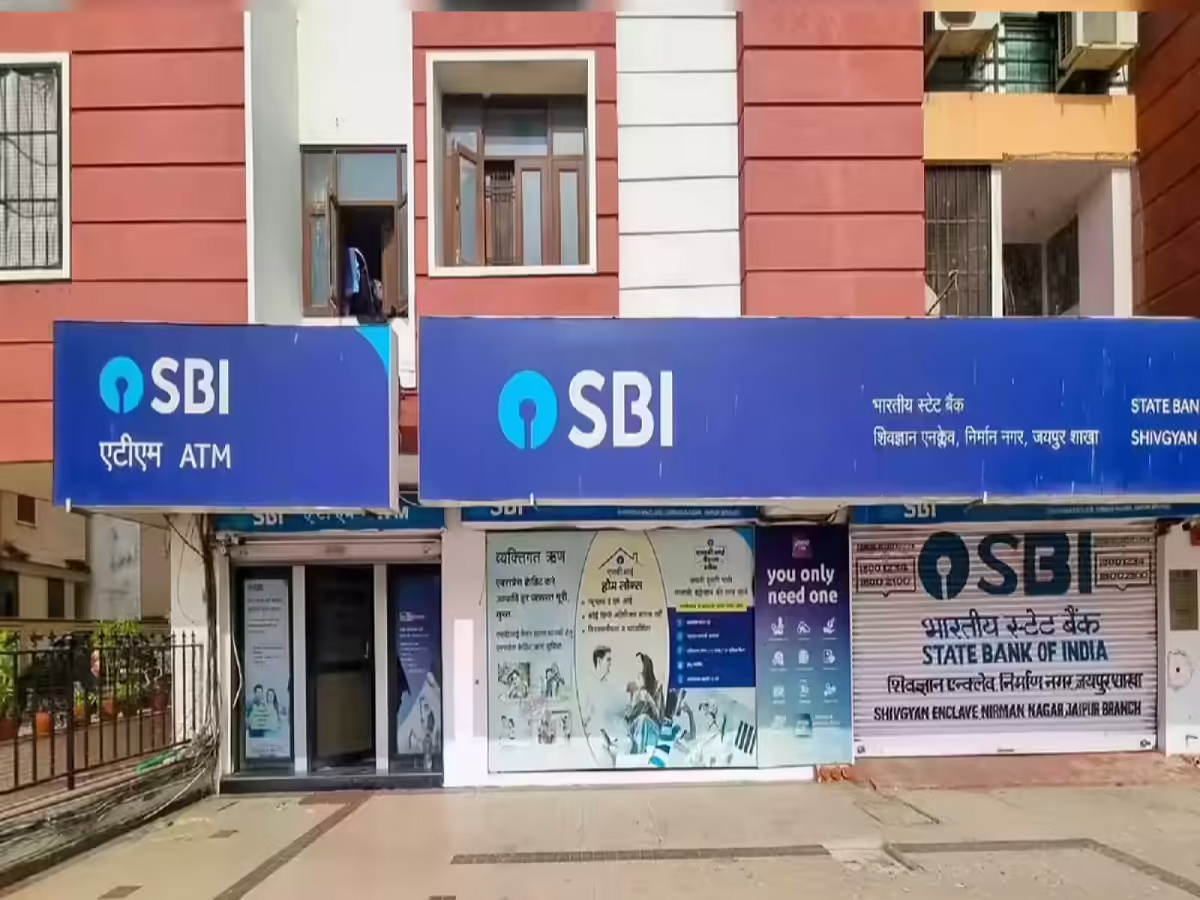
In this era of digital revolution, our smartphones have become our entire world. Everything from banking to shopping is available at a click. But amidst this convenience, fraudsters have discovered a new and dangerous method called the SBI Rewards Points Scam. This scam, targeting millions of State Bank of India customers, is so vicious that a small mistake could deplete your entire bank account.
How does this reward point’s trap work?
This scam begins with an SMS or WhatsApp message. It claims that thousands of reward points have been credited to your account and must be redeemed immediately, or they will expire. The message includes a link that looks exactly like a bank website. Once you click the link and share your banking details or OTP, the scammers gain access to your account.
An easy way to spot a fake message
Caution is best. To assess any suspicious messages, consider the following:
- Language and spelling: Fake messages often contain spelling errors or grammatical errors. Sometimes, the bank's name is also misspelled.
- Strange links: The bank never sends links via SMS that ask for your personal information. The official website always starts with 'https' and has a clear domain name (such as sbi.co.in ).
- Haste and fear: These messages scare you, saying, "Act now or you'll lose your points." Avoid making such hasty decisions.
Avoid these mistakes and stay safe
Never click on an unknown link, no matter how tempting it may seem. Never share your OTP, ATM PIN, CVV, or UPI PIN with anyone. It's also important to note that according to Telecom Regulatory Authority of India (TRAI) regulations, 1600-series numbers are allocated for banking and government institutions. If you receive a call from a number starting with 1600, it's more likely to be genuine. In contrast, it's wise to be suspicious of bank-related calls or messages from a simple 10-digit mobile number.
What to do if you get scammed?
If you accidentally clicked on a link or shared your information, don't panic. First, call the National Cyber Crime Helpline number 1930. You can also file a complaint on the official portal cybercrime.gov.in . The sooner you report, the greater your chances of getting your money back.