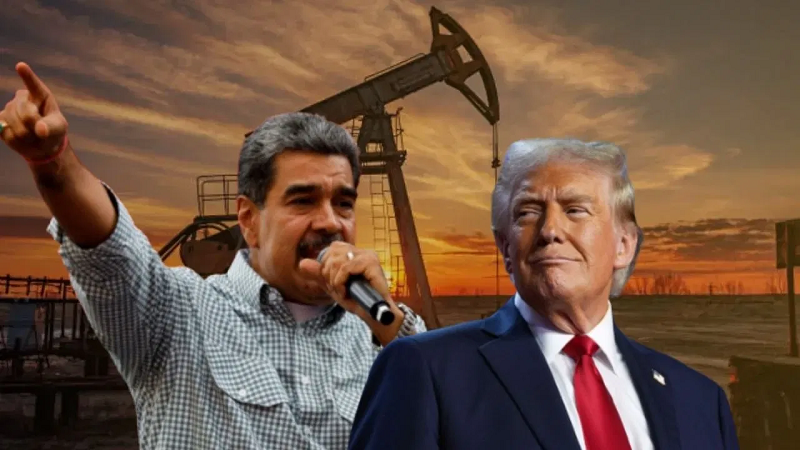
As the sun rises over a city shaken by midnight airstrikes, the contrast between Venezuela’s geological wealth and its humanitarian reality has never been more stark. Following the U.S. military operation in the capital early Saturday morning, the nation faces an existential crisis that many argue was decades in the making.
A Fortune in the Ground, Poverty on the Surface
Venezuela sits atop the world’s largest proven oil reserves—estimated at 303 billion barrels. To put that in perspective:
-
Venezuela: 303 billion barrels
-
Saudi Arabia: 267 billion barrels
-
United States: 55 billion barrels (over 5x less than Venezuela)
Despite owning what should be the world’s most powerful "economic engine," Venezuela’s revenue is a fraction of its peers. In 2023, while Saudi Arabia generated over $181 billion in oil exports, Venezuela struggled to reach $4.05 billion.
The Challenges: Geography and "Heavy" Hurdles
The reason Venezuela remains "resource poor" is not just political; it is physical. Most of its wealth is located in the Orinoco Belt, which contains "extra-heavy" crude oil.
-
Refining Complexity: Unlike the "light" crude found in the Middle East, Venezuelan oil is thick and viscous. Extracting it requires specialized, expensive technology to heat and move the oil.
-
Sulfur Content: The high sulfur levels require advanced refining processes to meet international standards. This means Venezuelan oil often sells at a significant discount on the global market because it costs more to process.
The Breakdown of an Industrial Giant
Geography alone didn't break Venezuela; mismanagement did. The state-owned oil company, PDVSA, has suffered from years of underinvestment, corruption, and the flight of technical talent.
"It is a tragedy of infrastructure," says one regional analyst. "The machinery is obsolete, the ports are crumbling, and international sanctions have effectively locked the country out of the modern financial system."
A Nation at a Breaking Point
With the U.S. now engaging in direct military action and President Trump citing "narco-terrorism" as the catalyst, Venezuela’s oil is no longer just a resource—it is a geopolitical target. While the nation’s "black gold" was once seen as a ticket to prosperity, today it serves as a reminder of how quickly wealth can turn into a curse when met with systemic mismanagement and international isolation.