TECH
Smartphone Batteries Could Last Much Longer: How Silicon-Carbon Technology Is Changing the Future of Phones
Smartphones are becoming faster, cameras are capturing more detailed images and artificial intelligence is introducing new features every year. However, one problem continues to frustrate users: battery life. Even premium smartphones can struggle to last an entire day when used for gaming, video streaming, navigation and other demanding activities.
Now, a battery technology known as silicon-carbon is gaining attention in the smartphone industry. It allows manufacturers to increase battery capacity without necessarily making phones significantly thicker or heavier. As more brands explore this approach, it could change how people think about smartphone battery life.
What Is Silicon-Carbon Battery Technology?
Most conventional smartphone batteries use graphite as the primary material in their anodes. Silicon-carbon batteries incorporate silicon into a carbon-based structure to improve the amount of energy the battery can store.
Silicon can theoretically store considerably more lithium than graphite. This makes it attractive for manufacturers looking to fit larger-capacity batteries into compact devices.
However, silicon expands significantly during charging and discharging. This expansion can damage the battery structure over time, making stability and durability important engineering challenges. Combining silicon with carbon helps manufacturers manage some of these issues.
Why Are Smartphone Companies Interested in This Technology?
The biggest attraction is higher energy density, which means storing more energy within a given amount of space or weight.
For smartphone manufacturers, this can create several advantages.
1. Bigger batteries in slimmer phones
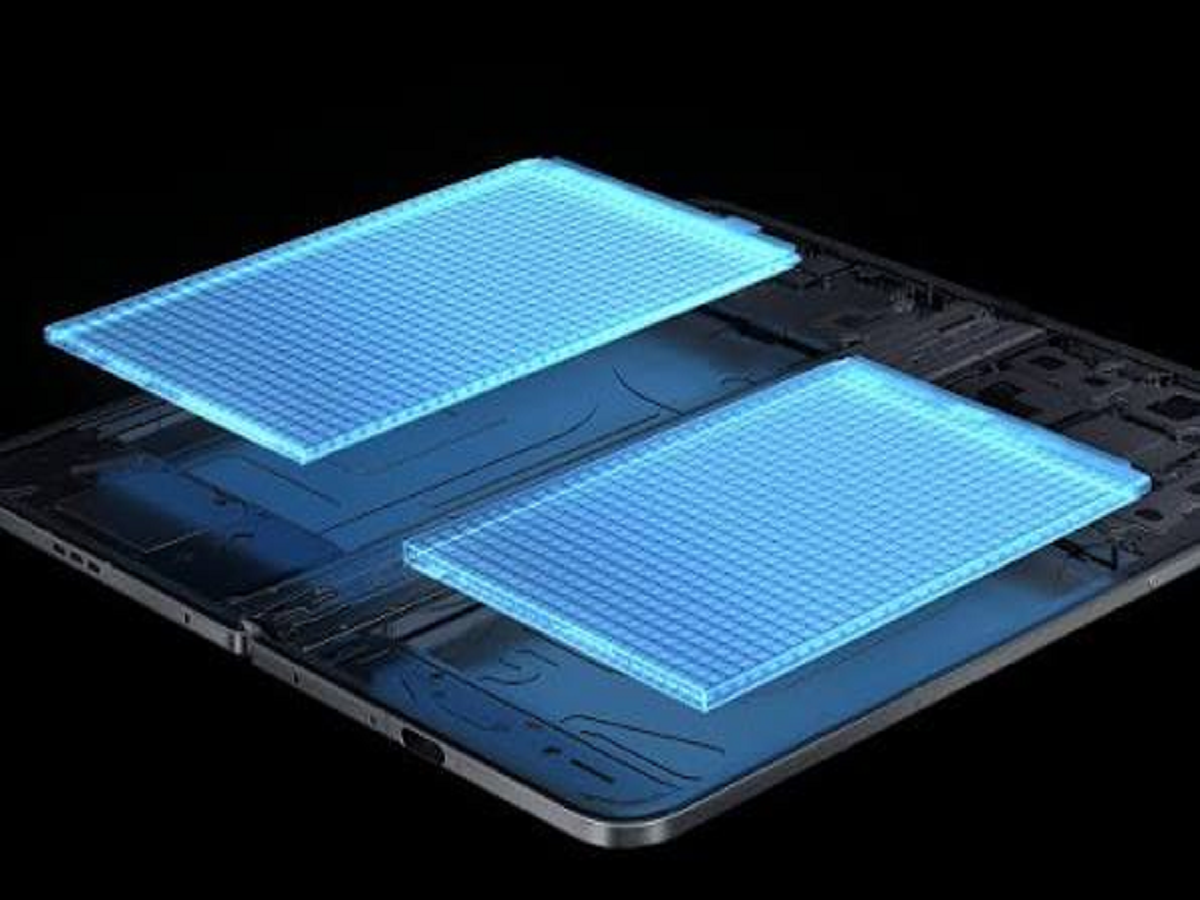
Manufacturers may be able to fit higher-capacity batteries into devices without increasing their dimensions substantially. This is particularly useful for thin smartphones, where internal space is limited.
2. Longer battery life
A phone with a larger battery may last longer between charges, depending on its processor, display, software and usage patterns. People who regularly stream videos, use navigation or play games could benefit from additional capacity.
3. More freedom for smartphone design
Battery improvements can give manufacturers greater flexibility when designing foldable phones, compact devices and premium handsets. The extra capacity can also help compensate for the power demands of advanced displays and AI features.
4. Potential improvements in charging performance
Some battery designs using silicon-based materials may support fast charging, but charging speed depends on the complete battery system, charging circuitry and thermal management. Silicon-carbon technology does not automatically guarantee faster charging.
Can Silicon-Carbon Batteries Solve the Battery Problem Completely?
Not yet. Although the technology offers important advantages, it also comes with challenges.
Silicon expansion can contribute to degradation over repeated charging cycles. Manufacturers must balance energy density, battery lifespan, safety and manufacturing cost.
Battery performance also depends on factors beyond the chemistry itself. A phone with a highly power-hungry processor or display may still consume energy quickly, even if it has a larger battery.
Temperature is another important factor. Excessive heat can affect battery health and charging performance, regardless of the technology used.
How Is This Different From a Traditional Lithium-Ion Battery?
Silicon-carbon batteries are still part of the broader lithium-ion battery family. The key difference lies in the materials used in the anode.
Traditional smartphone batteries commonly use graphite anodes, while silicon-carbon designs incorporate silicon to increase energy-storage potential.
This means silicon-carbon is not an entirely unrelated replacement for lithium-ion technology. Instead, it represents an evolution in how lithium-ion batteries can be designed to improve energy density.
Will Future Smartphones Last Two Days on a Single Charge?
That possibility depends on how quickly battery technology advances and how manufacturers choose to use the extra capacity.
Some smartphones already offer batteries large enough to support extended use, particularly when paired with efficient processors and software. Silicon-carbon technology could make this more achievable in devices that prioritise slim designs.
However, users should not assume that every phone using this technology will deliver two-day battery life. Real-world performance depends on screen brightness, mobile network reception, gaming,