TECH
'Sir, just tell me one OTP...' Just don't fall into this trap, otherwise your entire life's earnings will disappear!
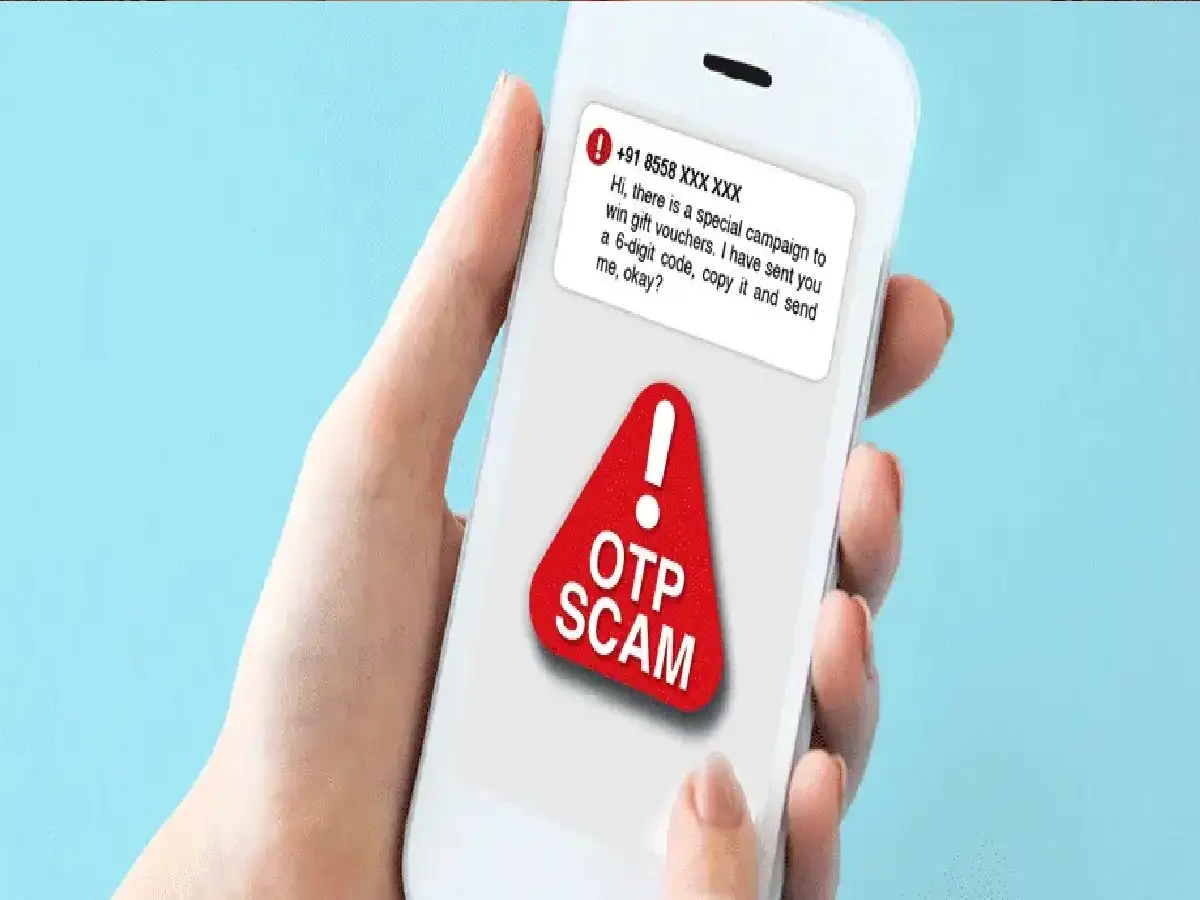
In the modern digital age, as banking and online services have become more convenient, cybercriminals have become more cunning. These days, the easiest and most popular method of fraud is the "OTP" scam (One Time Password Scam). Fraudsters use various excuses to obtain your OTP and, in a flash, empty your bank account.
Let us know what OTP scam is, how fraudsters trap people and what things you should keep in mind to avoid it.
1. What is an OTP scam and how does it happen?
An OTP (One Time Password) is a security code that only you receive to confirm that you are the one making the transaction. Scammers use a variety of tactics to trick people:
Impersonating a fake bank official: Scammers call you and introduce themselves as a bank employee, customer care executive or credit card representative.
Fear of account closure: They say that your SIM card, PAN card, bank account or credit card is going to be blocked and it is necessary to provide OTP to keep it active.
Pretending to send a message by mistake: Many times, fraudsters send messages saying, "An OTP has been sent to your number by mistake, please let me know."
Lure of prize or lottery: You are tricked into believing that you have won a lottery, cashback or gift, which requires an OTP to claim.
2. How to avoid OTP scams? (Key preventative measures)
The first rule of thumb for avoiding OTP scams is caution and vigilance. If you keep the following in mind, your account will always be safe:
Never share your OTP with anyone : Even if the person on the other end claims to be a bank manager, a police officer, or a customer care representative, never share your OTP.
Banks never ask for OTP: Official banks, wallet apps or any government institutions never ask you for OTP or confidential details over phone or message.
Read the message carefully: Whenever you receive an OTP on your phone, first carefully read the text of the message. It clearly states the purpose of the OTP (e.g., deducting money, creating a new password, etc.).
Don't click on unknown links: Don't click on unknown links received via SMS or WhatsApp. These links often lead to fake websites that can steal access to your phone.
Don't panic : Scammers often scare you by saying, "Your account will be closed in 5 minutes." Don't panic, hang up, and contact your bank's nearest branch or official helpline.
Use two-factor authentication (2FA): Always keep two-factor authentication on your social media, email, and UPI apps.
3. What to do immediately if you fall victim to a scam?
If you accidentally share your OTP with someone or have money deducted from your account, take these steps without delay:
Inform the bank immediately: First of all, call your bank's helpline and get your card, UPI and net banking blocked immediately.
File a complaint on the Cyber Helpline: Immediately call 1930 (National Cyber Crime Helpline).
Register a complaint online: Visit the official cybercrime portal of the Government of India, cybercrime.gov.in, and register your complaint.
PC: HDB Financial service