AUTO
Petrol and Diesel Cars No Longer Enough! Automakers Shift Gears as CNG, Hybrid and EV Demand Rises in India
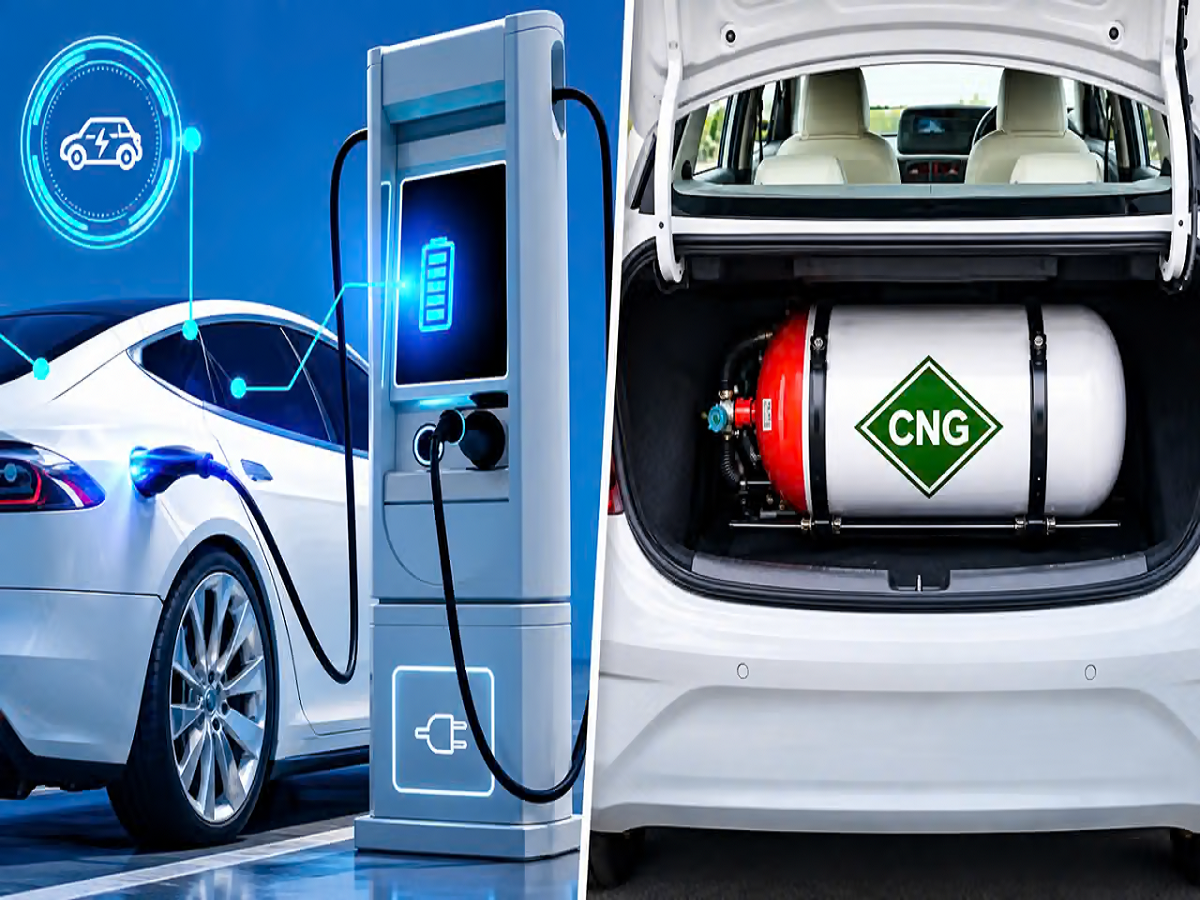
India's automobile market is undergoing a major transformation. Until a few years ago, most car buyers primarily chose between petrol and diesel vehicles. Today, however, CNG, hybrid and electric cars are becoming increasingly important alternatives, giving customers more options than ever before.
Rising fuel expenses, changing customer preferences and stricter emission standards are encouraging automobile manufacturers to rethink their strategies. Instead of relying on just one or two engine technologies, companies are increasingly exploring multiple powertrain options to meet the diverse needs of Indian consumers.
Demand for Alternative Fuel Cars Is Increasing
The changing preferences of Indian car buyers are reflected in recent sales figures. According to the data cited from the Federation of Automobile Dealers Associations (FADA), petrol cars accounted for 41% of total car sales in September 2026, compared with 47% in September 2025.
Meanwhile, the combined share of CNG, hybrid and electric cars reportedly increased from 35% to 41% during the same period.
These figures highlight the growing interest in alternatives to conventional petrol and diesel vehicles. However, customer preferences continue to depend on factors such as purchase price, fuel availability, driving distance and maintenance expenses.
Automakers are therefore focusing not only on launching new models but also on offering the right engine options for different customer segments.
Renault Wants to Reach More Indian Car Buyers
Renault is among the international automakers looking to expand its presence in India by offering vehicles that better match local requirements.
Renault Group India CEO Stephane Deblaise has emphasised that launching a new model alone is not sufficient to attract a wider customer base. The availability of suitable powertrain options is equally important.
According to the report, limited engine choices affected sales opportunities for Renault's new Duster. The company now aims to expand its model and powertrain portfolio to cover approximately 80% of the Indian market in the coming years.
Its existing Kwid, Kiger and Triber models previously offered a combined market reach of around 30%, according to the report. Expanding the available choices could help Renault appeal to more customers with different budgets and driving requirements.
Why Customer Preferences Differ From City to City
India's automobile market is not uniform. Fuel preferences can vary significantly depending on local infrastructure, commuting patterns and the cost of operating a vehicle.
For example, CNG cars can be attractive in cities where refuelling stations are widely available and daily driving distances are substantial. Electric vehicles may suit customers with convenient charging facilities, while hybrids can appeal to those seeking better fuel efficiency without depending entirely on external charging.
The report notes that CNG models account for approximately 40% of car sales in Mumbai. In such markets, manufacturers without CNG options may miss a significant segment of potential buyers.
This is why automakers are increasingly recognising that a single engine technology may not be suitable for every region.
Stellantis and Volkswagen Explore New Technologies
Stellantis is also planning to broaden its product offerings in India. The company intends to explore petrol and diesel engines, hybrid technology and battery-electric powertrains across vehicle segments ranging from A to D.
According to Stellantis India CEO and Managing Director Shailesh Hazela, the company plans to use its global portfolio to introduce more choices for Indian customers.
The report states that Stellantis is preparing seven new models and five major updates, with the first launch expected in the second quarter of 2027.
Meanwhile, the Volkswagen Group, which includes brands such as Skoda and Volkswagen, is exploring CNG and flex-fuel technologies for the Indian market. These options could help the group respond to local fuel preferences and evolving emission requirements.
Mahindra and Toyota Expand Their Powertrain Strategies
Mahindra & Mahindra already offers petrol, diesel and electric SUVs. According to the report, the company has also entered the factory-fitted CNG segment with the XUV 3XO ZNG.
The manufacturer is exploring platforms that can accommodate different powertrain technologies, potentially allowing it to serve a wider range of customers without relying on a single fuel type.
Toyota is following a similarly flexible approach. Toyota executive Sabari Manohar has highlighted the differences in economic conditions, road infrastructure and geographical requirements across Indian states.
The company's strategy involves working with different technologies rather than assuming that one powertrain will suit every customer. CNG can be particularly relevant in locations where the refuelling infrastructure is well developed.
Toyota has also introduced automatic transmissions in its CNG offerings in response to customer feedback. The company has reportedly sold more than 300,000 hybrid vehicles, demonstrating its established presence in the hybrid segment.
Automatic CNG Cars Add Another Choice
CNG vehicles have traditionally appealed to buyers looking to reduce running costs. However, the availability of automatic transmissions adds another layer of convenience, particularly for people who regularly drive in congested urban traffic.
Automatic CNG cars can combine the potential running-cost advantages of CNG with easier driving in stop-and-go conditions. Their suitability still depends on the model's price, performance, fuel economy and the availability of CNG stations along regular routes.
Tata Motors and Maruti Suzuki have also helped expand India's multi-powertrain market by offering vehicles with different fuel and propulsion options.
As more manufacturers explore these technologies, consumers may have greater flexibility when selecting a car.
What Does This Shift Mean for Car Buyers?
The growing variety of powertrains means buyers will increasingly need to evaluate a car beyond its purchase price and brand name.
Here are some factors worth considering:
-
Petrol cars: May suit buyers with moderate driving requirements who prefer a familiar refuelling system.
-
Diesel cars: Can be worth evaluating for certain high-mileage or long-distance driving requirements, depending on the vehicle and ownership costs.
-
CNG cars: May offer lower running costs where CNG is readily available, although boot space and refuelling convenience can vary.
-
Hybrid cars: Combine an internal-combustion engine with electric assistance and can improve fuel efficiency, depending on the type of hybrid and driving conditions.
-
Electric cars: May suit urban commuters and other buyers with convenient charging access, particularly when daily running costs and home charging are favourable.
Before making a decision, buyers should compare the vehicle's on-road price, expected mileage, maintenance, fuel or electricity costs, resale prospects and the availability of service facilities.
The Future of India's Automobile Market
India's automobile industry is moving towards a more diverse powertrain market. Petrol and diesel vehicles will continue to serve many customers, while CNG, hybrid and electric technologies offer alternatives for different driving needs.
For manufacturers, the challenge is to balance affordability, regulatory requirements, technology investments and customer expectations. For buyers, the expanding range of options creates an opportunity to choose vehicles that better suit their budgets and lifestyles.
Going forward, competition in India's car market may depend not just on new models and attractive prices, but also on offering the right combination of technology, fuel efficiency, convenience and running costs.