AUTO
New Cars May Get Advanced Safety Technology: Government Plans Automatic Braking, Lane Alerts and Smarter Vehicle Systems
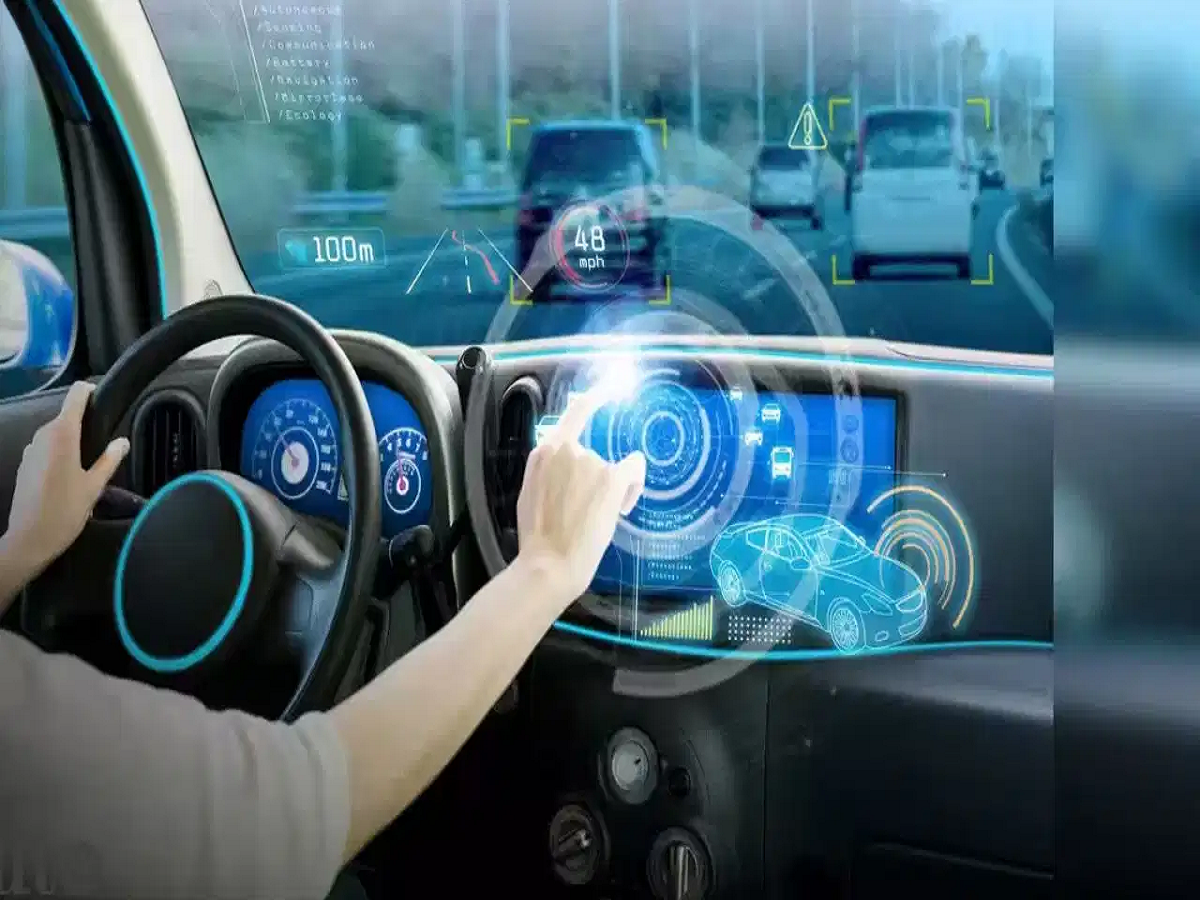
India could be moving towards a major upgrade in vehicle safety, with the government proposing new rules for advanced driver assistance systems (ADAS). These technologies are designed to help drivers identify potential hazards, avoid collisions and maintain better control of their vehicles.
The Ministry of Road Transport and Highways (MoRTH) has proposed introducing an Automatic Emergency Braking System (AEBS) in passenger cars in a phased manner. The proposed framework also covers steering and lane-management technologies, driver-alert systems and vehicle-to-vehicle communication.
However, these measures are still at the draft stage. The proposed dates and requirements may change before the rules are finalised.
What Is AEBS and How Does It Work?
The Automatic Emergency Braking System, or AEBS, is an advanced safety feature that can detect an imminent collision and automatically apply the brakes when the driver does not respond adequately.
Depending on the system, cameras, radar or other sensors monitor the road ahead and identify potential obstacles, including vehicles travelling in the same direction.
For example, if a car ahead suddenly slows down and the driver fails to react in time, AEBS may warn the driver and apply the brakes to help prevent or reduce the severity of a collision.
The technology is intended to provide an additional layer of protection, particularly in situations involving sudden braking or driver inattention. However, its effectiveness depends on the system's capabilities and the driving conditions. It cannot prevent every accident and does not replace attentive driving.
When Could AEBS Become Mandatory in India?
According to the proposed timeline in the report, the government intends to introduce the requirements gradually rather than applying them to every vehicle immediately.
The proposed schedule includes the following milestones:
-
October 1, 2028: AEBS-equipped M1 passenger cars and N1 light goods vehicles would be required to comply with the prescribed regulations.
-
October 1, 2030: AEBS is proposed to become mandatory for newly manufactured M1 category car models.
-
October 1, 2032: The requirement is proposed to extend to M1 category models that are already in production.
The M1 category generally covers passenger vehicles designed to carry up to eight passengers in addition to the driver, while N1 vehicles are light goods vehicles with a maximum mass not exceeding 3.5 tonnes.
These dates relate to the proposed framework and should not be treated as confirmed final implementation deadlines until the government issues the relevant final notification.
New Rules for Steering and Lane Safety
The proposed changes are not limited to automatic braking. The government is also considering additional standards for steering systems and technologies that help vehicles remain within their lanes.
These measures are intended to improve vehicle control and reduce accidents caused by unintended lane departures or loss of control.
Under the reported proposals, new steering-related standards could begin on October 1, 2027, subject to the applicable vehicle categories and exemptions.
Separate requirements are also being considered for vehicles equipped with autonomous steering and lane-management systems. Certain passenger vehicles, including taxis, could be required to have technologies that alert drivers when they show signs of drowsiness or distraction.
Such alerts can help drivers recognise when their attention is declining, although they cannot eliminate the risks associated with fatigue.
Trucks and Buses Could Get Additional Safety Features
The proposed framework also focuses on heavy vehicles, where accidents can have particularly serious consequences because of vehicle size and weight.
According to the report, AEBS could be introduced for new truck and bus models from January 2027, subject to the final rules.
Other technologies under consideration include:
-
Blind-spot information systems: Alert drivers to nearby vehicles or objects that may not be visible in their mirrors.
-
Driver drowsiness warnings: Help identify signs of fatigue and encourage drivers to take a break.
-
Lane-departure warnings: Alert drivers when a vehicle unintentionally moves out of its lane.
-
Electronic Stability Control (ESC): Helps maintain vehicle stability by selectively applying brakes and managing engine power when necessary.
New brake-related requirements for trucks are also proposed for October 1, 2027.
If implemented, these measures could strengthen safety standards for commercial vehicles and help reduce the risk of accidents involving trucks and buses.
Vehicles Could Communicate With Each Other Through V2V Technology
Another proposed development is Vehicle-to-Vehicle (V2V) communication, which allows vehicles equipped with compatible systems to exchange information.
This technology can communicate details such as vehicle speed, position and direction, depending on the system and communication standard used.
For example, if a vehicle ahead brakes suddenly or approaches a potentially dangerous situation, compatible vehicles may receive information that helps warn their drivers or support other safety systems.
The report states that the government is considering making V2V technology mandatory in new vehicles manufactured from October 1, 2028.
However, the effectiveness of this technology would depend on factors such as compatible equipment, communication infrastructure, system standards and the final regulatory requirements.
Will These Changes Make Driving Safer?
The proposed rules reflect a broader move towards technology-assisted road safety. Automatic braking, lane-departure warnings, driver-monitoring systems and electronic stability controls can help address some common causes of road accidents.
For car buyers, these developments could eventually mean wider access to safety technologies that are currently available only in selected models or variants.
For manufacturers, the proposals could require changes to vehicle design, testing, software and production processes. Depending on the final requirements, these changes may also influence vehicle prices.
Nevertheless, technology alone cannot eliminate road accidents. Safe driving practices, properly maintained vehicles, road infrastructure, enforcement of traffic rules and the use of seat belts remain essential.
What Happens Next?
The Ministry of Road Transport and Highways has released a draft of the proposed rules and invited public feedback for 30 days, according to the report.
After reviewing the suggestions, the ministry may revise the proposals before issuing the final notification. The exact scope, implementation dates and exemptions will depend on the final rules.
The bottom line: India is considering a significant expansion of vehicle safety technology, potentially covering automatic emergency braking, lane-management systems, driver alerts and vehicle communication. If the proposals are adopted, they could reshape safety requirements for passenger cars and commercial vehicles over the coming years. Until the final notification is issued, however, the proposed timelines should be treated as plans rather than confirmed mandates.